Springs · Kawartha Lakes
Garage Door Roller Replacement
Every morning the door announces itself: a rattle on the way up, a grinding squeal on the way down, loud enough that the neighbours know when you leave.
In plain words
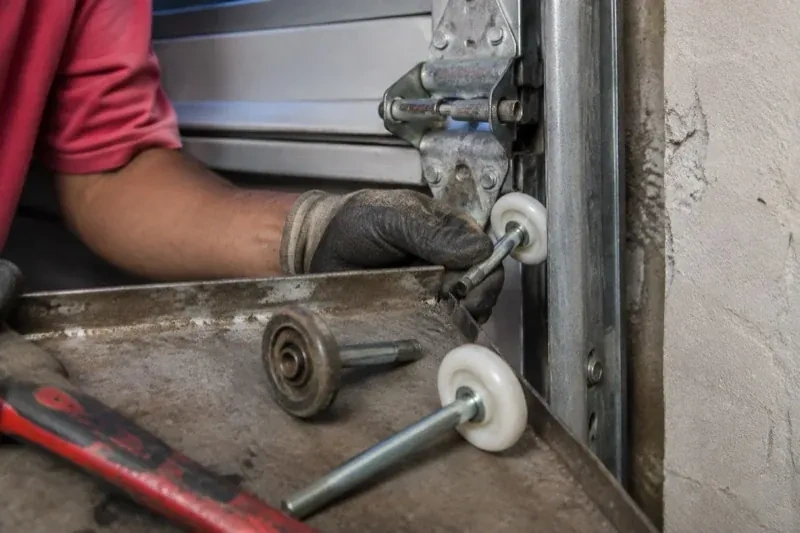
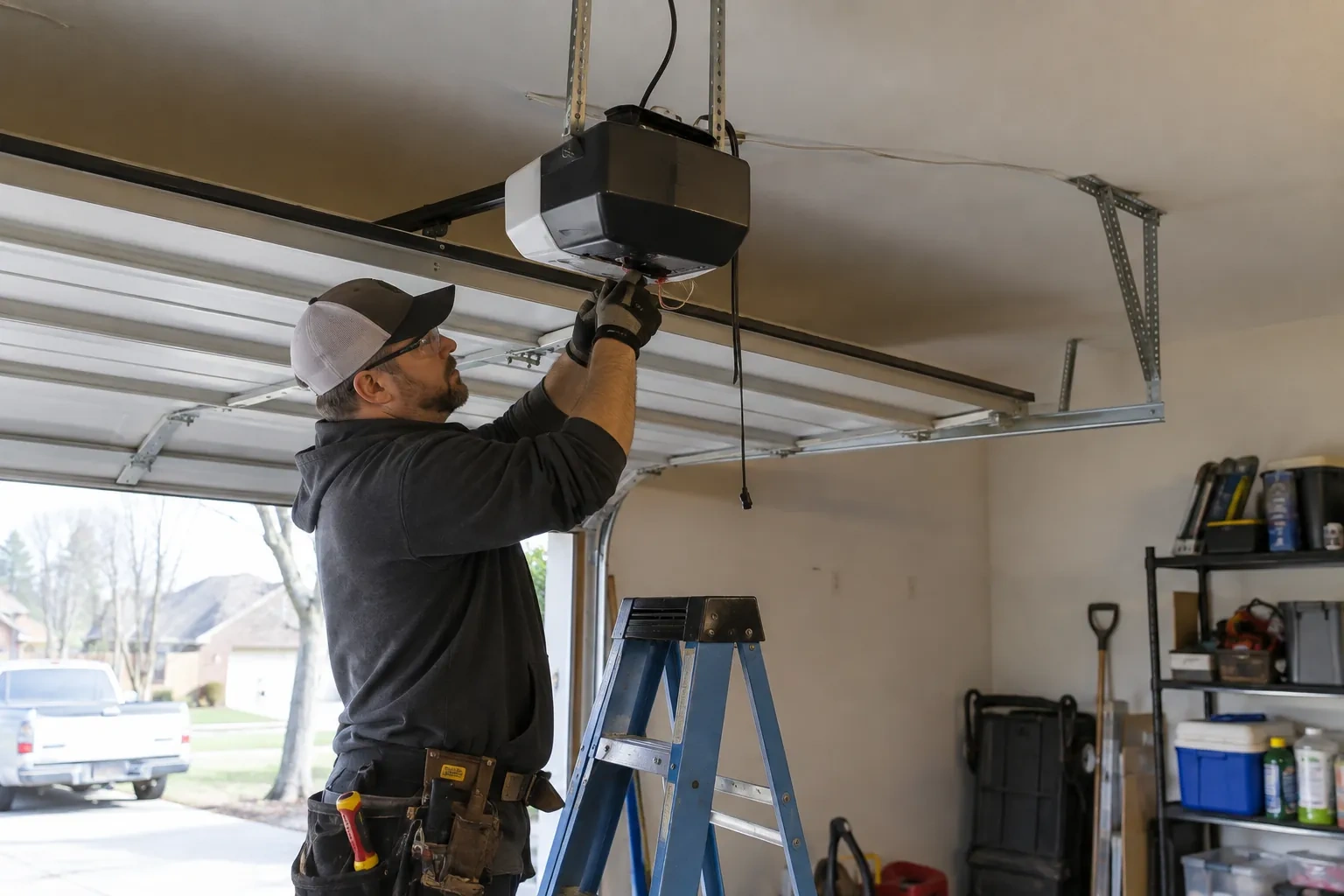
The visit starts with the door rather than the parts. A technician runs it on the opener and then by hand, listens for where the trouble is, examines every roller for wear and play, and confirms the door is balanced, because an unbalanced door chews through rollers. Then the door is clamped in position and the rollers are changed one at a time so the remaining wheels keep the sections aligned. Top fixtures are reset so the top section seals, the track is cleaned and squared, moving parts are lubricated, and the door is cycled and tested before the tools go back in the van.
How the visit goesA roller near the top corner is riding on the lip of the track rather than inside it, and the section above leans back a little more each week. The door still moves, but it looks one bump away from coming out altogether.
Garage Door Roller Replacement
How the visit goes
The hardware the rollers live in
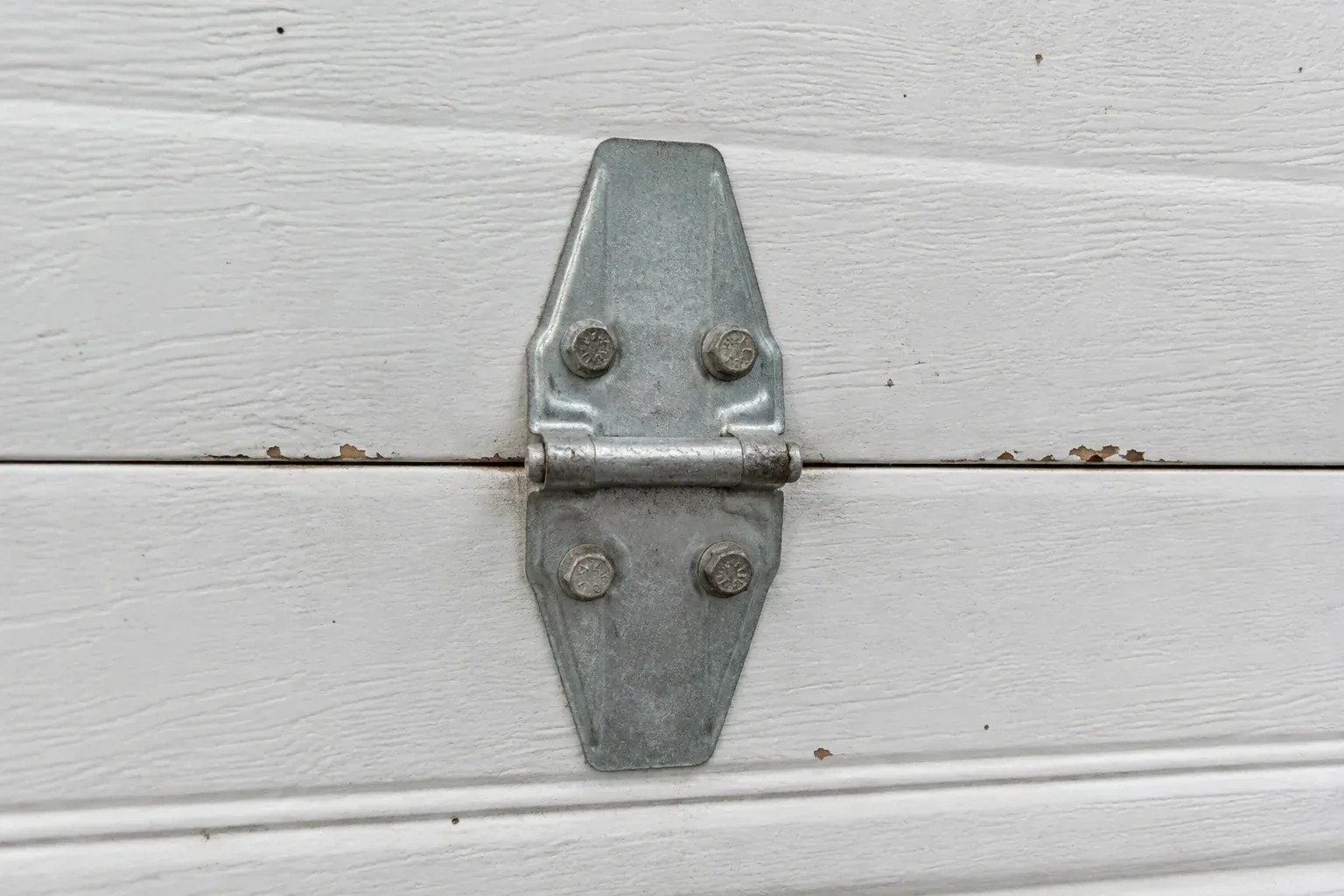
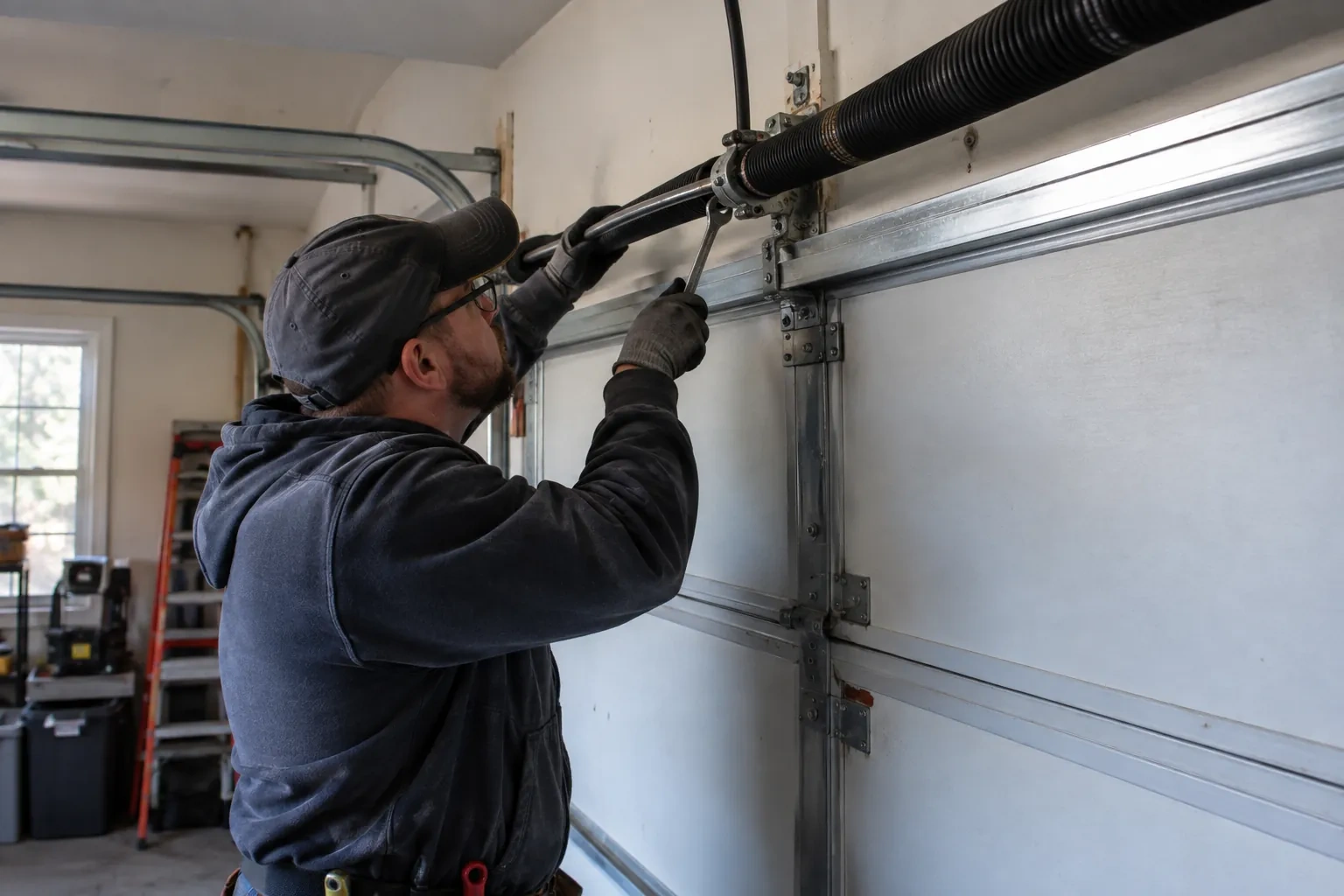
A roller is only as good as the bracket that holds it. The technician inspects every hinge for cracks at the knuckle, elongated holes and loose or missing fasteners, checks that the top fixtures still adjust and hold their setting, and looks over the bottom brackets for rust, deformation and the condition of the cable attachment. Jamb brackets and the flag brackets at the top of the vertical track are checked for movement. A door moves more than a thousand times a year and that vibration loosens bolts, so a hinge that has been working loose is often the reason a wheel wore crooked, and it is refastened or replaced as part of the same visit.
Running it in and testing
The opener is reconnected and the door is run through several full cycles while the technician watches each wheel stay seated in its track and listens for anything left over. Balance is rechecked with the opener released. Then the opener's settings are confirmed: the force limits, which may need reducing now that the door moves so freely, and the reversal, tested against a 1-1/2 inch block laid on the floor in the door's path exactly as the industry checklist describes. Only when the door travels smoothly, seals at the top and reverses on contact is the job called finished.
Planning the next set
New ball-bearing nylon rollers on a residential door typically give seven to ten years of ordinary use before they are due again, and sealed-bearing types often longer, while a door that cycles many times a day wears everything sooner. A sensible rule is to have the rollers looked at whenever the door is serviced and to replace them as a set when the springs are next changed, since both wear on a similar timeline and the door is already secured for the work. Industry guidance suggests a professional look at the whole door once a year, with rollers on the list.
Garage Door Roller Replacement
In the van
Replacement numbered hinges
Three-inch rollers for commercial track
Long-stem rollers for double hinges
1-1/2 inch reversal test block
Adjustable top fixtures
Garage Door Roller Replacement
What affects the quote
Residential or commercial track
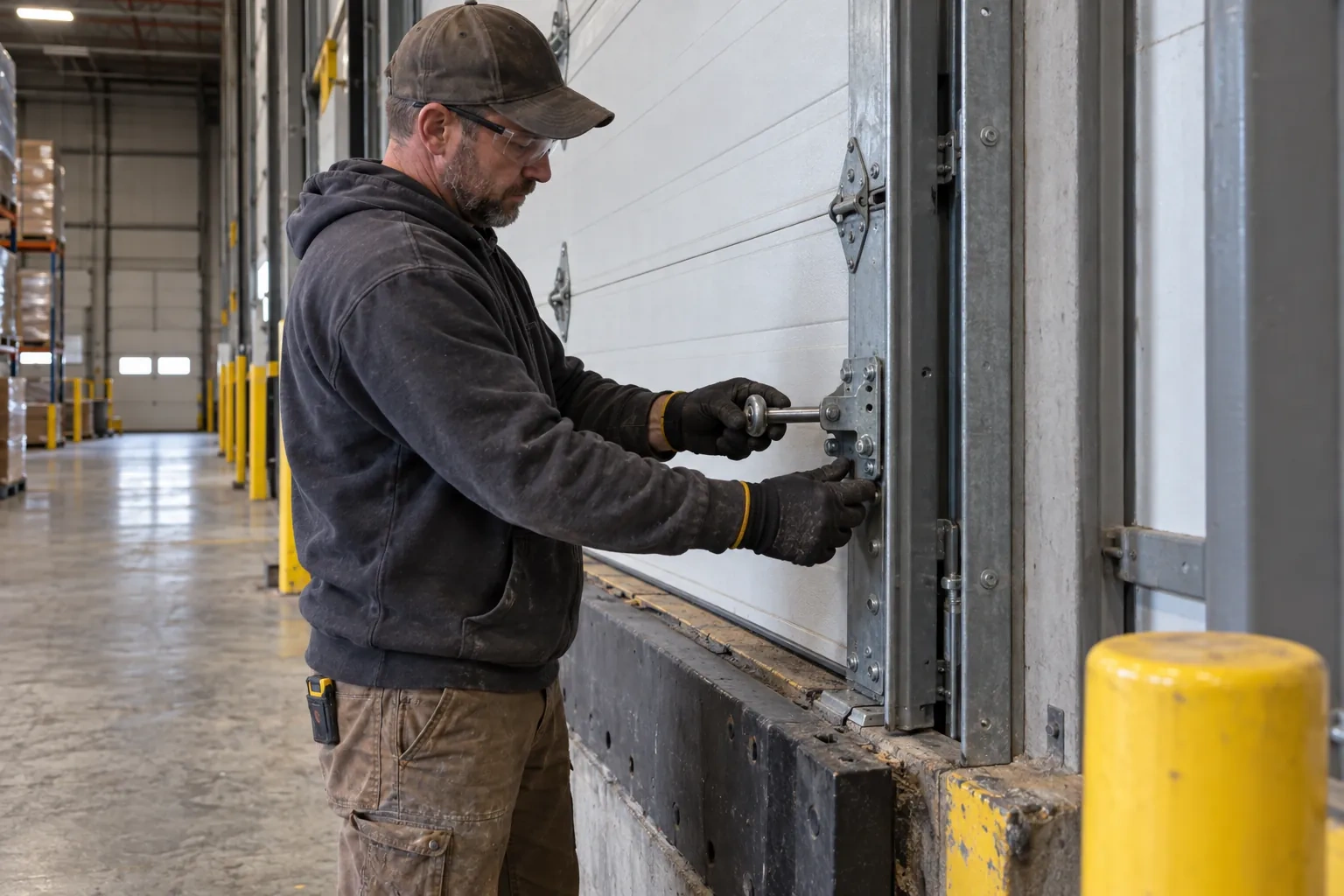
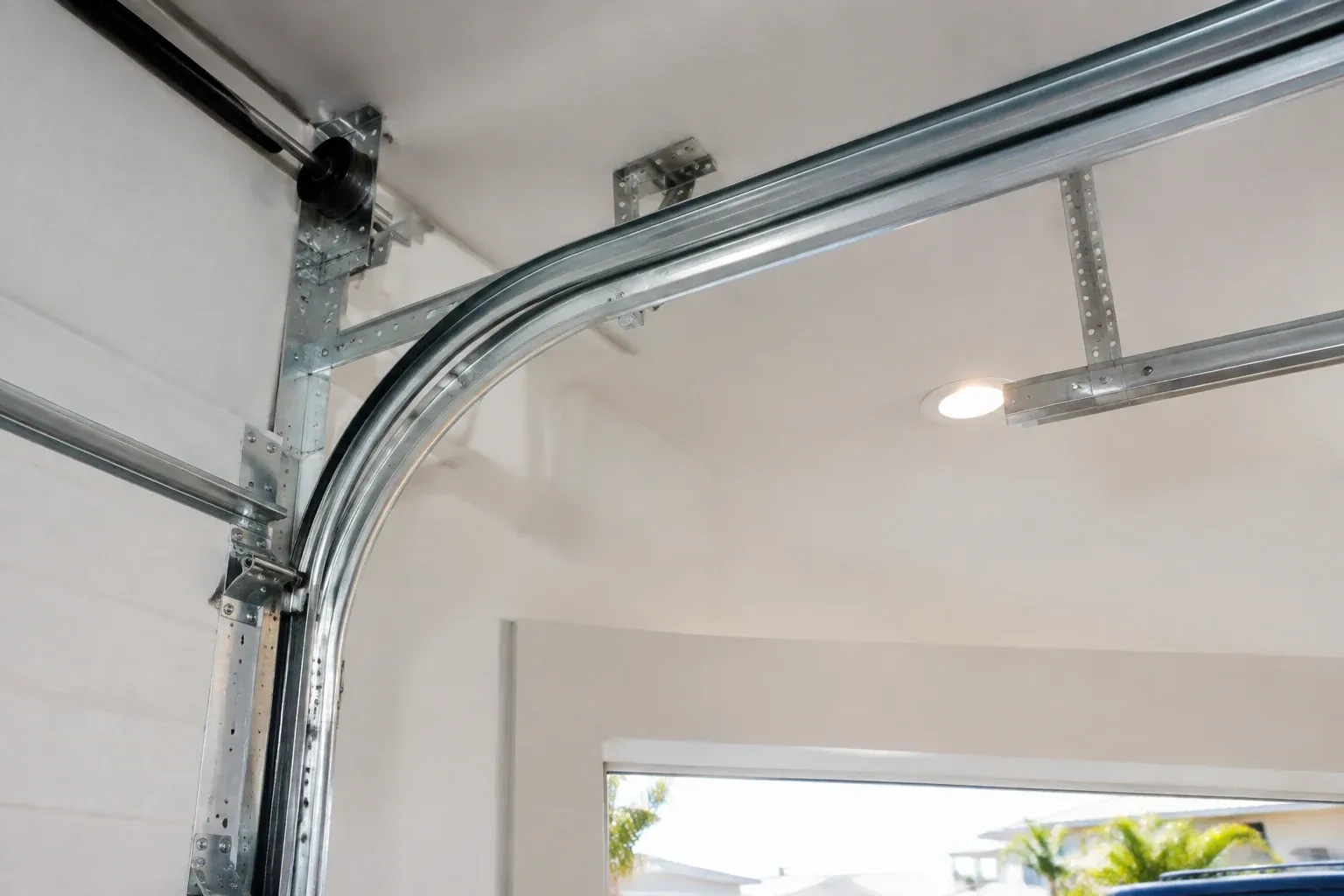
Three-inch commercial track takes larger, heavier rollers and usually a heavier door behind them, and both the parts and the method of securing the door differ from a residential job.
Opener adjustments afterwards
Resetting force limits and re-testing the reversal once the door moves freely is normally part of the job; reprogramming or repairs to the opener itself are quoted separately.
Roller type chosen
Plain steel, nylon with ten to thirteen bearings and sealed-bearing nylon sit at different points on the parts list. The technician explains what each offers for your door before you choose.
What to have ready
- Is the track the two-inch residential size or a wider commercial track?
- Do any wheels look chipped, crooked, or sitting on the lip of the track?
- Are the wheels white plastic, bare steel, or a coloured nylon tire?
Garage Door Roller Replacement: questions
QuestionsShould the track be lubricated too?
No. The track is meant to be clean and dry so the wheels roll rather than slide. Grease or spray in the raceway collects dust, sand and, in winter, salt and slush, forming a paste that grinds the wheels and can let a roller skid instead of turn. The technician cleans the track and leaves it dry; at home, a wipe with a cloth and an occasional sweep of the bottom few inches is all the track wants.
What can I do before the technician arrives?
Move vehicles out of the garage and clear anything stored against the walls near the tracks so both sides are reachable from floor to ceiling. If it is safe to do so, note where in the travel the noise or hesitation happens and whether any wheel looks chipped, crooked or riding on the track edge. Have the door's make and the date of any spring work handy if you know them. Leave the door as it is; there is no need to lubricate or adjust anything first.
How many ball bearings should a roller have?
More bearings spread the door's weight over more contact points, but count alone does not decide how smoothly, quietly or long a roller runs; the complete design matters more. Budget rollers carry six or seven, better residential rollers ten to thirteen, and premium rollers use a sealed cartridge with a dust and moisture seal. For an ordinary residential door, a nylon roller with ten or more bearings is a sound choice; for a damp or salty garage, or a door used constantly, sealed bearings are worth asking about.
Related services
- Garage Door Track Repair or ReplacementThe garage floor has settled at one corner, and the door now scrapes the concrete on that side while daylight shows at the other.
- Garage Door Cable ReplacementYour older door has springs along the tracks, and one cable has slipped off its pulley and dangles slack.
- Torsion Spring ReplacementAfter pulling the red release cord, you tried lifting the door yourself and it would barely leave the floor.