Garage Doors in Pontypool, OntarioReady for thelisting photos.
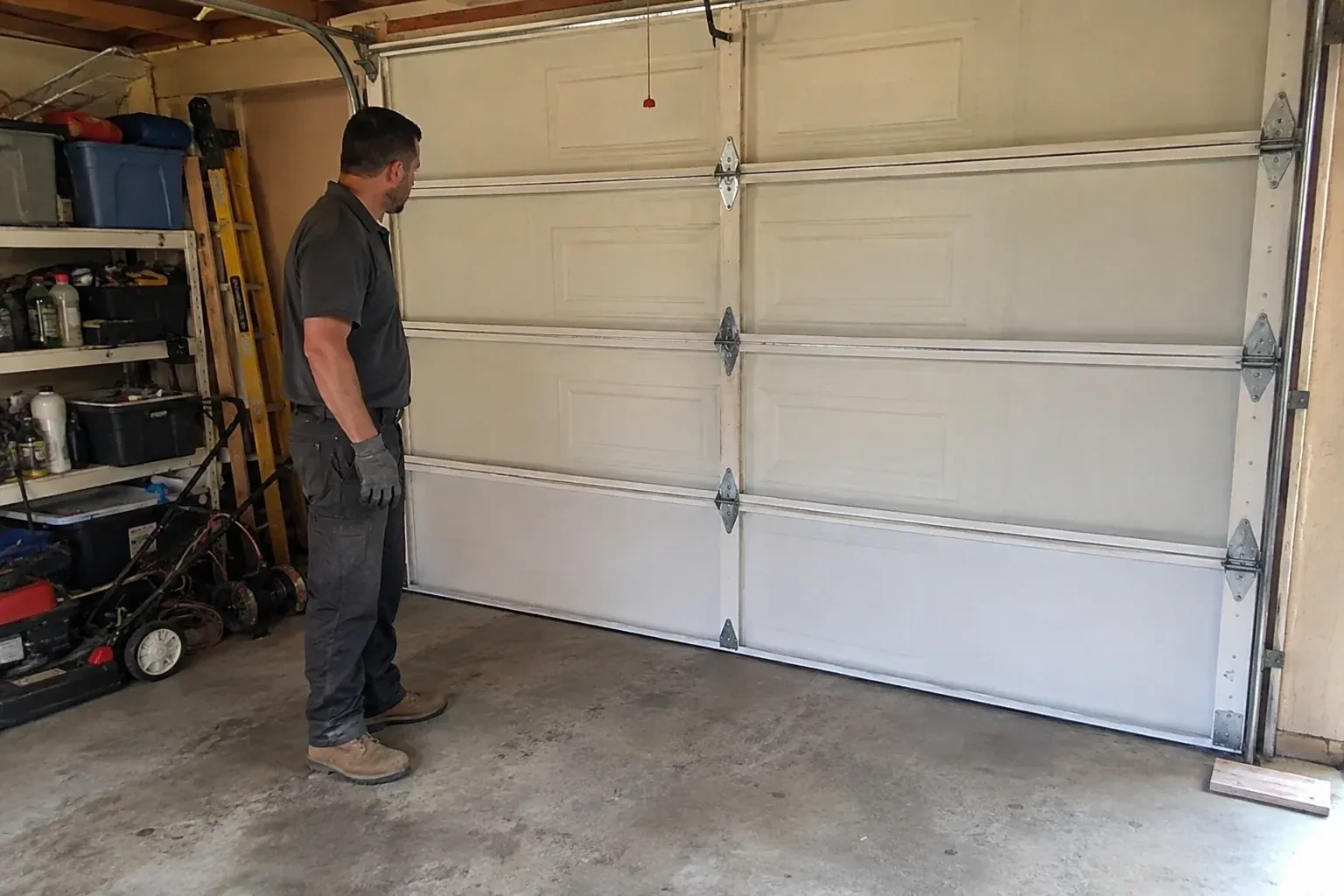
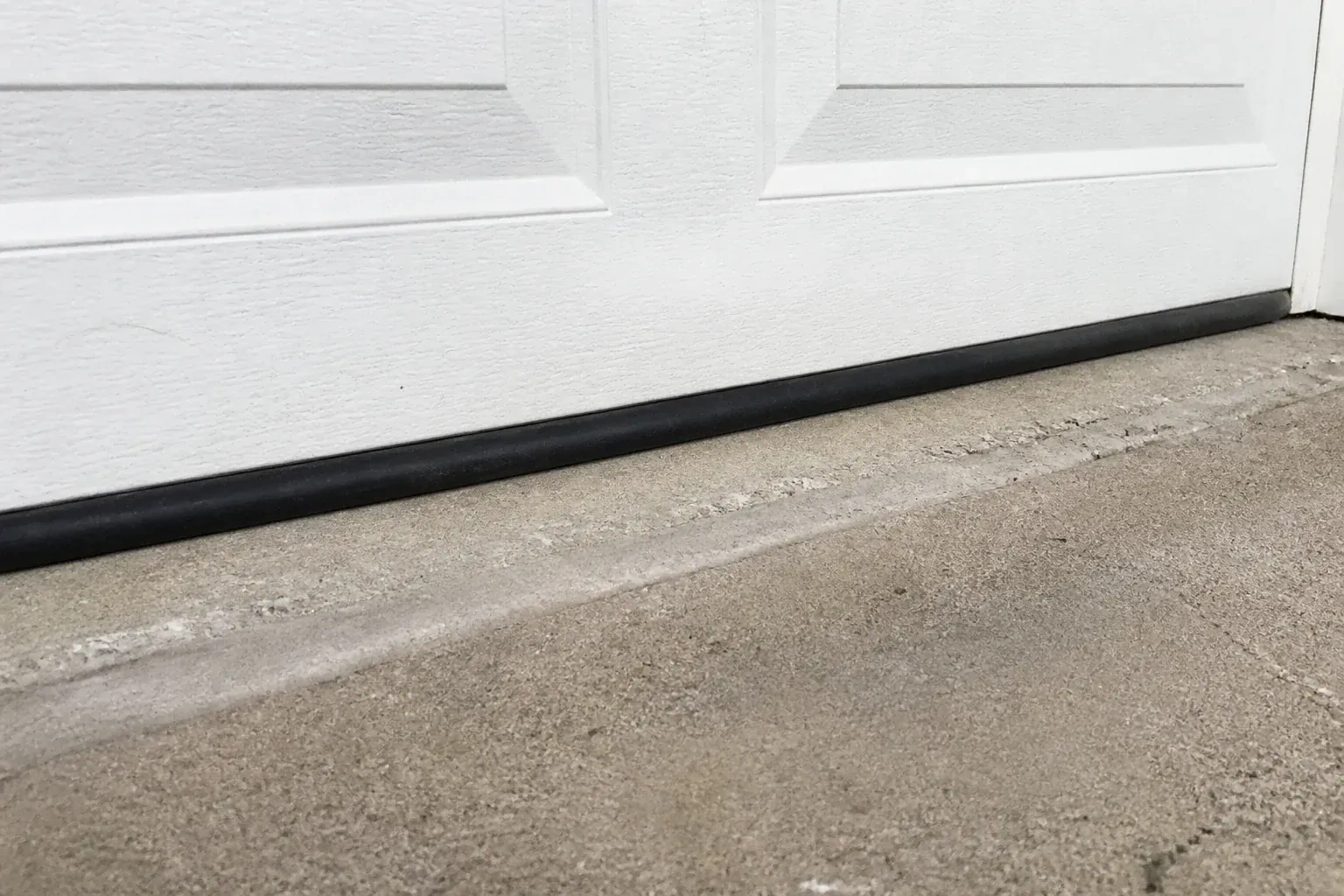
Selling a house in Pontypool puts the garage door front and centre in every photograph. We straighten, tune and quiet the existing door, replace tired weatherstrip and worn hardware, or fit a new door in a style that lifts the whole front of the home before the first showing. The same crew covers Ballyduff, Lotus, Manvers, New Park and Yelverton.
Selling a house in Pontypool puts the garage door front and centre in every photograph. We straighten, tune and quiet the existing door, replace tired weatherstrip and worn hardware, or fit a new door in a style that lifts the whole front of the home before the first showing. The same crew covers Ballyduff, Lotus, Manvers, New Park and Yelverton.
Balanced, quiet and ready for winter.
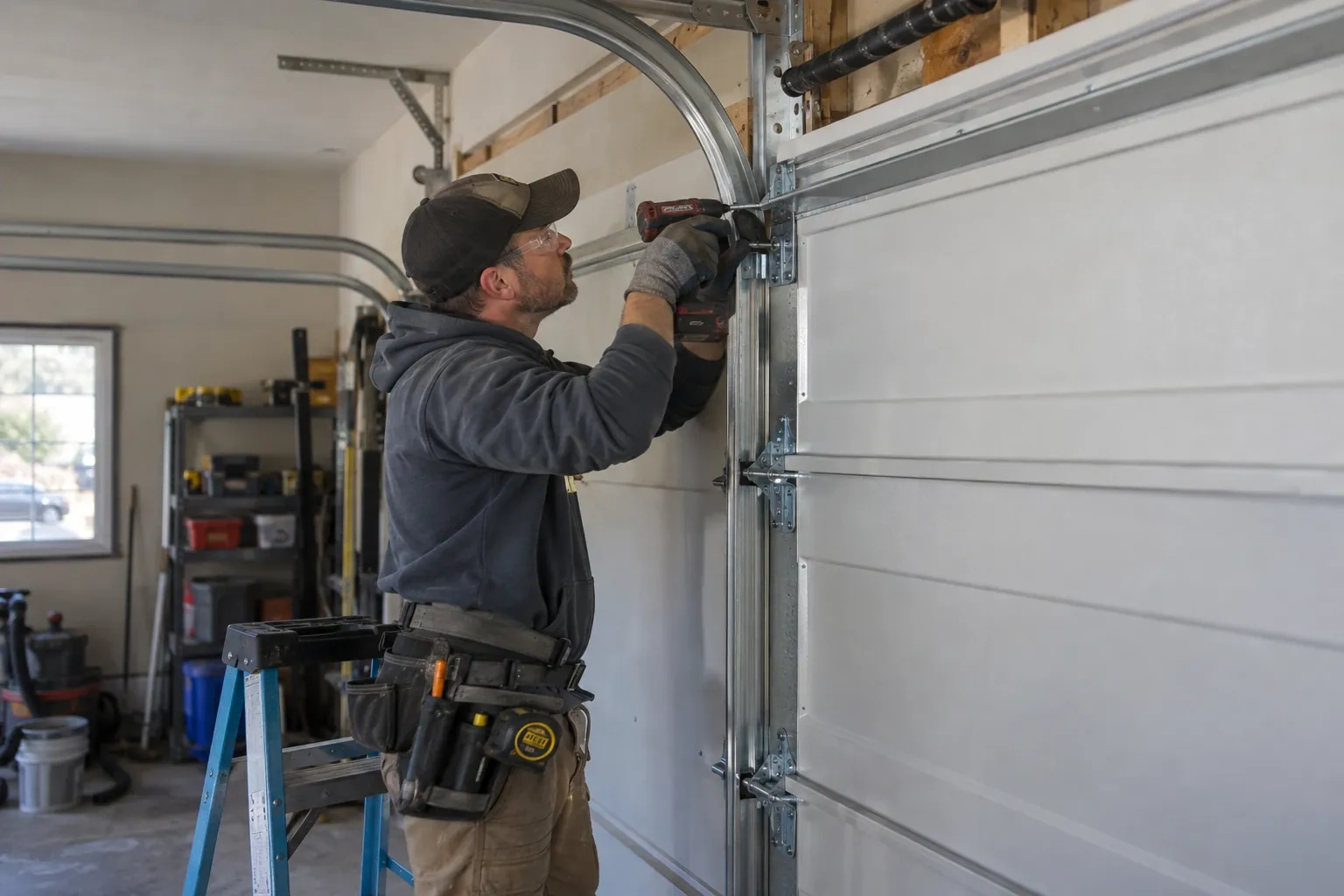
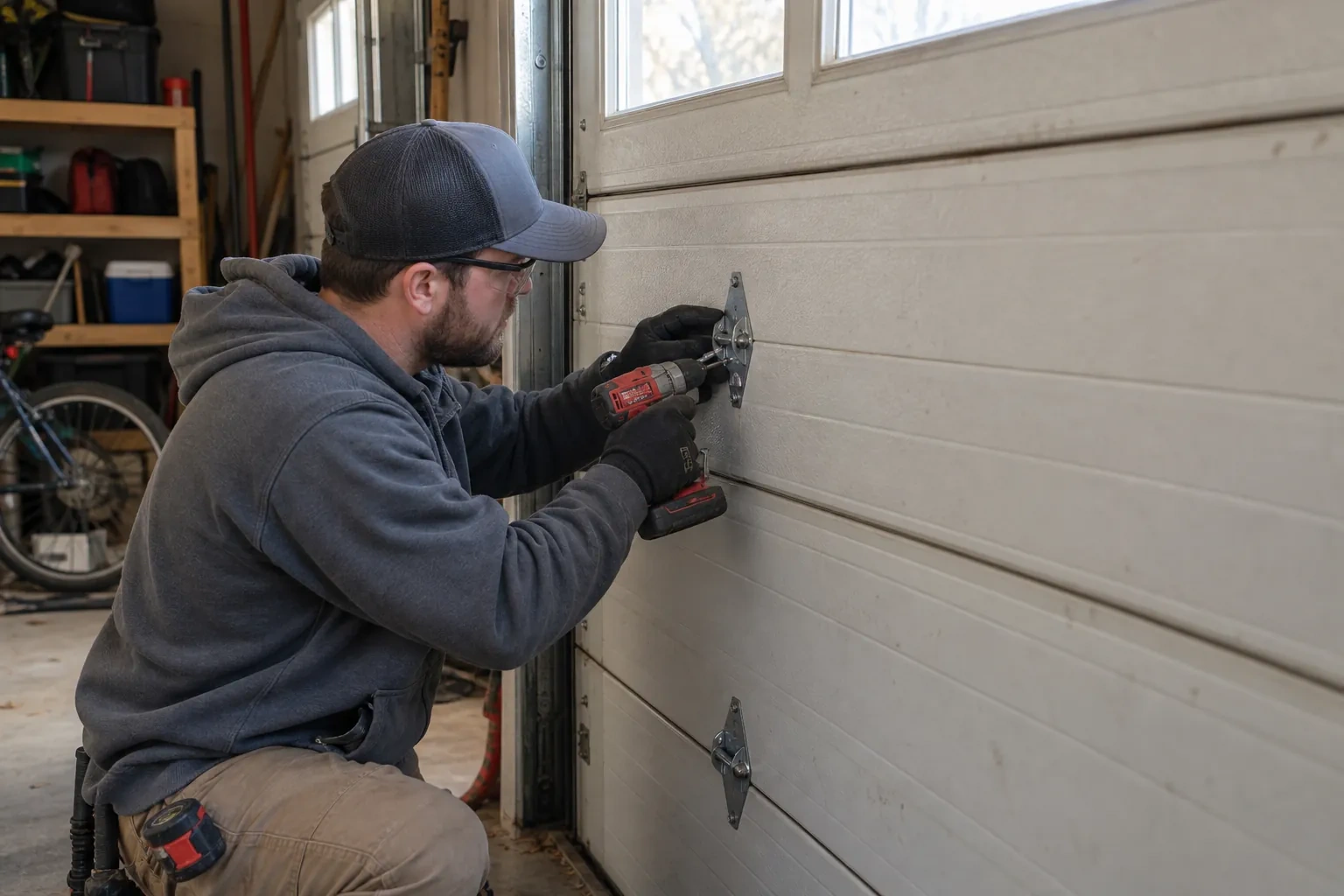
We work in Pontypool the way a good tradesman works on his own house: replace parts in matched pairs so wear stays even, use the spring size the door actually needs rather than the closest one on the shelf, and tidy the garage before leaving. Small habits like these are why doors stay fixed.
We serve Pontypool with the same small-company habits that built our reputation: the person who answers knows the technicians by name, the van carries the common parts, and notes are kept on every door so the second visit is easier than the first. Garage door repairs, openers and new installations for homes and businesses are all handled by that same team.
35years in business
24/7open every day
Real explanations. Every recommendation comes with the reason behind it, in words that make sense to someone who has never opened an opener.
Care in your space. We work around bikes, tools and vehicles carefully, protect what needs protecting, and leave the garage clean.
No pushing. You hear the choices once, clearly. Whether to go ahead, wait or take a different route is yours to decide.
Book the visit that gets your Pontypool door moving again.
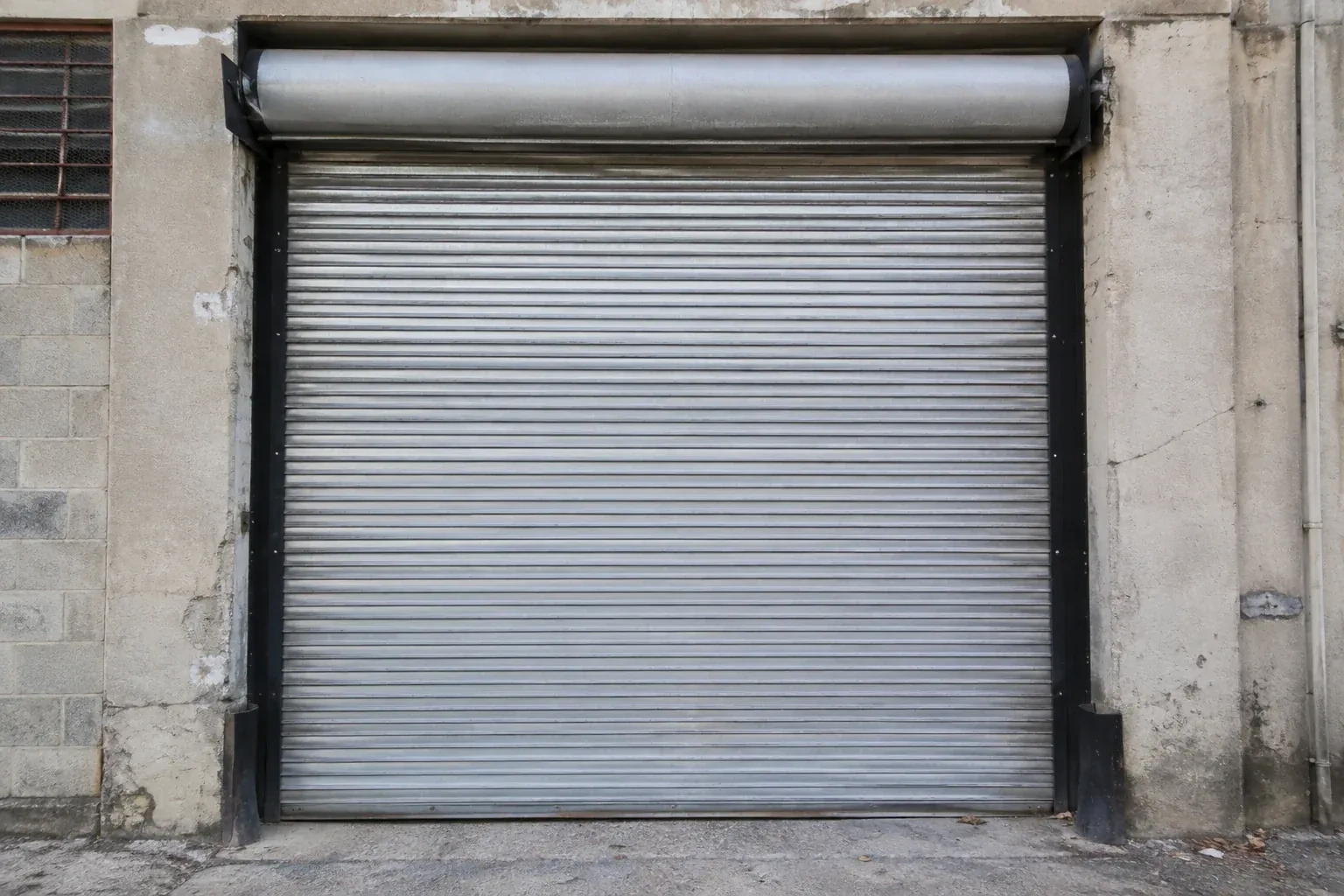
Whatever kind of door is on your building in Pontypool, from a single wood door on an older house to a rolling steel door on a workshop, we have a service that fits it. The pages here explain what gets checked first, how the work proceeds and how to look after the result.
About 56% of homes in Kawartha Lakes were built in 1980 or earlier, according to the 2021 Census.
Older homes
Older garages tend to have lower headroom and narrower single openings, so replacement doors and openers are chosen to fit the space rather than the other way round. Measuring the header, side room and ceiling depth is the first step on every one of these visits.
Single-detached houses make up about 84% of homes in Kawartha Lakes (2021 Census).
Mostly houses
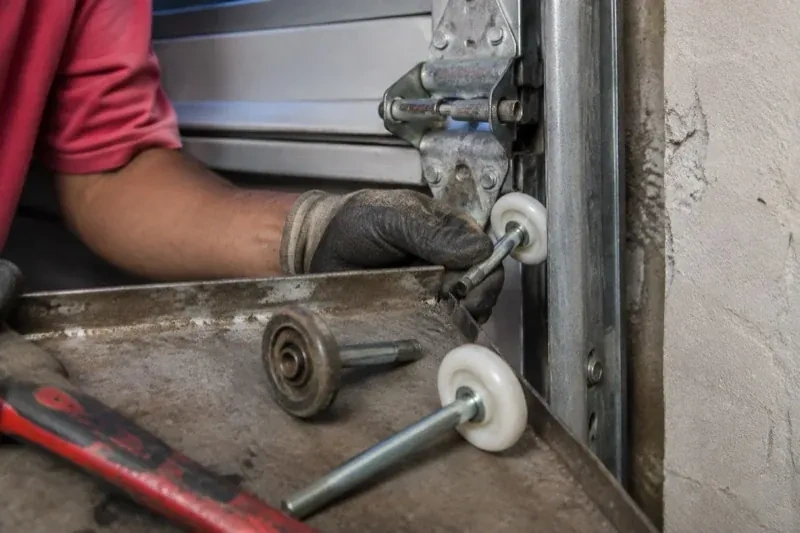
Where homes are detached, the garage is frequently a workshop or storage room as well as parking, and the door may be opened dozens of times on a Saturday. Sealed-bearing rollers, protected sensors and a regular tune-up keep a hard-working door running smoothly.
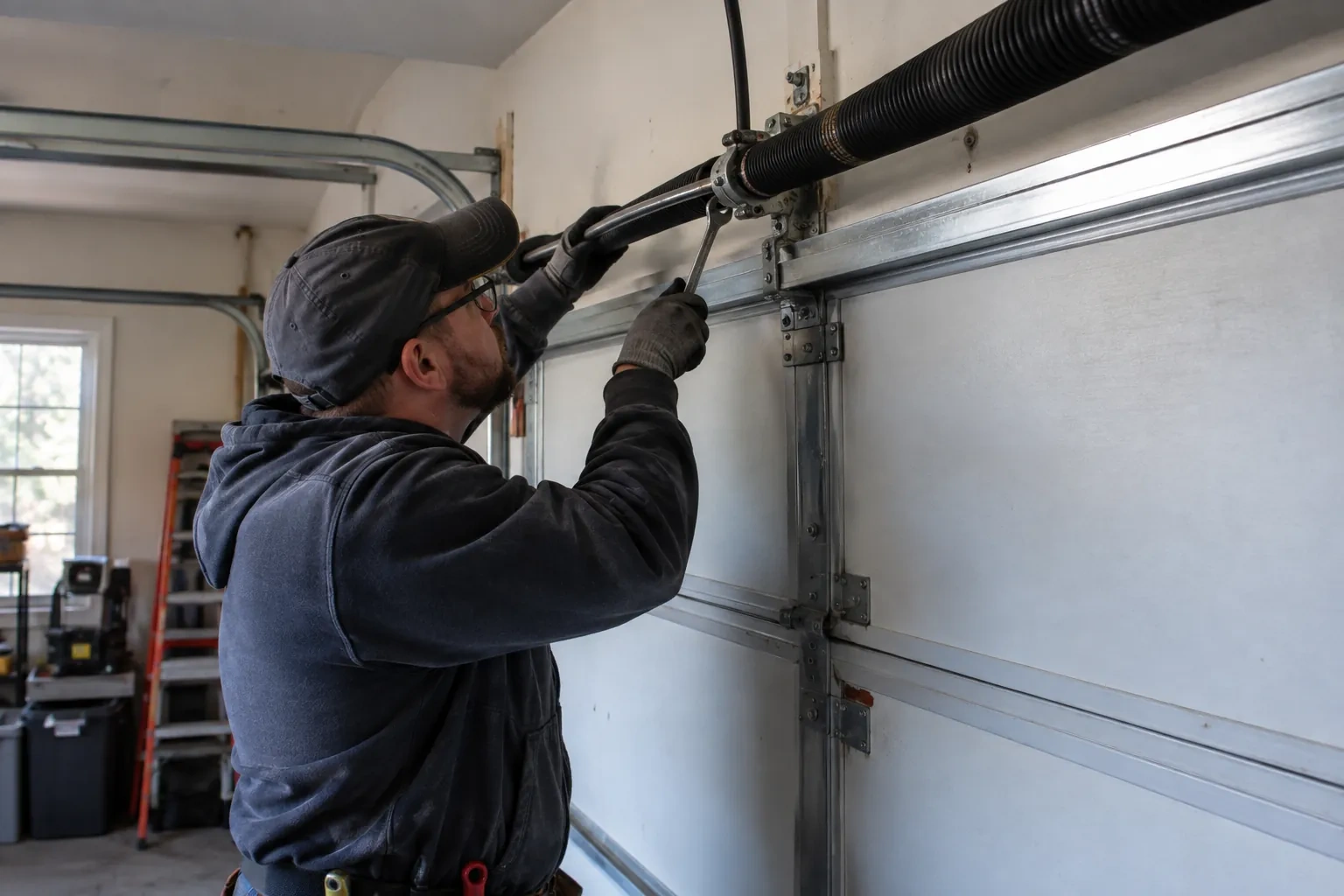
Springs have a working life measured in cycles, and most doors reach it eventually. We fit replacements sized for your door, install safety cables where they belong, and test the balance by hand.
Every morning the door announces itself: a rattle on the way up, a grinding squeal on the way down, loud enough that the neighbours know when you leave.
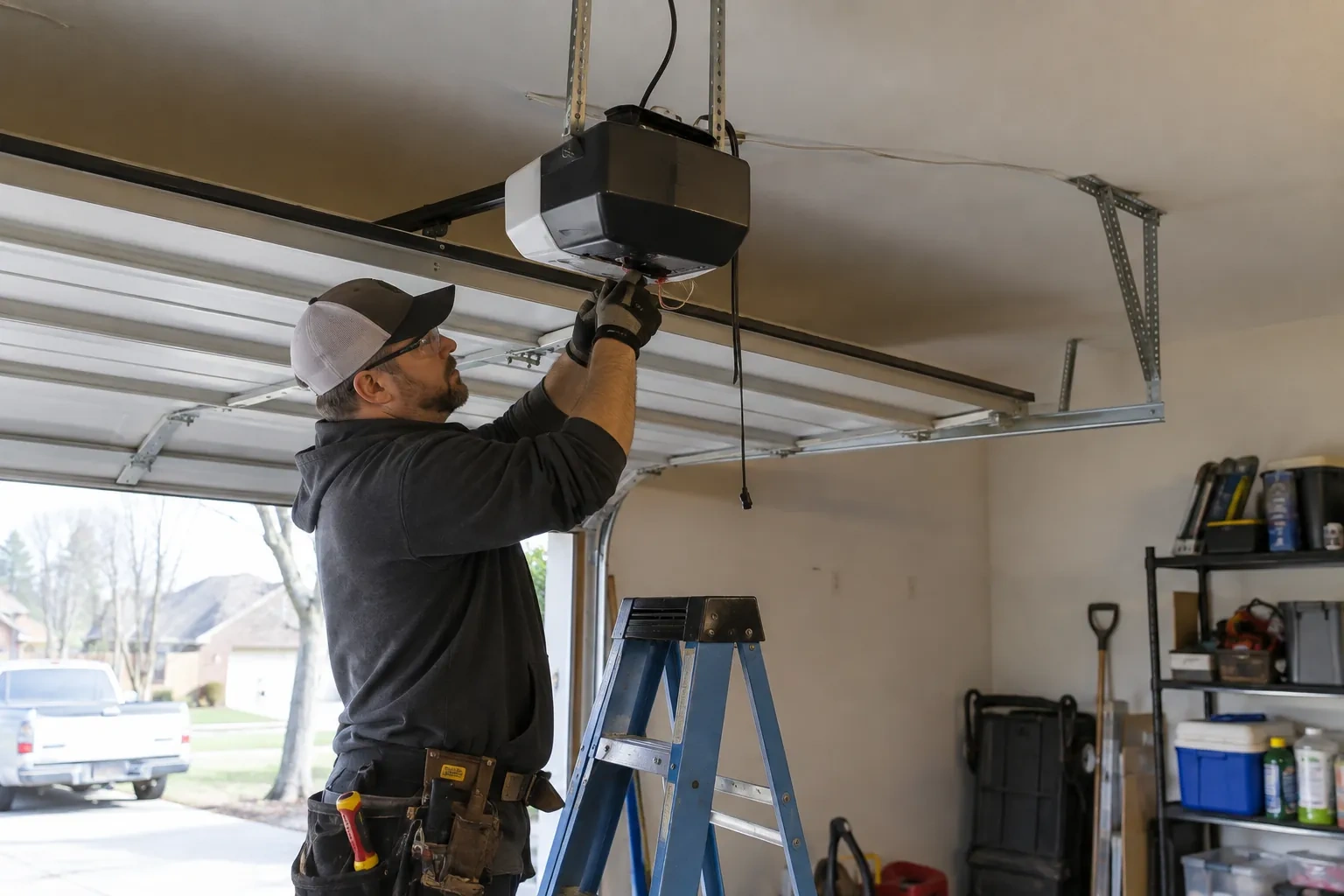
Press the button and the opener hums for a second, then quits. The trolley is jammed hard against a bolt at the very end of the rail near the motor and will not budge in either direction.
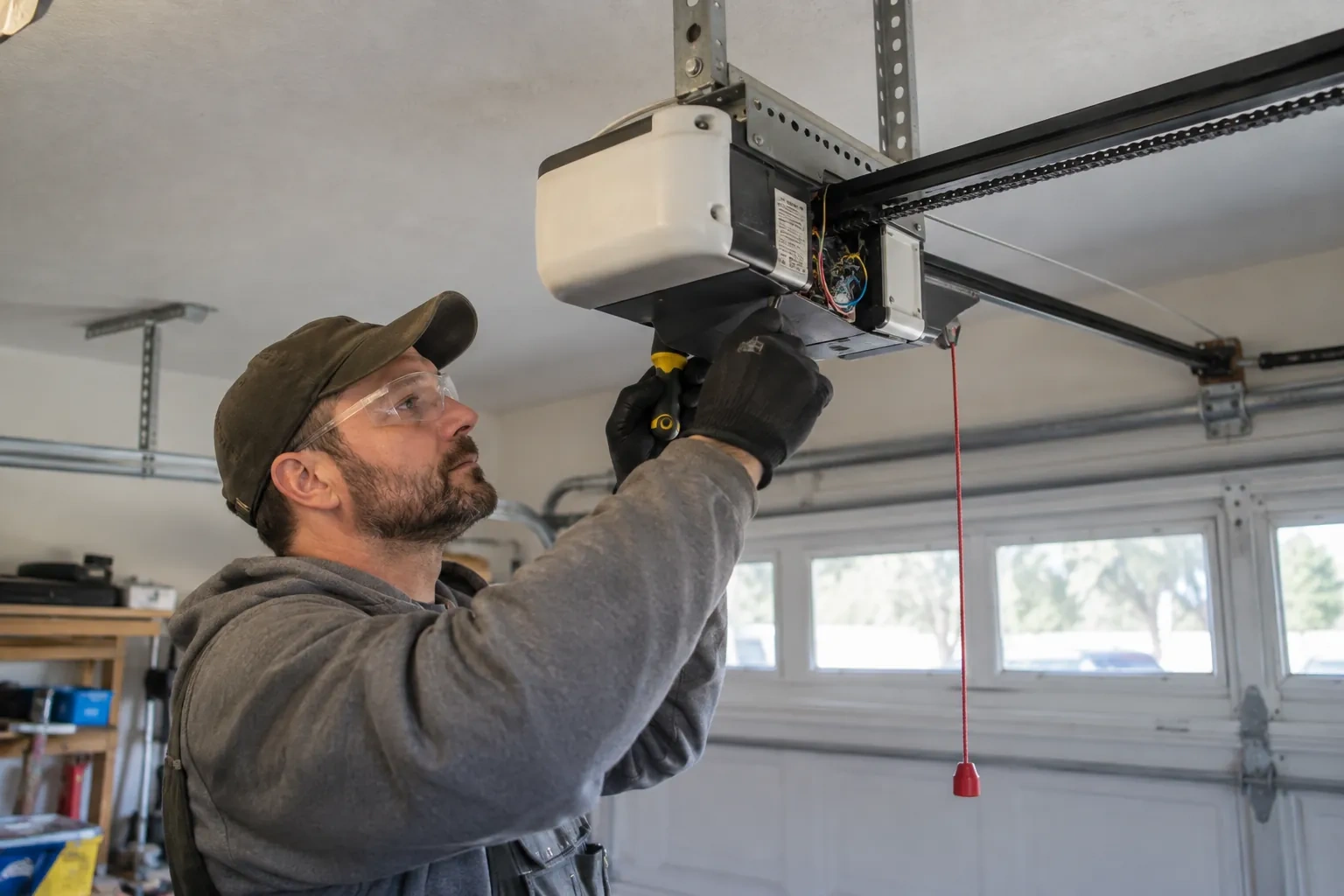
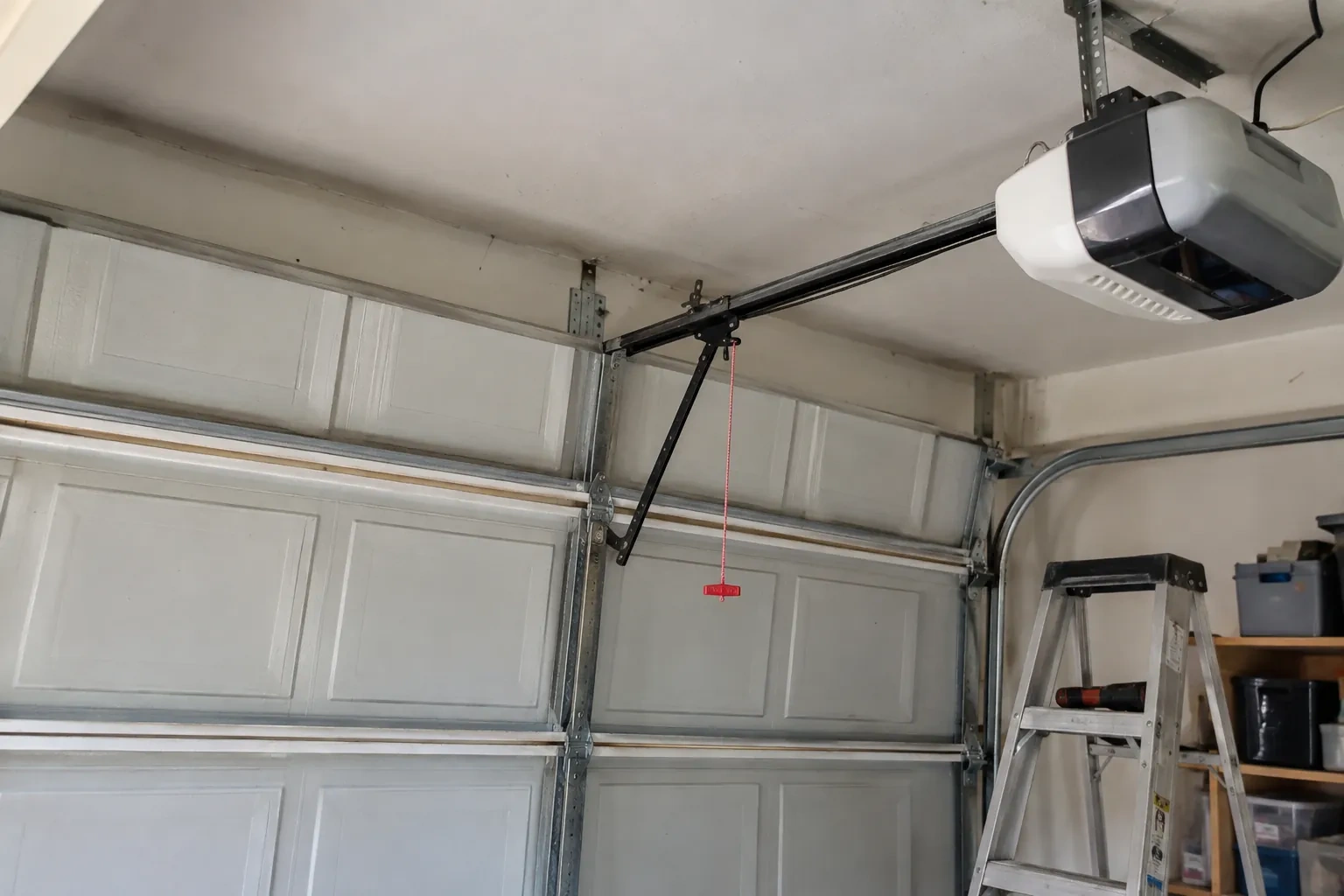
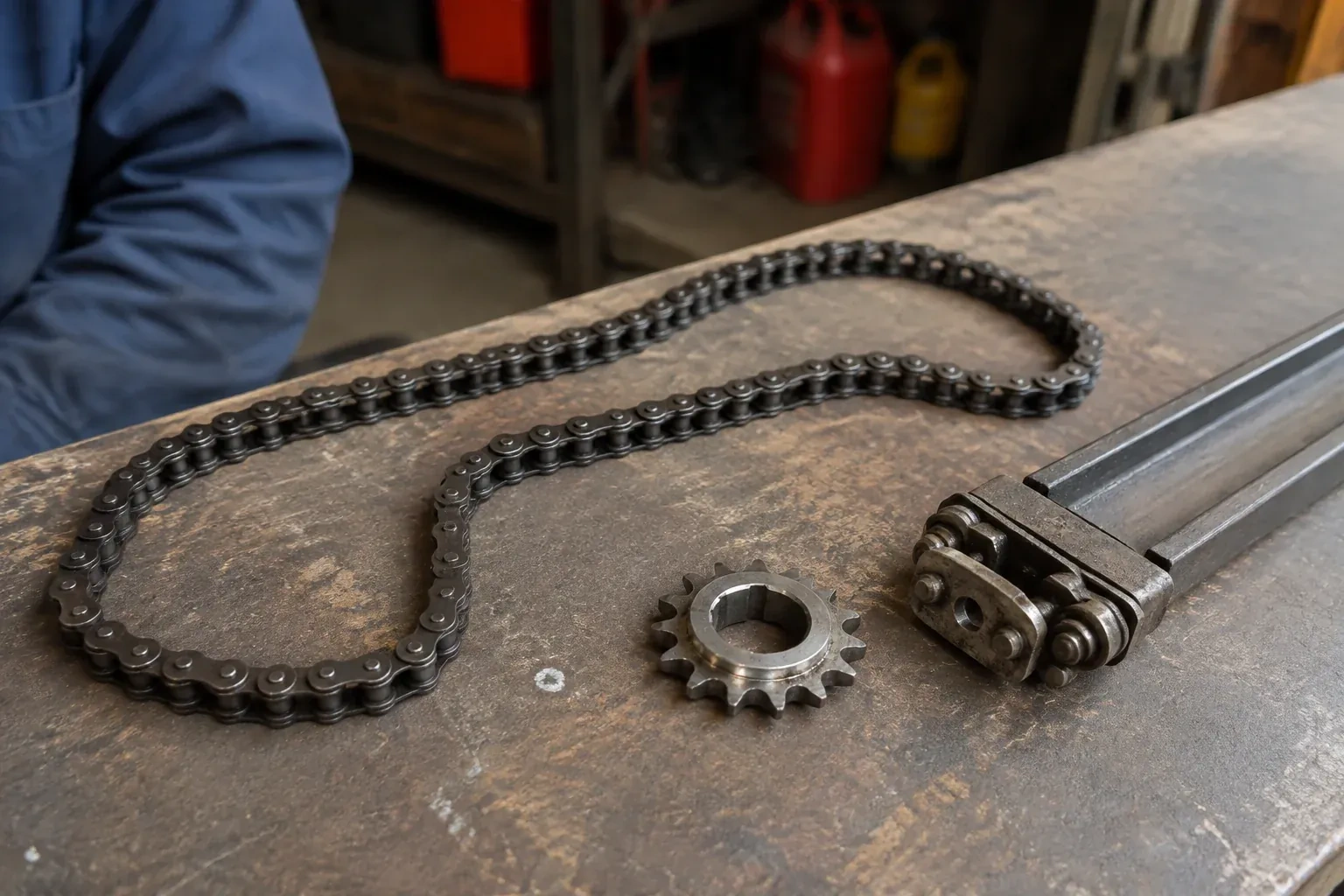
Someone tightened the belt last month to stop the sag. Now the opener sounds like a chain drive, the motor labours on the way up, and the whole rail vibrates under the ceiling.
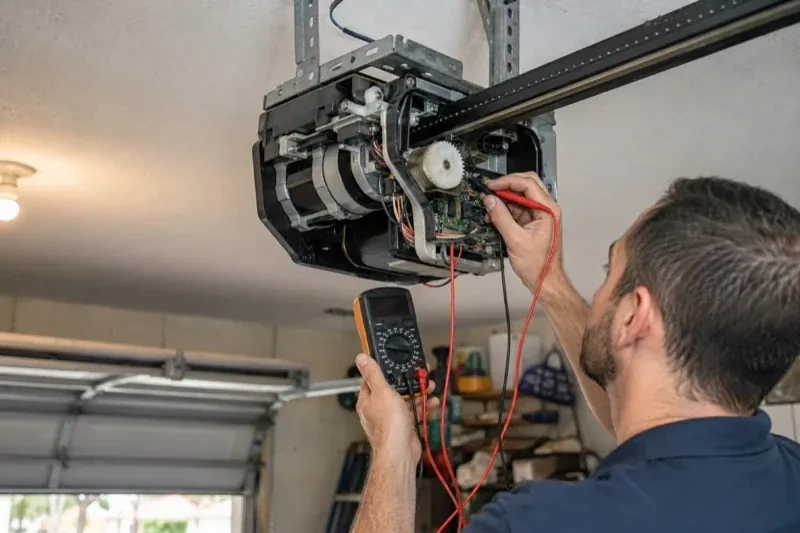
Press the button and the motor hums, but the door stays exactly where it is. Under the housing there is a dusting of white plastic shavings, the sign of a stripped drive gear, and this is the second time it has happened.
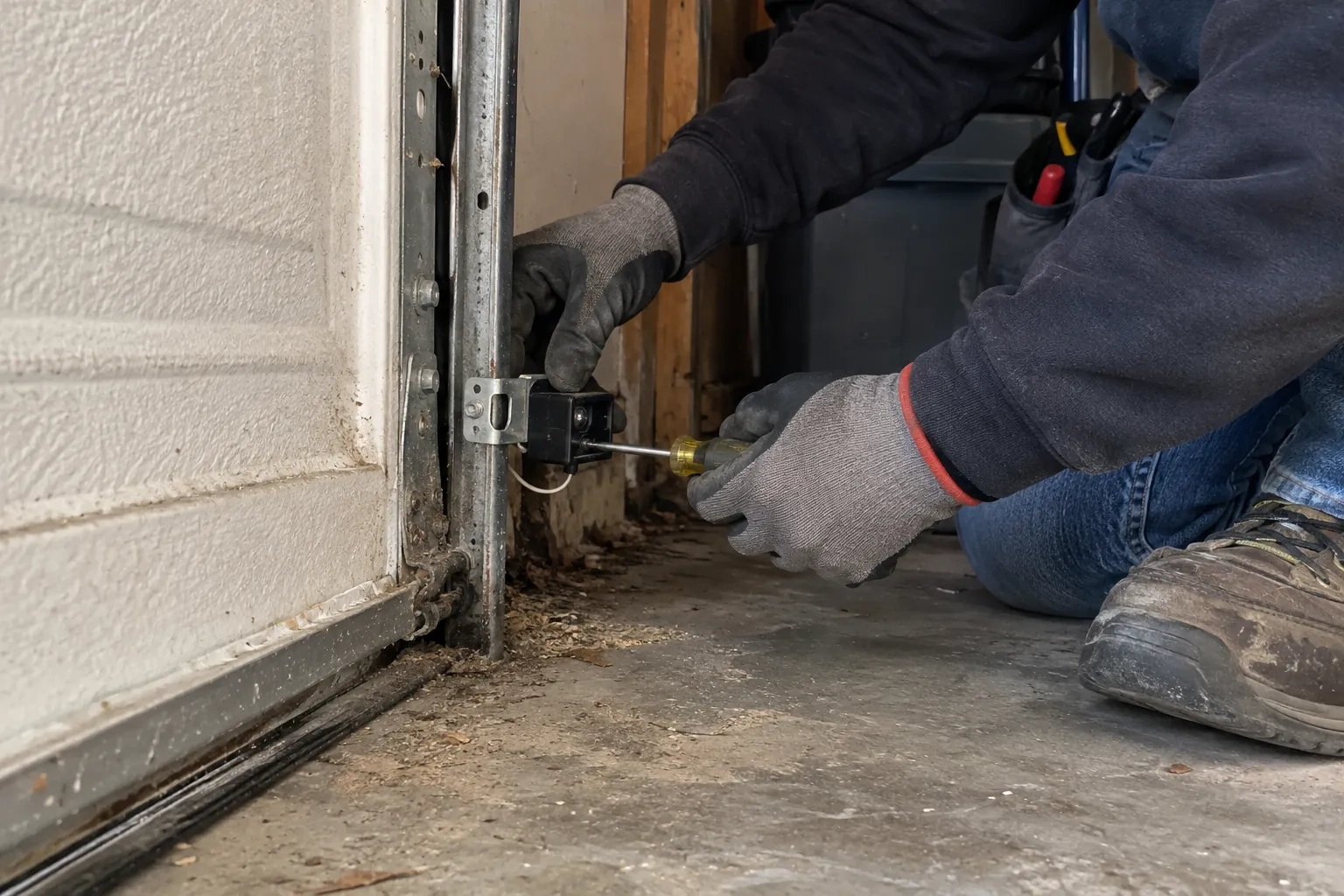
Someone backed the car in a little too far, a bin or a bicycle brushed the track, and since then the door starts to close and comes back up. One sensor now sits at a slightly different angle from the other.
Your daughter gets home from school an hour before anyone else. She has lost two house keys this year, and the garage keypad code has been shared with half her class.
A previous owner knotted the release cord around the rail and stacked storage shelves right beneath it. You only discovered this in the dark, with the power off, a flashlight in your teeth and a car that needed to be somewhere.
Which fix fits?
On bright afternoons the door goes down a metre, stops, and climbs back up while the light on the opener blinks.
WhyFor a household here, the most valuable feature is often the simplest: a message that says the door has been open for ten minutes on a January night.
A heated garage feels cold beside its ageing door each winter.
WhyWhen a door is stuck closed, the first goal is to understand what is holding it rather than adding force.
An entrance. Not an afterthought.
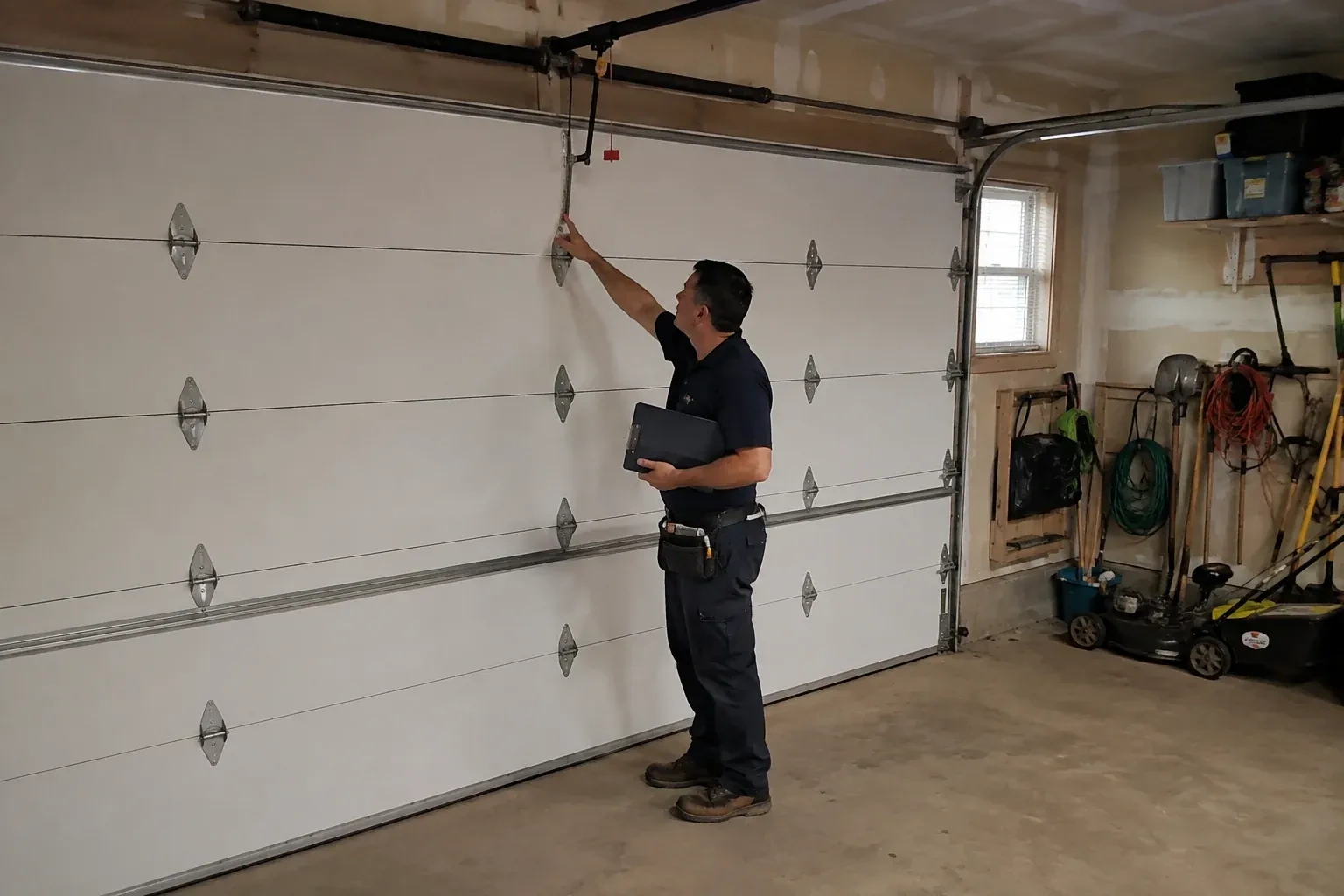
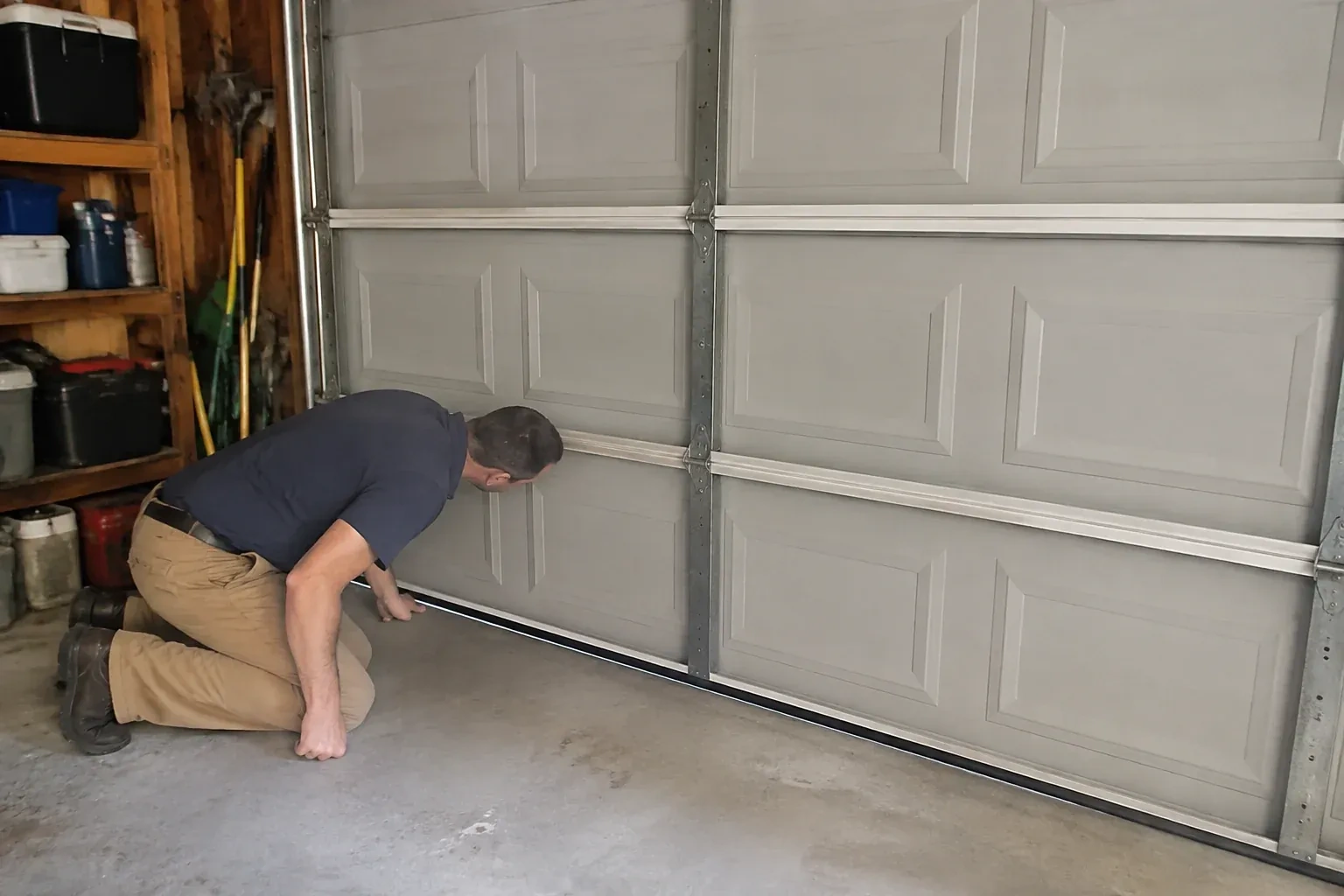
1/10Garage Door Safety Inspection
On bright afternoons the door goes down a metre, stops, and climbs back up while the light on the opener blinks. After dark it closes perfectly. Nothing has changed except the weather.
It is a February morning and the key goes only halfway into the garage handle. Yesterday's melt ran down the door face and into the keyway, and overnight it set like glass. The key flexes; the cylinder stays put.
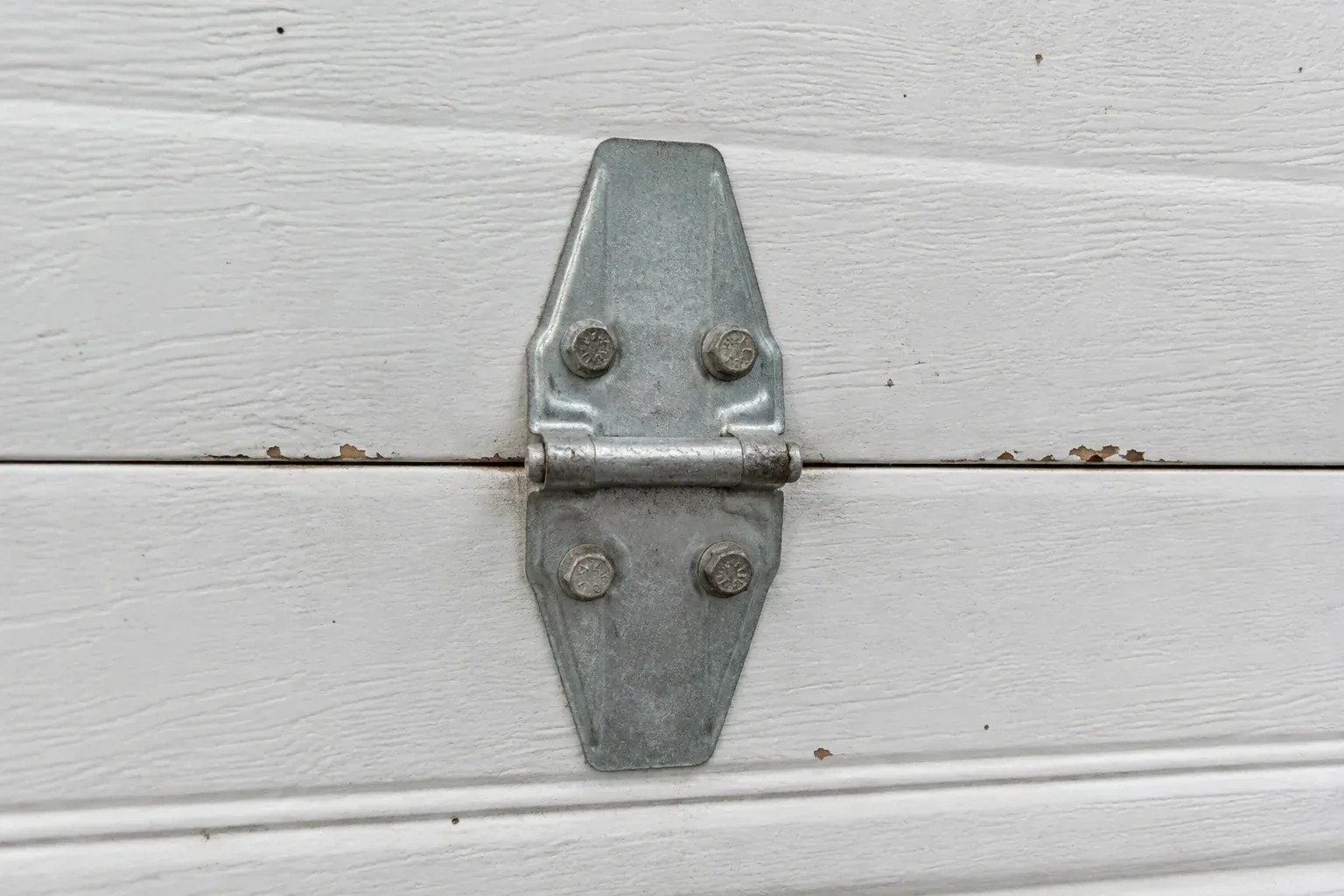
The door is the one the builder installed and has never had a part changed. It works, but it clatters, the wheels are hard white plastic with no bearings in them, and the opener sounds like it is labouring more each season.
After years of slushy winters the cables look thinner near the bottom brackets, with rust streaks running down the door where they attach. The door still works, but the frayed wires catch your glove when you brush past.
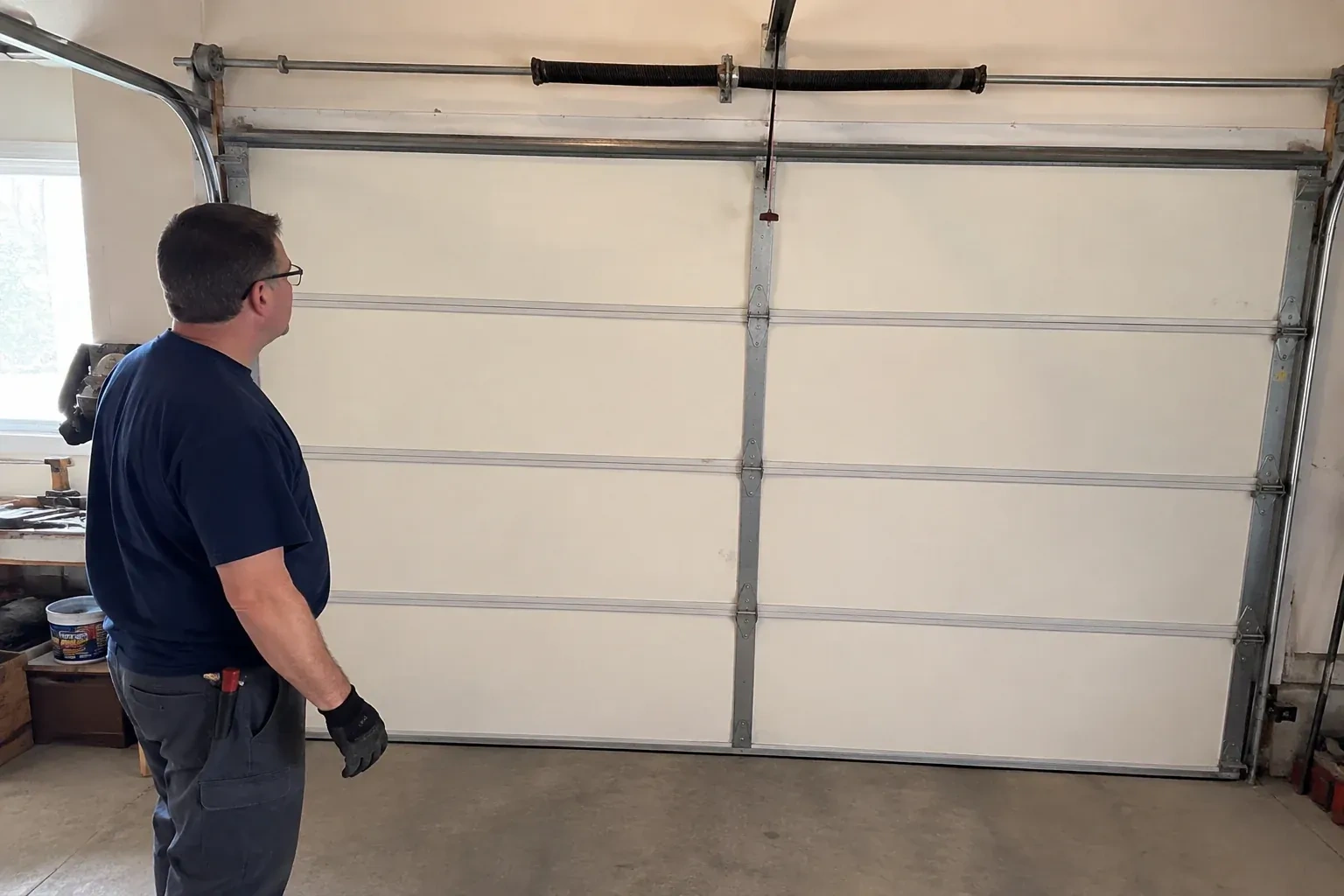
Open the door by hand and it drifts back down on its own, a little at first and then all at once. Nothing is broken that you can see, but the springs along the tracks look tired, rusty and slightly sagging.
Nothing. No light, no click, no hum from the unit on the ceiling. The remote is dead, the wall button is dead, the keypad is dead. It worked yesterday evening, before the storm knocked the power out for an hour and brought it back with a flicker.
The door will only go down while a finger stays on the wall button; let go and it stops or reverses. From the remote it opens fine but never closes, so someone has to stand in the garage every time.
You are twenty minutes down the highway when the thought lands: did the garage door close behind you? You cannot picture it. Turning back means being late, and not turning back means wondering about it all day.
A heated garage feels cold beside its ageing door each winter. You are considering insulated glazing, improved seals and a frame option suited to the room rather than choosing on appearance alone.
The hand chain takes far more effort than it did last month. The curtain feels heavy from the first pull, pauses around mid-travel, and settles downward instead of holding a steady position.
Why does my door reverse on the way down for no reason?
Most often it is the photo eyes. A sensor knocked slightly out of line, a lens with a film of road grime, a loose wire, or low afternoon sun shining straight into one eye will each break the beam as far as the opener is concerned. The next candidates are a down-force setting that has drifted, a binding roller or a door that has gone out of balance. The inspection checks each in turn.
The wood around my lock is soft. Can it still be repaired?
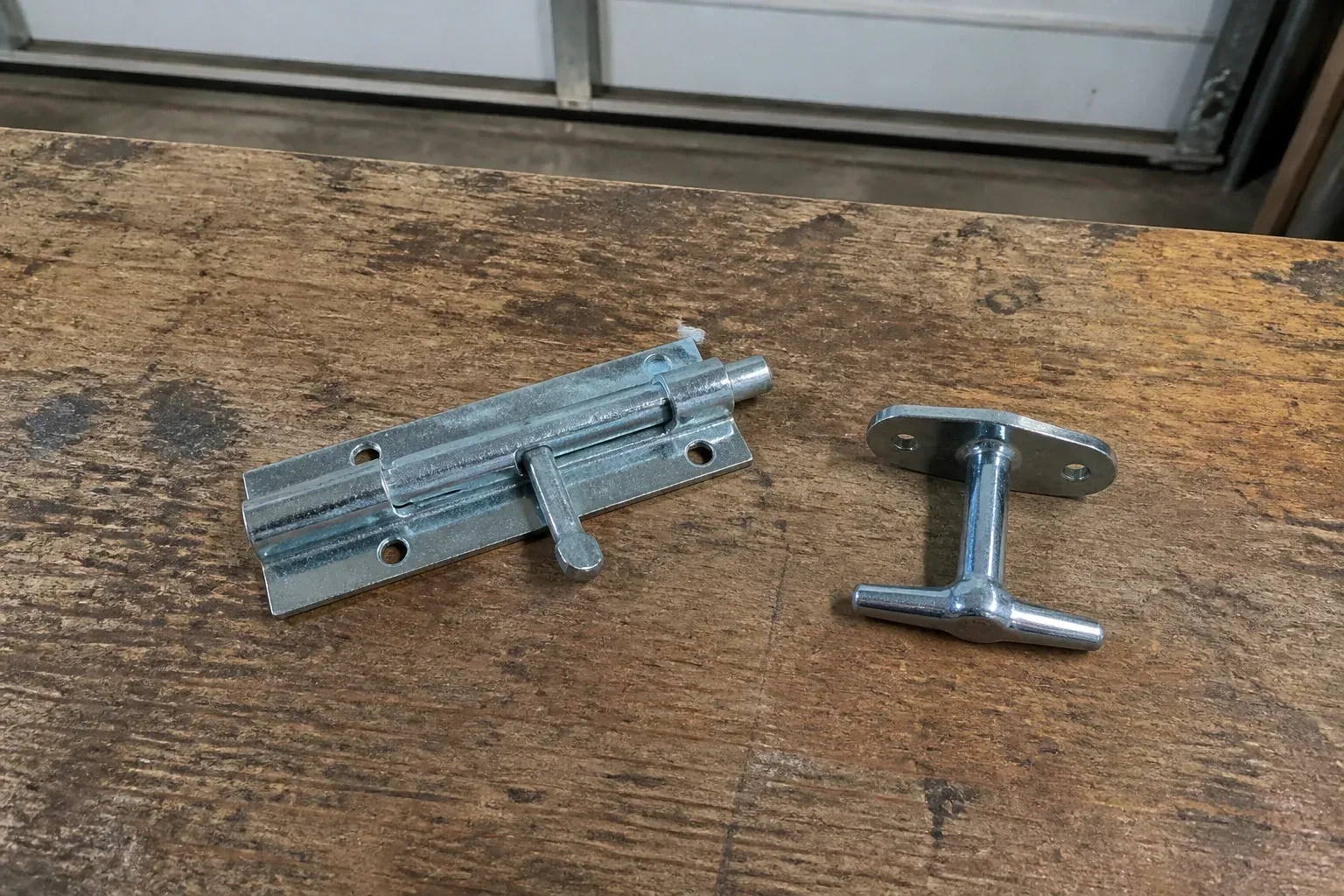
Yes. The decayed wood is cut back to sound material and a hardwood block or a steel backing plate is let in behind the handle and along the stile where the bar guides sit. The handle, mechanism and guides are then fixed to that new material with through-bolts rather than screws into soft grain, so the lock turns without rocking and the bars hold their line.
What can I do before the technician arrives?
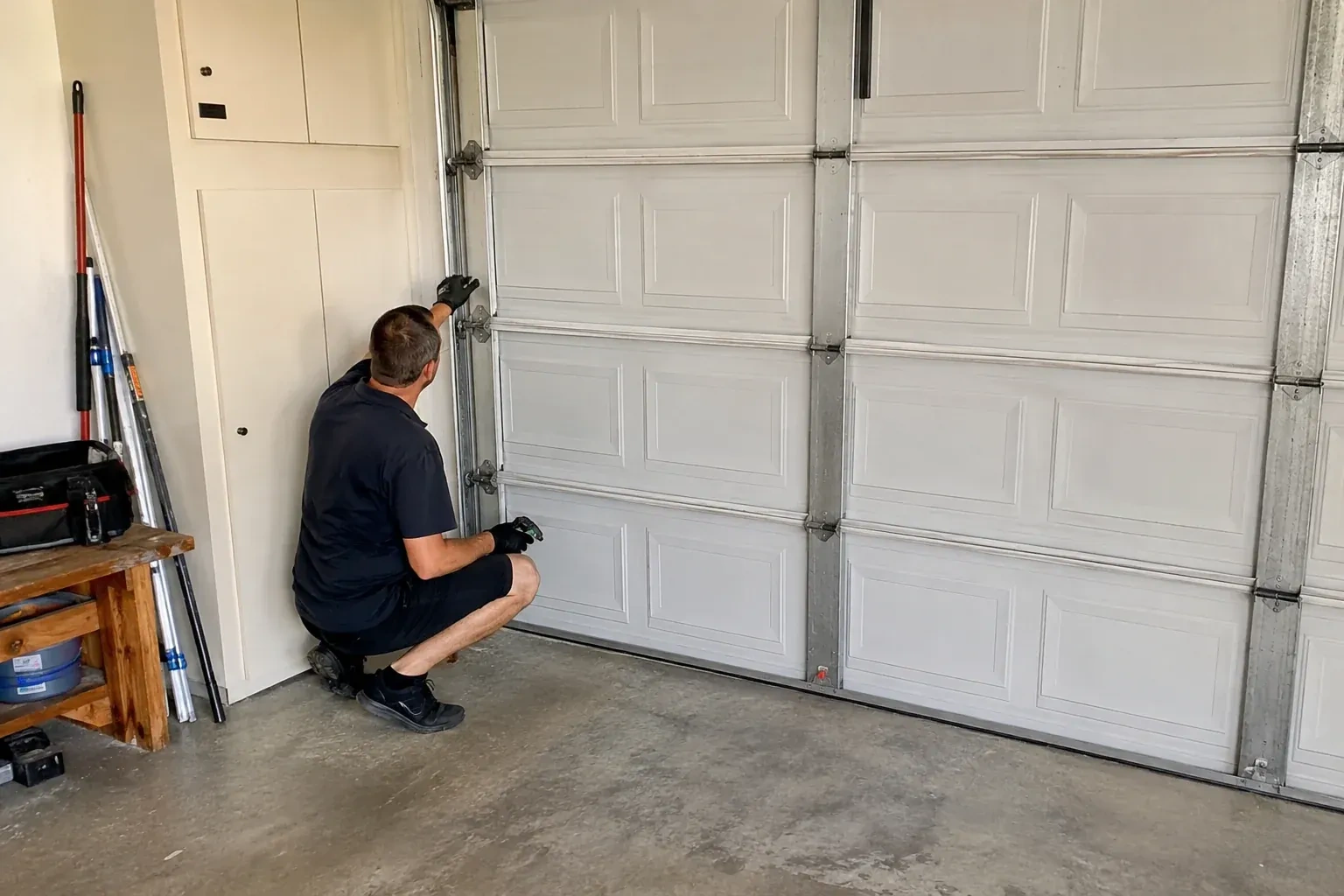
Move vehicles out of the garage and clear anything stored against the walls near the tracks so both sides are reachable from floor to ceiling. If it is safe to do so, note where in the travel the noise or hesitation happens and whether any wheel looks chipped, crooked or riding on the track edge. Have the door's make and the date of any spring work handy if you know them. Leave the door as it is; there is no need to lubricate or adjust anything first.
What are garage door cables made of?
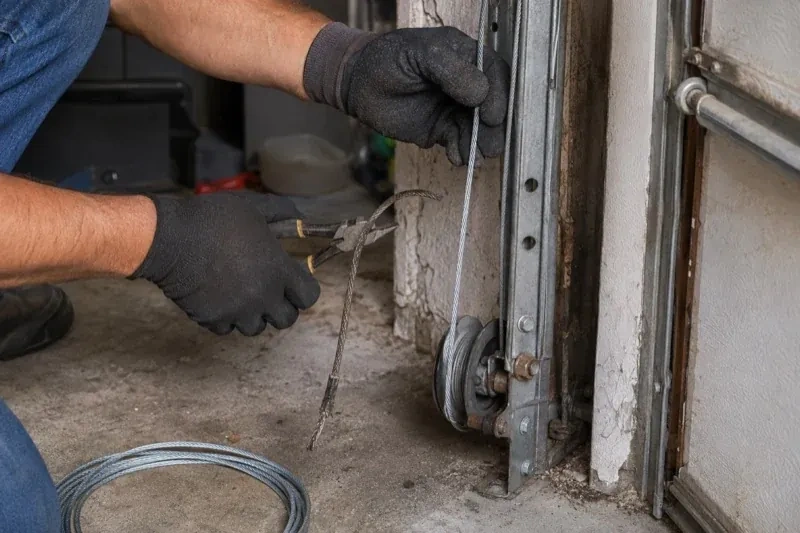
They are galvanized aircraft-type wire rope: many fine steel wires twisted into strands, and the strands laid around a core, which gives a cable that bends around a small drum thousands of times without fatiguing. One end carries a swaged stop or a loop for the drum, the other a loop that fits over the bottom bracket pin. Diameter and length are chosen for the door's weight and height.
How do you know which springs my door needs?
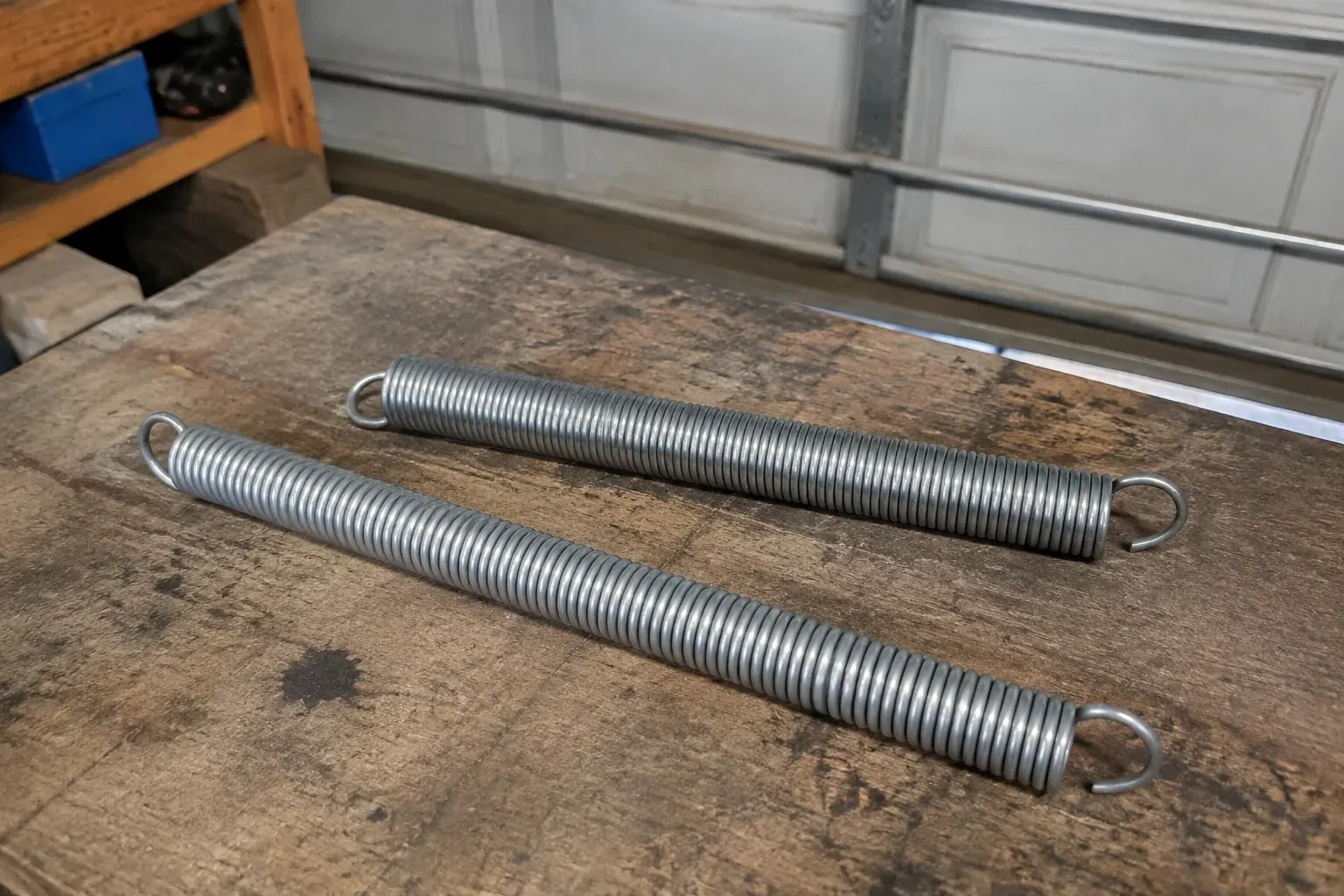
By weight. Extension springs are rated for the weight they lift, so the technician releases the opener and weighs the door on a scale, then matches that figure and the door's height to a spring rating and stretch length. The old springs are measured as a check on wire size, coil diameter and length. Where the two disagree, the scale decides, since doors gain weight from added insulation or panels.
How long does a diagnosis visit take?
The checks themselves run in a set order and take a modest part of an hour on most doors. What extends a visit is the repair that follows: a gear kit or capacitor adds a little, a sensor re-wire or a trolley change adds more, and a door-side problem such as a balance fault may mean a second piece of work. You are told where things stand once the cause is found, before any further work begins.
Can any sensor pair be used with my opener?
Not any, no. Sensors are matched to the opener's make and generation, and a board from one era may ignore sensors from another even when the wires fit. The technician reads the model from the head unit label and fits the pair listed for it. Some operators accept a documented universal pair, and those are used where the maker lists them as suitable; on a very old unit with no compatible pair, a modern operator is the way forward.
Can I see who opened the door and when?
Yes. The app keeps a history of every open and close with the time and, where a user was signed in, the name. Opens from a remote or the wall button are logged as well, though without a name attached. Many people find this the feature they use most: confirming that a teenager arrived, that a delivery went in, or that the door really did close at bedtime.
Can I choose privacy glass and still get natural light?
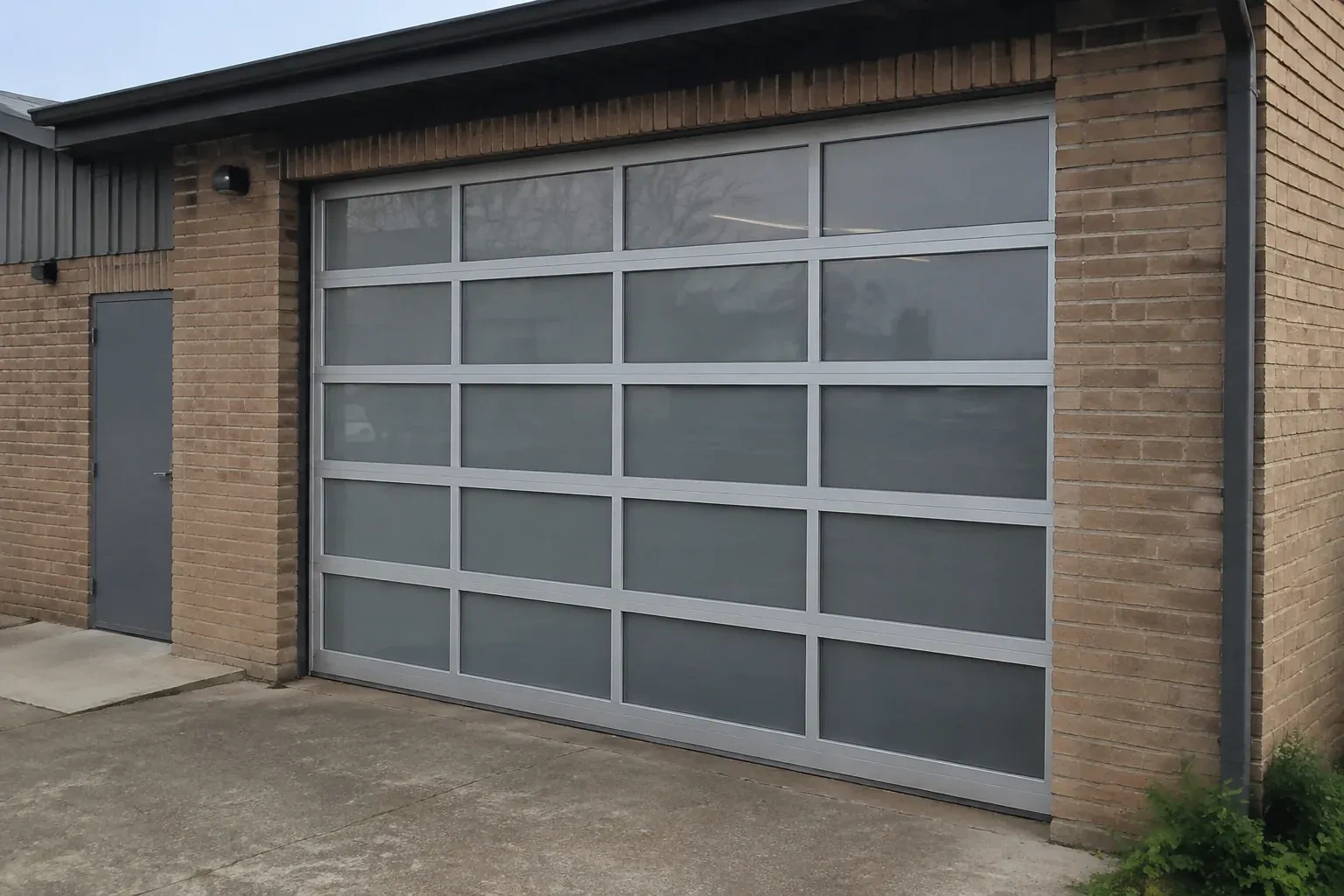
Yes. Frosted, obscure, tinted, mirrored and laminated choices can diffuse views while admitting daylight, with the exact effect varying by material and lighting. Privacy is assessed from both sides because a bright interior at night changes visibility. Some layouts combine more private lower panels with lighter upper rows, shaping sightlines around how the garage is used.
How should we prepare the loading area?
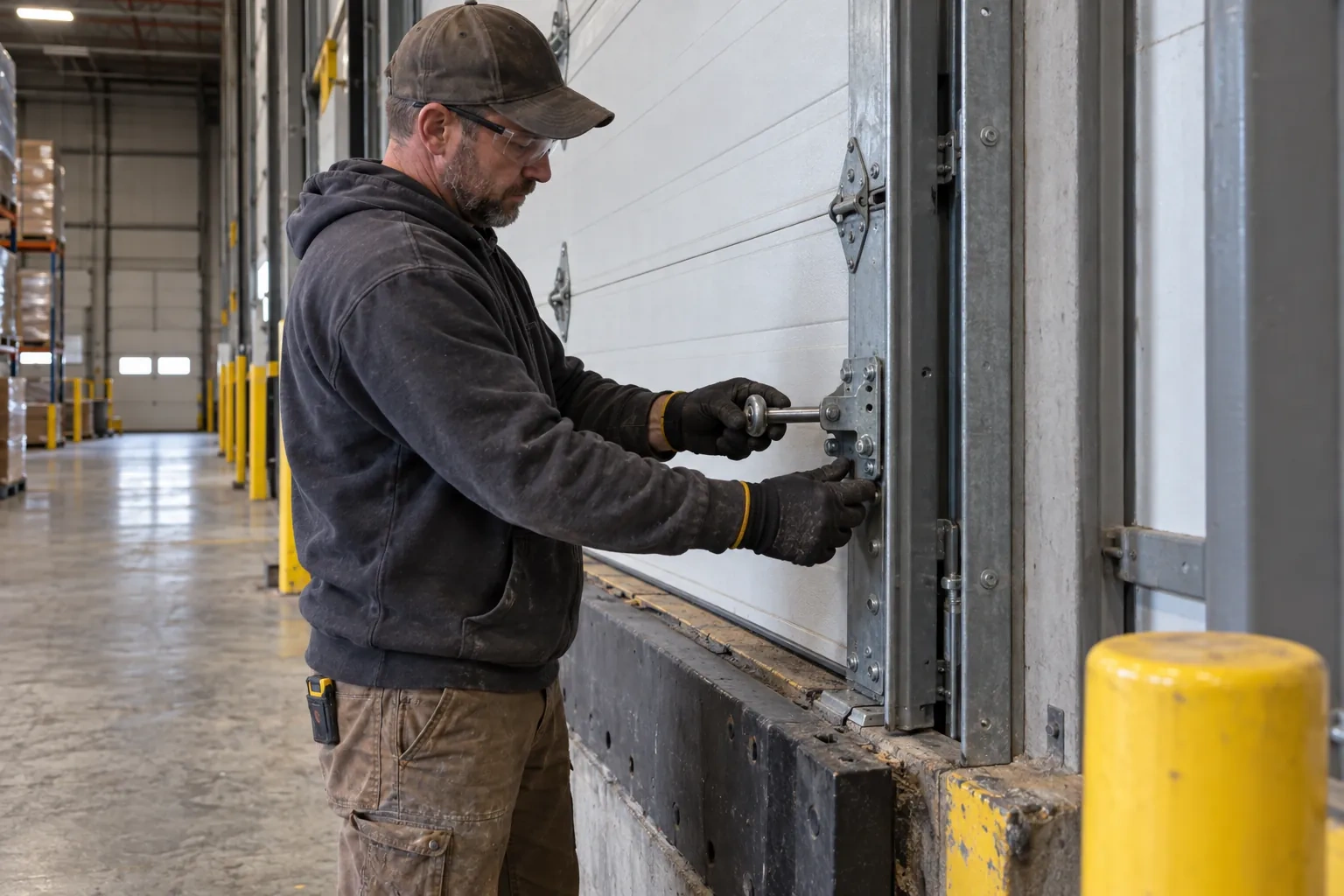
Move vehicles, pallets and loose packaging away from both faces of the opening, and identify an alternate route for staff and deliveries. Provide access to the control station, disconnect and any door records. A facility contact who understands normal operation and can authorise testing makes it easier to reproduce the complaint under controlled conditions.
Request a visit
We work in Pontypool the way a good tradesman works on his own house: replace parts in matched pairs so wear stays even, use the spring size the door actually needs rather than the closest one on the shelf, and tidy the garage before leaving. Small habits like these are why doors stay fixed.