New Doors · Pontypool
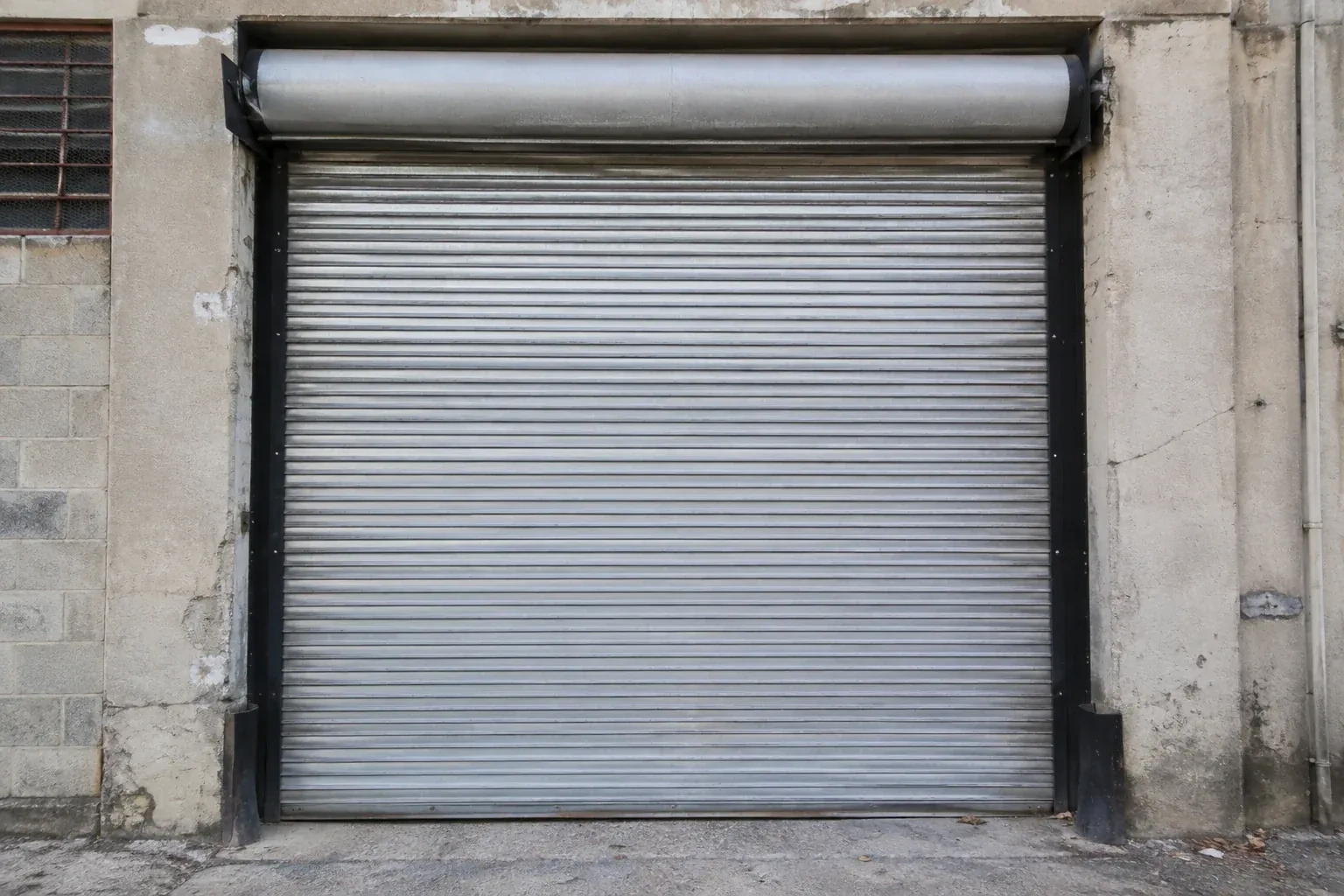
Commercial Rolling Door Repair in Pontypool
A metallic clatter now comes from inside the hood whenever the curtain coils.
In plain words
When a door is stuck closed, the first goal is to understand what is holding it rather than adding force. A lock may still be engaged, a damaged slat may be wedged in a guide, the bottom seal may be frozen down, or the operator brake and limits may need attention. Traffic is redirected, power and stored spring energy are controlled, and the curtain is supported before parts are released. The repair follows the actual cause, after which the door is cycled under observation and the business receives a clear account of the work and operating checks.
How the visit goesThe hand chain takes far more effort than it did last month. The curtain feels heavy from the first pull, pauses around mid-travel, and settles downward instead of holding a steady position.
Commercial Rolling Door Repair
How the visit goes
Follow the powered control chain
For a motor-operated door, the assessment moves from command to motion in a defined sequence. The control station, key switch or access input is observed; lock and pass-door interlocks are checked where present; then the operator brake, drive, limits and manual hoist or disconnect are reviewed. Photoelectric sensors and sensing edges are identified by function rather than assumed to be interchangeable. Their mounting, wiring condition, alignment and response are checked against the operator information. This approach shows whether a stopping complaint comes from protective logic, a control fault, limit setting or resistance in the door itself.
Realign guides and attachments
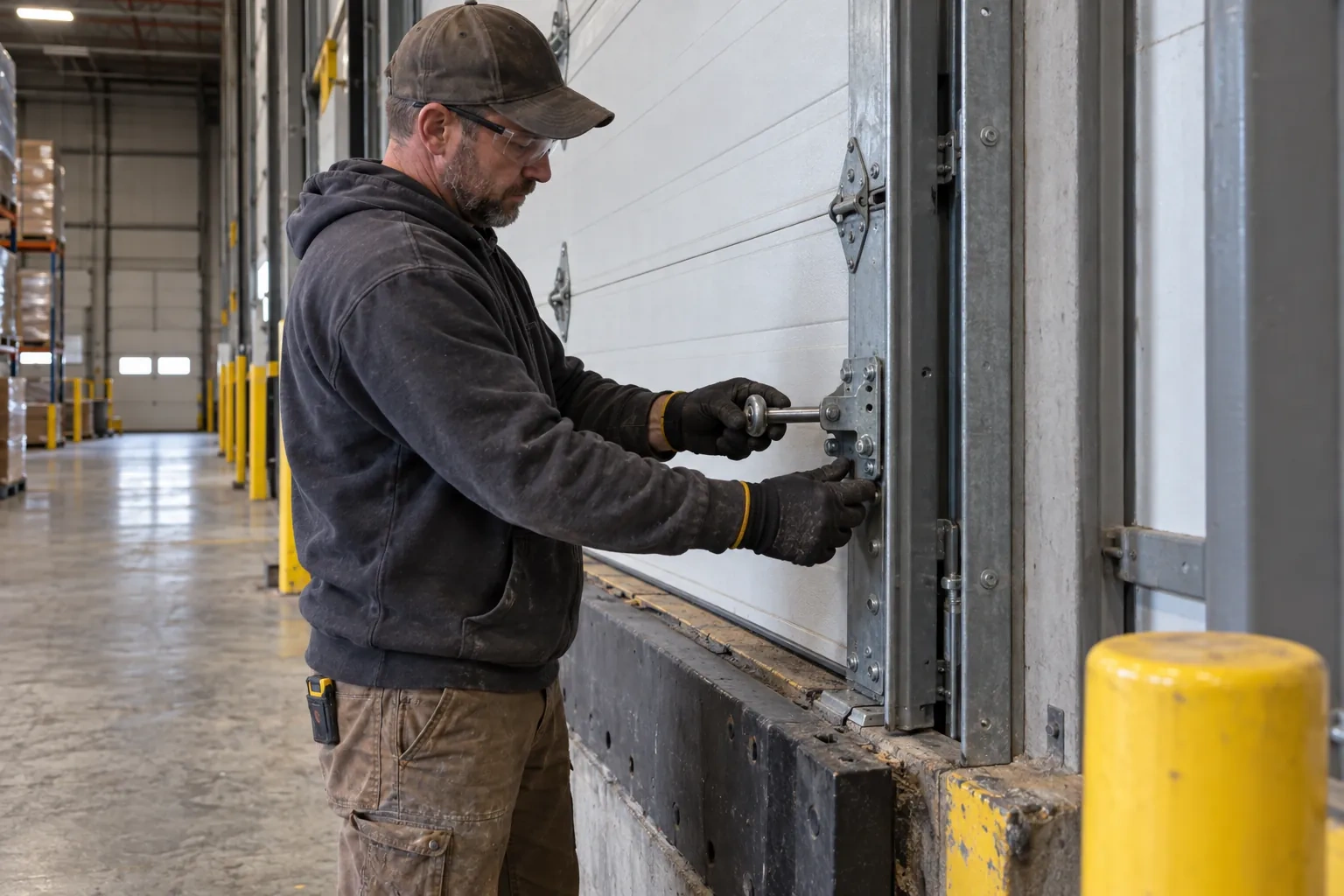
Bent or shifted guides are corrected from measured reference points rather than by forcing the curtain through them. The technician establishes the required gap, plumb and parallel relationship, then straightens or replaces authorised guide components and restores loose wall-angle or bracket fasteners. Bellmouths are shaped to receive the curtain cleanly, and guide stops are secured. If damaged masonry, steel framing or a moved jamb prevents reliable attachment, that condition is separated for the appropriate building work. Once the supports are sound, the curtain is centred and moved gradually to confirm even clearance on both sides.
A maintenance baseline for the facility
The completed service record becomes the starting point for routine door care. It can list the installed door and operator, repaired components, observed wear, test results and the manufacturer's inspection interval. Facility checks focus on visible conditions: new rub marks, loose fasteners, damaged slats, uneven bottom-bar position, frayed wiring, dirty sensor faces and changes in sound or operating effort. Spring tension and internal repairs remain technician work. Scheduling periodic inspection around the actual cycle count, exposure and manufacturer guidance makes future conversations specific and allows small changes to be compared with a known condition.
Commercial Rolling Door Repair
In the van
Barrel and headplate brackets
Bearings and tension wheel
Sensing edge and controls
Curtain slats and endlocks
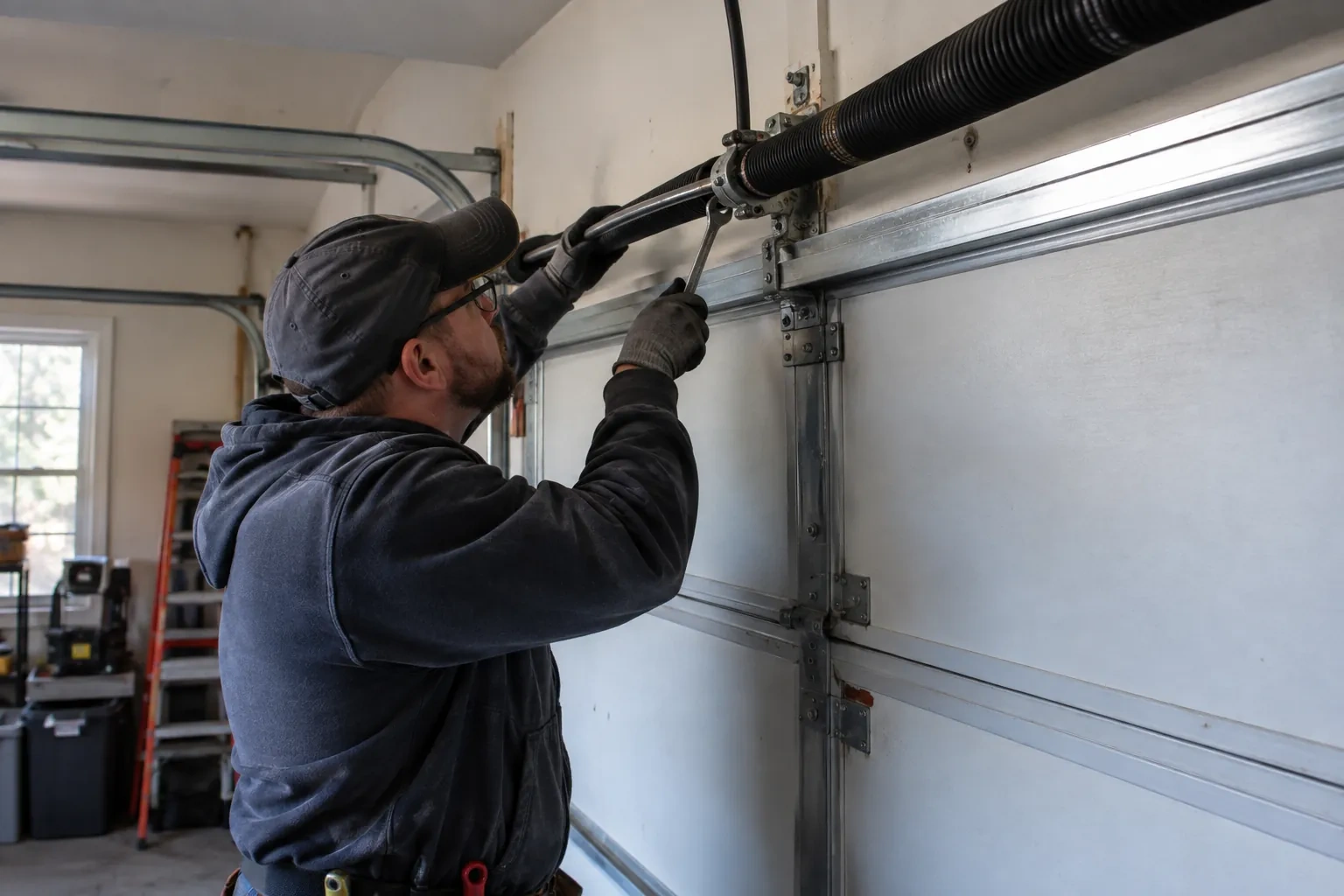
Counterbalance spring assembly
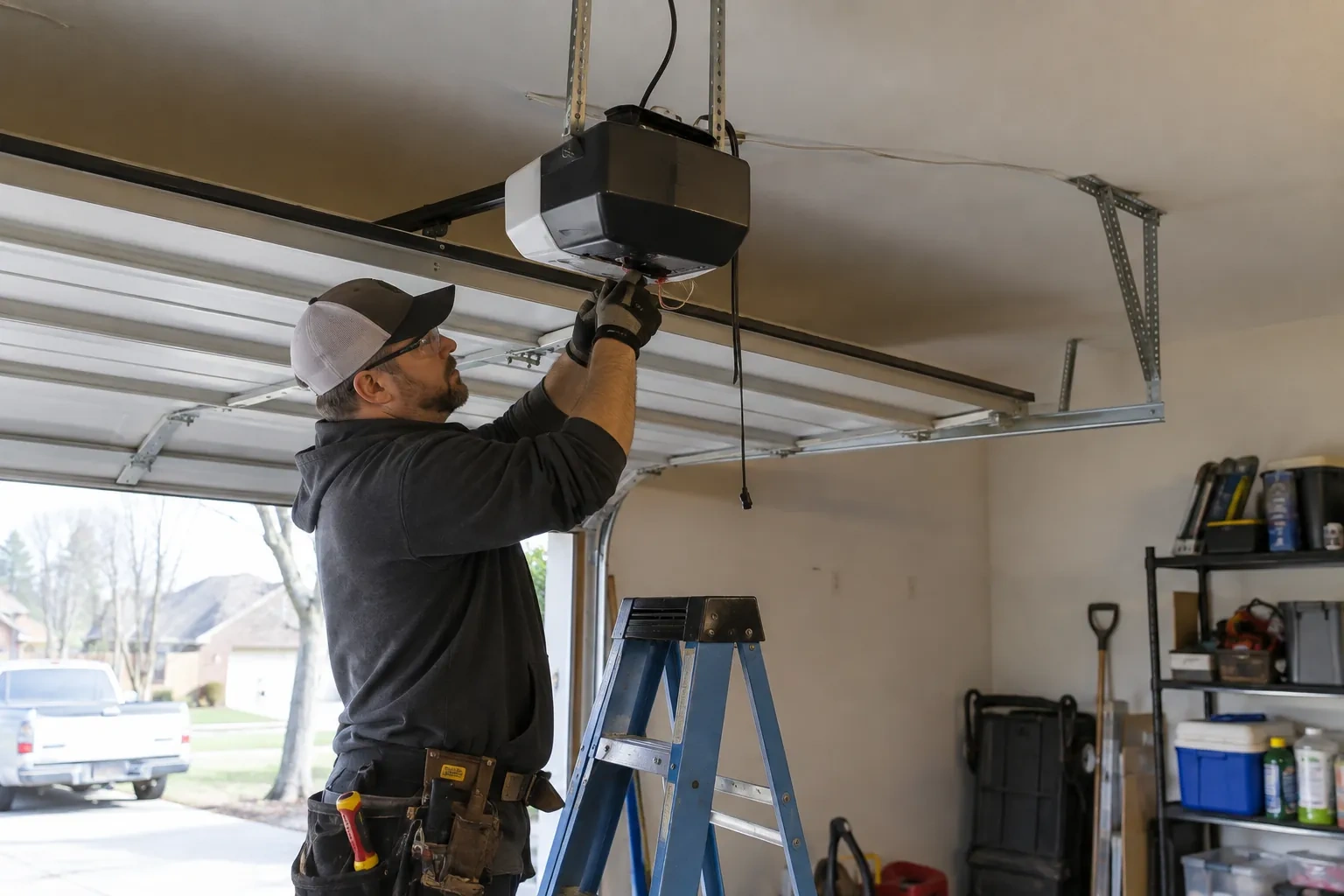
Commercial Rolling Door Repair
What affects the quote
Manual drive components
Direct push-up operation, a hand-chain hoist or another manual drive has its own chain, wheel, reduction and keeper parts. Wear and accessibility determine the tasks included.
Curtain position when work begins
A curtain resting closed, stopped mid-travel or held near the hood presents a different securing and access plan. Its position affects how components can be reached and supported.
Traffic-control requirements
Loading schedules, pedestrian routes, lift-truck lanes and access to both faces determine how the work zone is maintained. Facility support and alternate routing form part of the service plan.
What to have ready
- Does the curtain carry a visible fire-protection label?
- Are door, operator or previous service records available?
- Is the door push-up, hand-chain or motor operated?
Commercial Rolling Door Repair: questions
QuestionsWhy does the door stop and reverse while closing?
A photoelectric beam may be blocked, a sensing edge may be active, the curtain may meet resistance, or the operator may be responding to a monitored-device or limit condition. The inspection keeps these possibilities separate. Sensor placement, alignment and response are checked alongside free mechanical travel and the operator's documented control logic.
How should we prepare the loading area?
Move vehicles, pallets and loose packaging away from both faces of the opening, and identify an alternate route for staff and deliveries. Provide access to the control station, disconnect and any door records. A facility contact who understands normal operation and can authorise testing makes it easier to reproduce the complaint under controlled conditions.
When is operator replacement considered?
A broader operator plan may be considered when major drive or control parts are extensively worn, suitable components are no longer supported, the unit is mismatched to the door or duty, or the desired control arrangement requires a different system. The door's balance, size, cycle pattern, protection devices, power and manual operation all inform that decision.
Related services
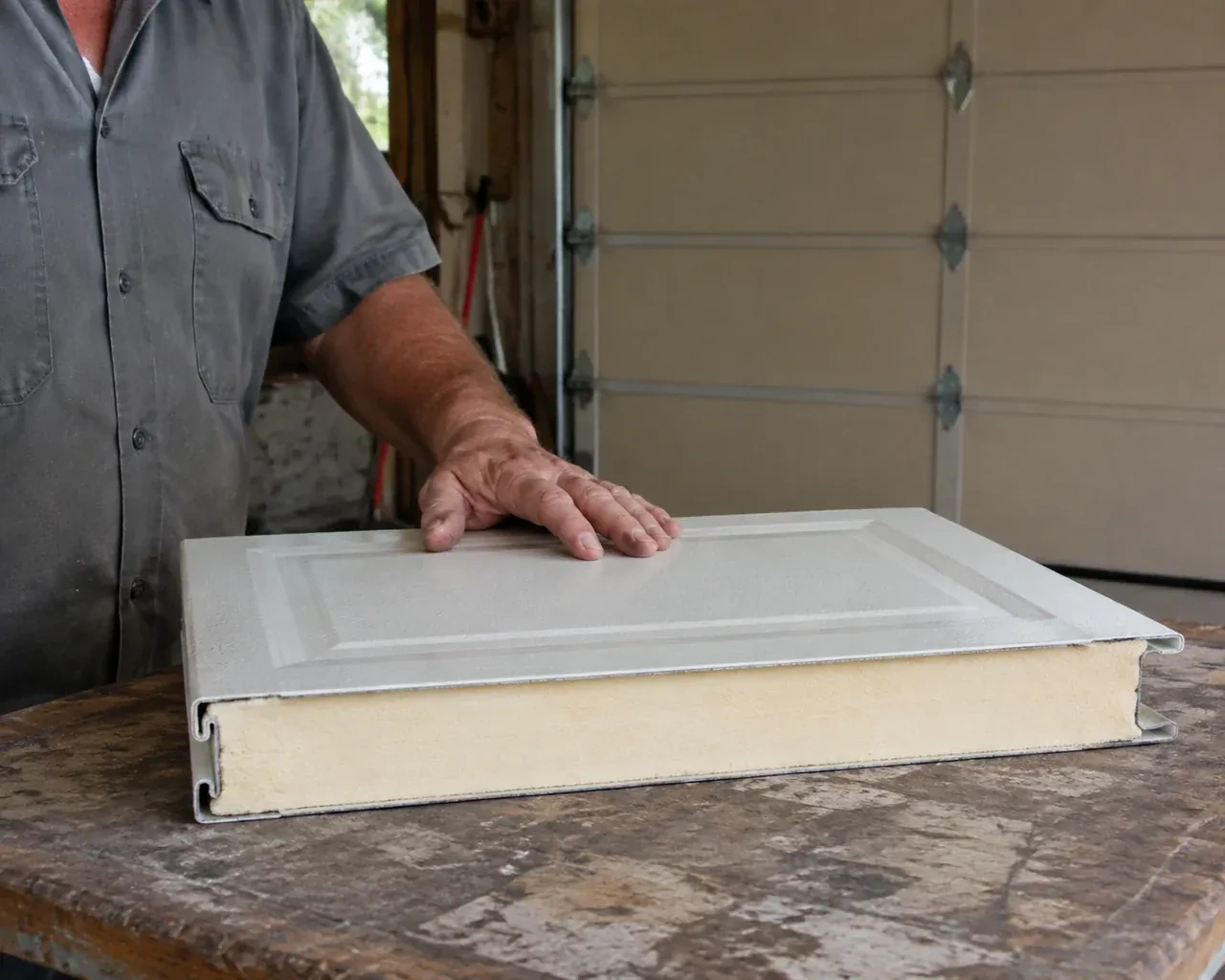
- Insulated Steel Garage Door InstallationYou want windows for natural light without turning the garage into a cold glass wall.
- Wind-Rated Garage Door ReplacementYour renovation drawings call for a garage door with a stated design pressure, yet the existing door has no readable label or installation record.
- Carriage-House Garage Door InstallationYou appreciate the grain and depth of traditional wood doors, though regular refinishing is not part of your plan.