Garage Doors in Kawartha Lakes, OntarioThe garageis part of the house.
In most homes in Kawartha Lakes the door between the garage and the kitchen is the least guarded one, so the garage door itself matters for security. We make sure it closes and locks fully, replace worn emergency-release cords, add a manual lock where wanted, and clear old codes from the opener. This page also covers Kenrei Park and Pickerel Point.
In most homes in Kawartha Lakes the door between the garage and the kitchen is the least guarded one, so the garage door itself matters for security. We make sure it closes and locks fully, replace worn emergency-release cords, add a manual lock where wanted, and clear old codes from the opener. This page also covers Kenrei Park and Pickerel Point.
Balanced, quiet and ready for winter.
Landlords and property managers in Kawartha Lakes get a written summary after every visit: the address, what was found, what was replaced, and what is likely to need attention next. Tenants get a door that works and remotes that behave. Everyone knows where things stand without a second phone call.
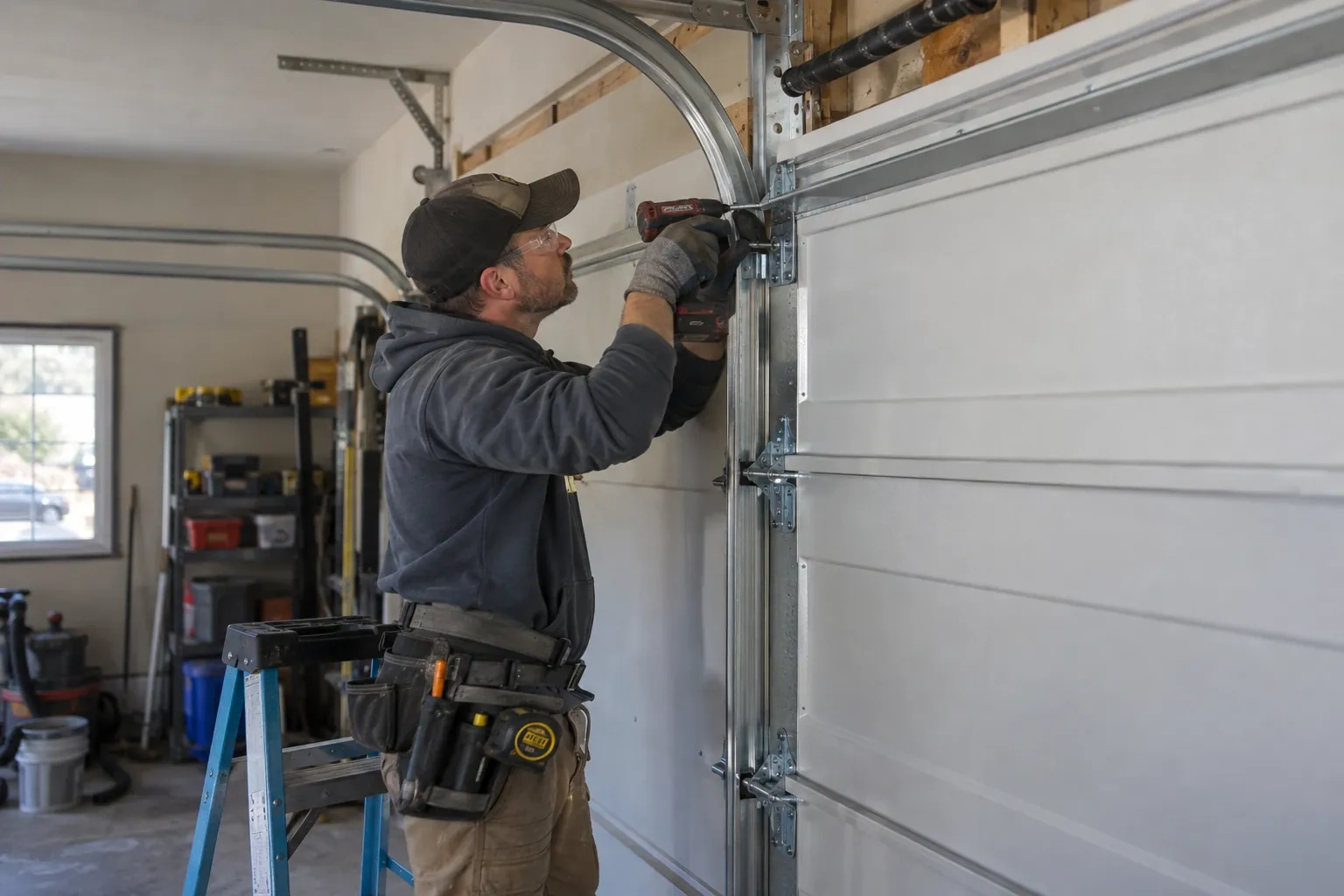
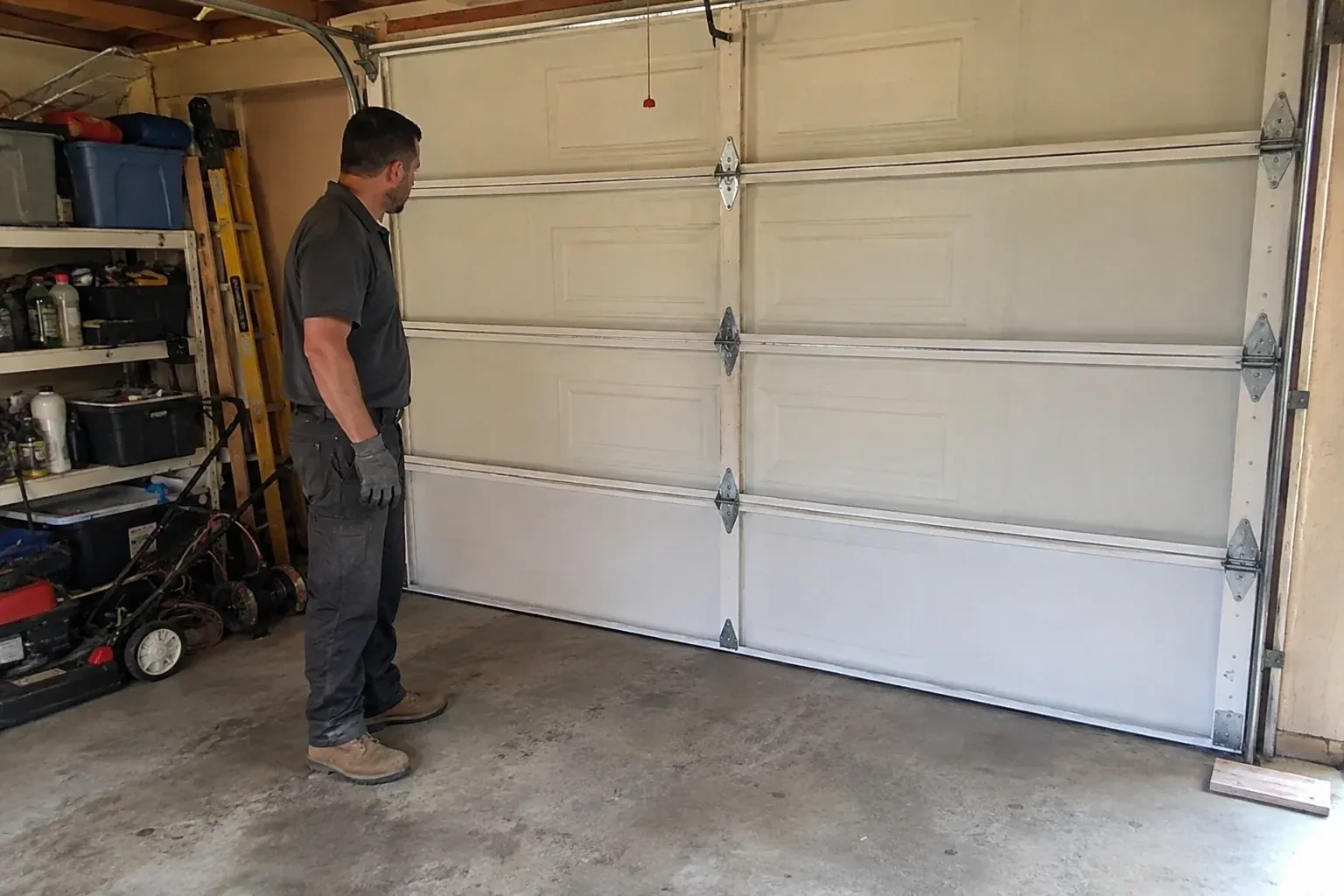
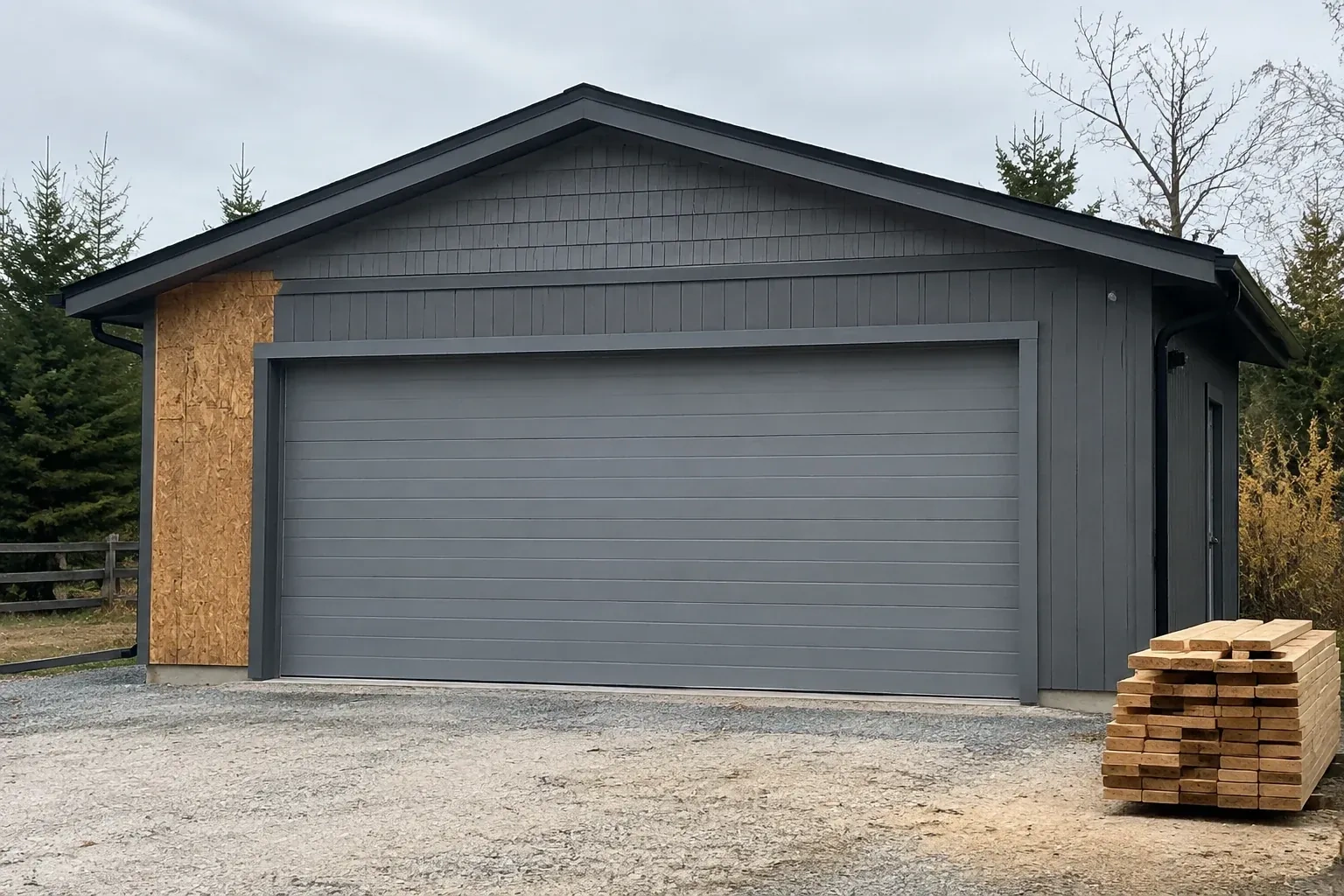
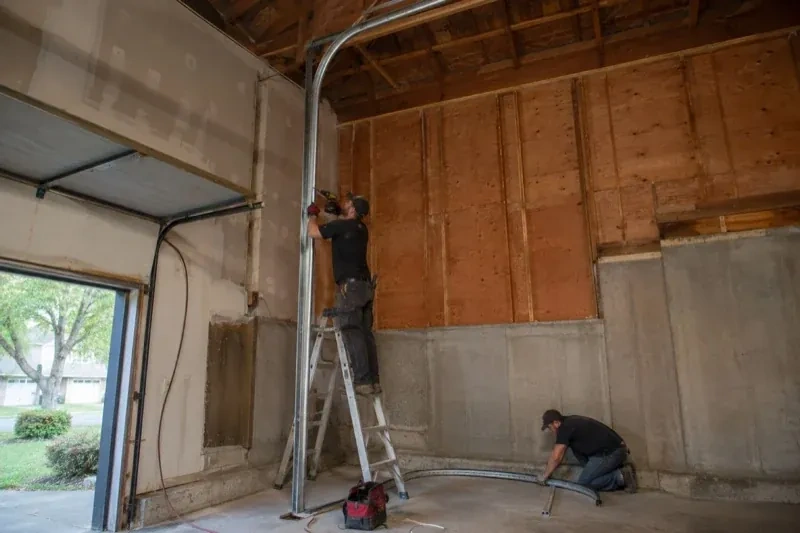
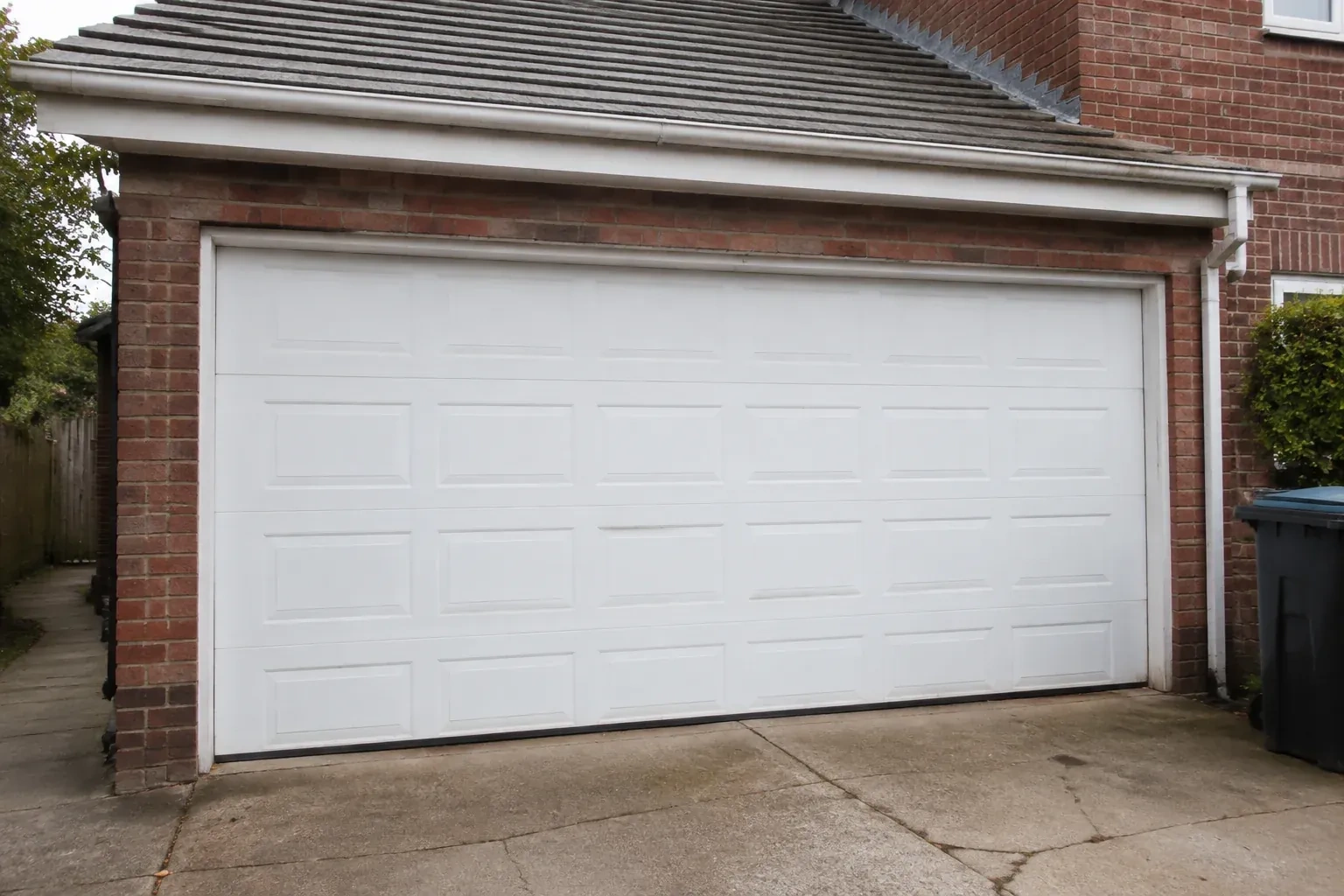
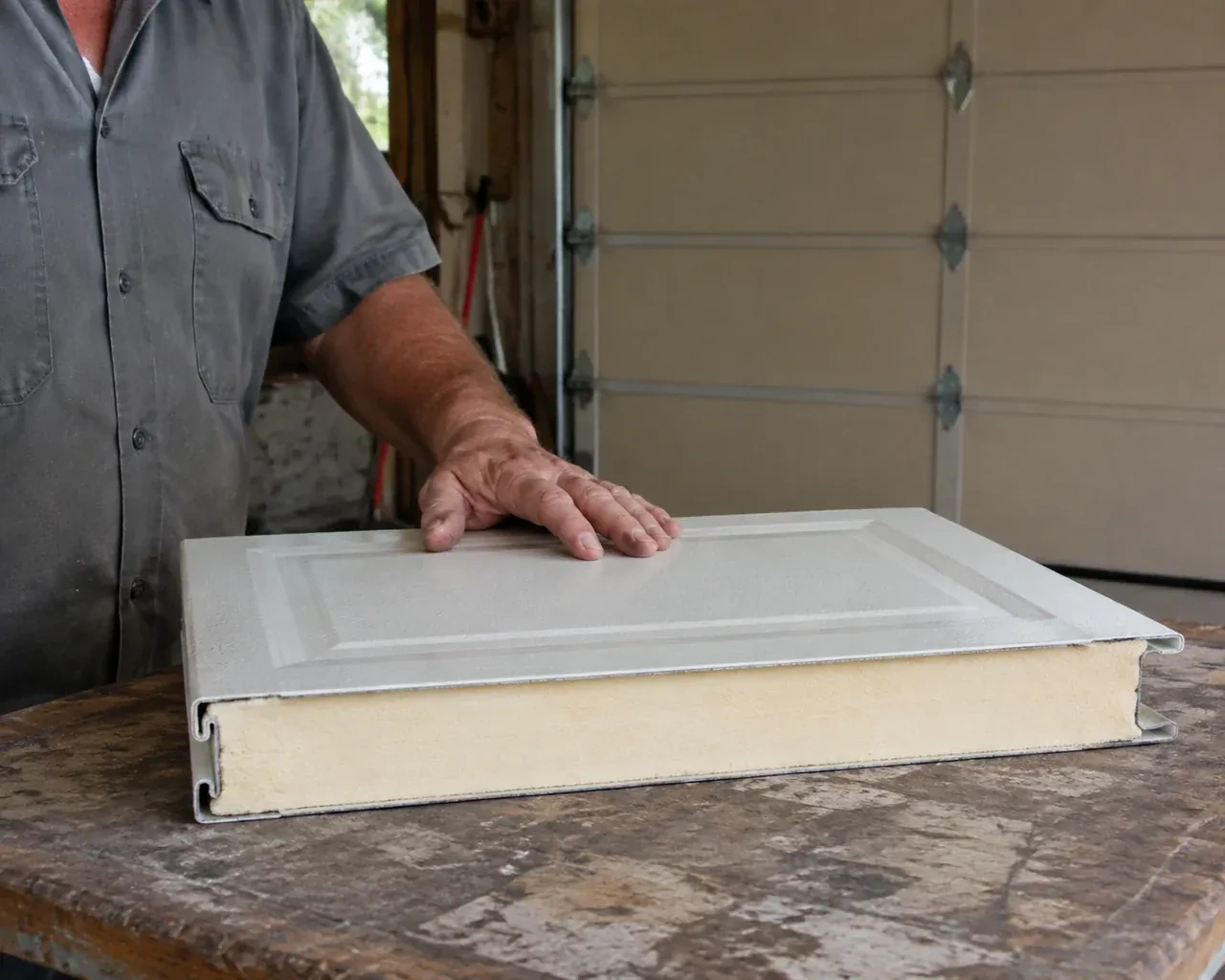
Choosing a new garage door in Kawartha Lakes is a decision about the front of your house as much as about the garage, and we treat it that way. A technician measures the opening, checks the headroom and framing, and brings real samples of insulated steel, carriage-house and glass designs. The door is installed carefully, balanced properly and demonstrated fully before we leave.
35years in business
24/7open every day
Real explanations. Every recommendation comes with the reason behind it, in words that make sense to someone who has never opened an opener.
Care in your space. We work around bikes, tools and vehicles carefully, protect what needs protecting, and leave the garage clean.
No pushing. You hear the choices once, clearly. Whether to go ahead, wait or take a different route is yours to decide.
Request a garage door assessment in Kawartha Lakes.
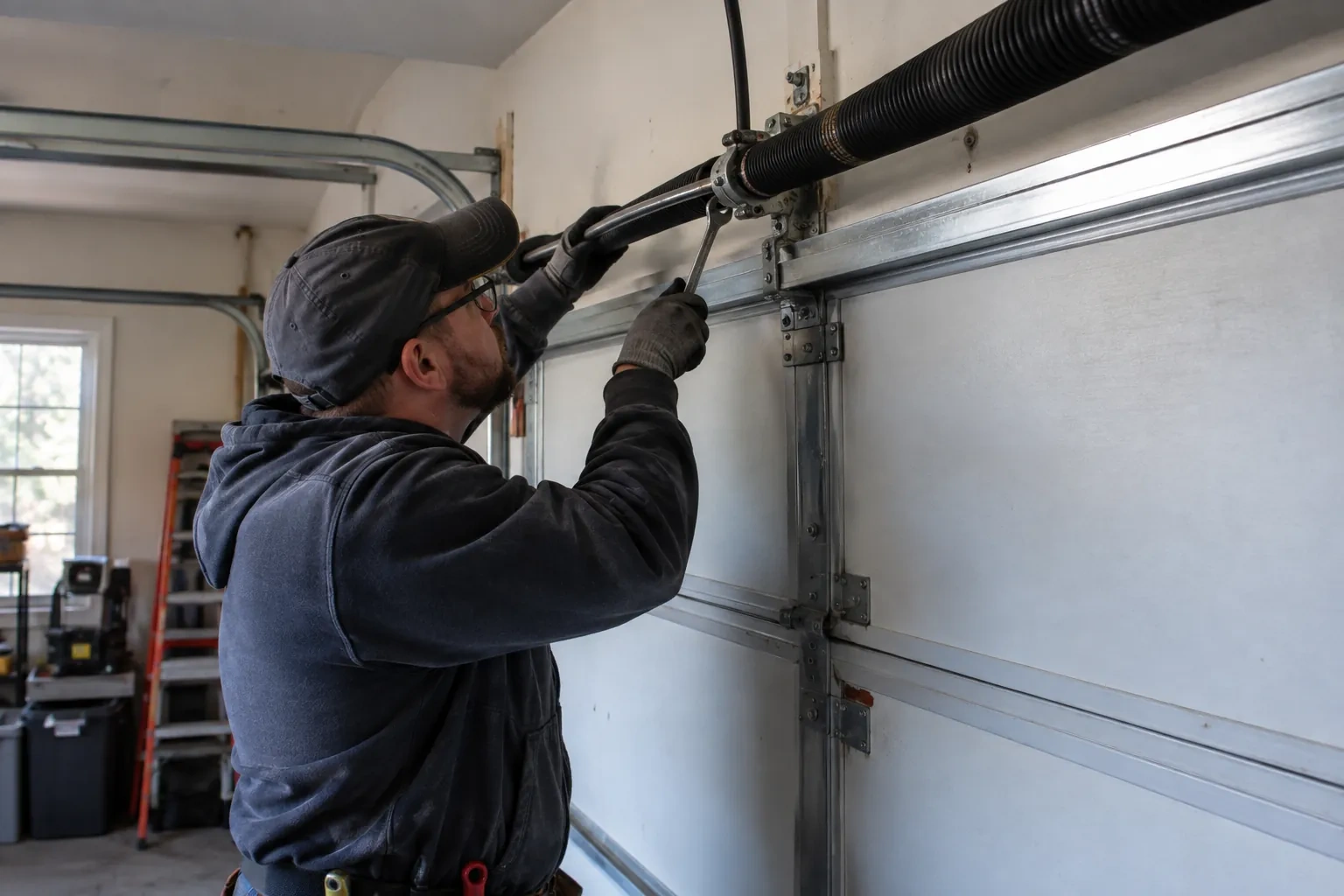
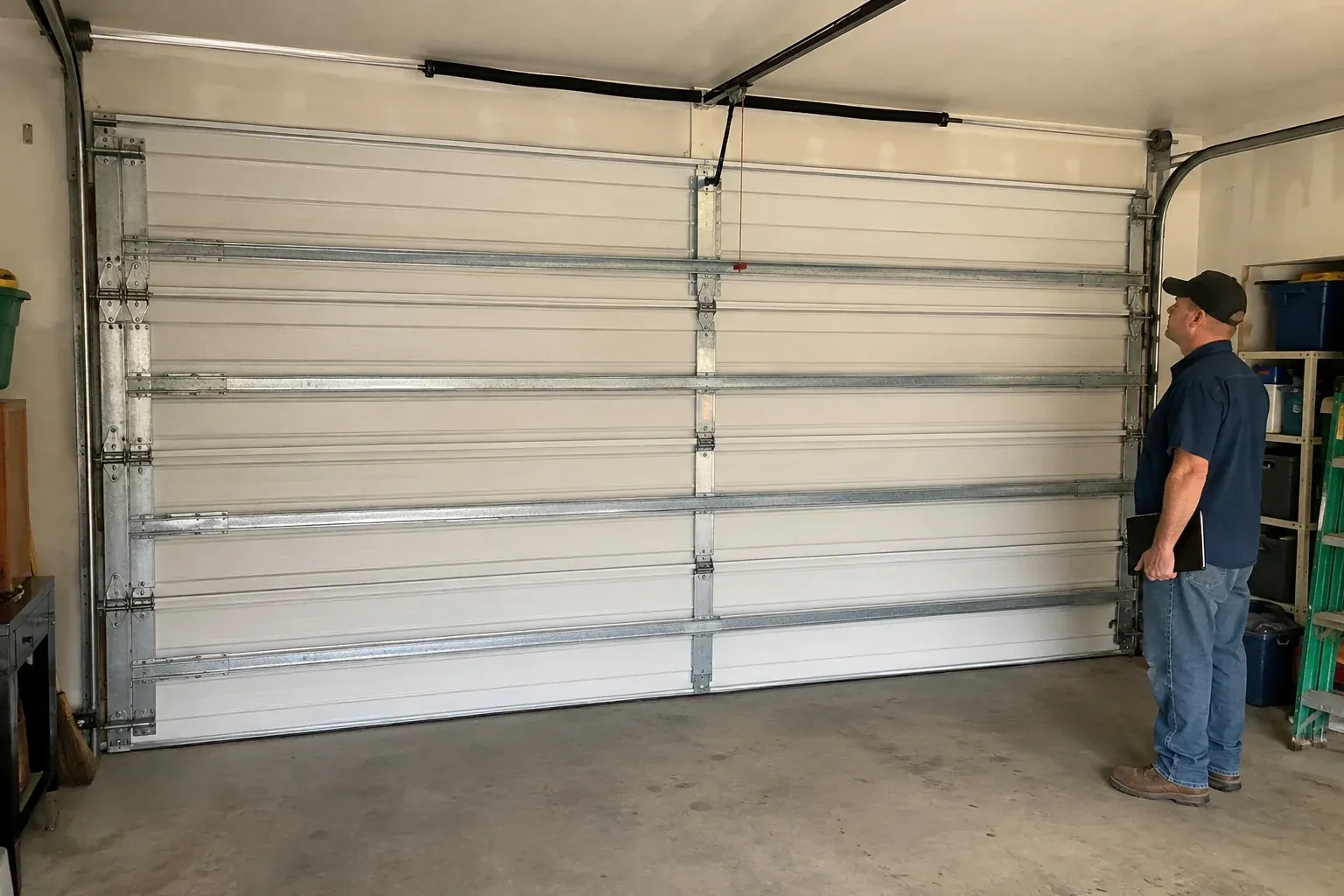
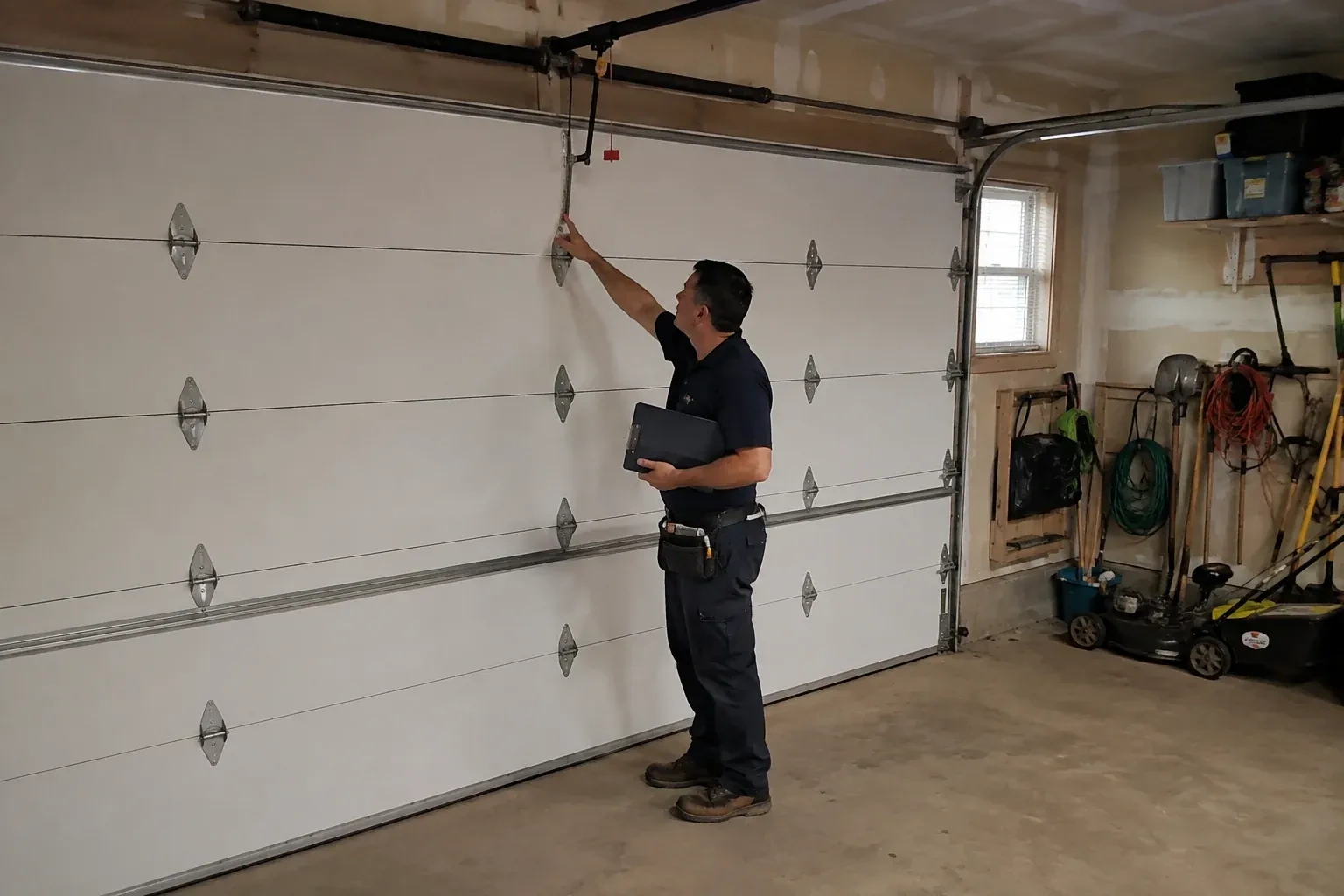
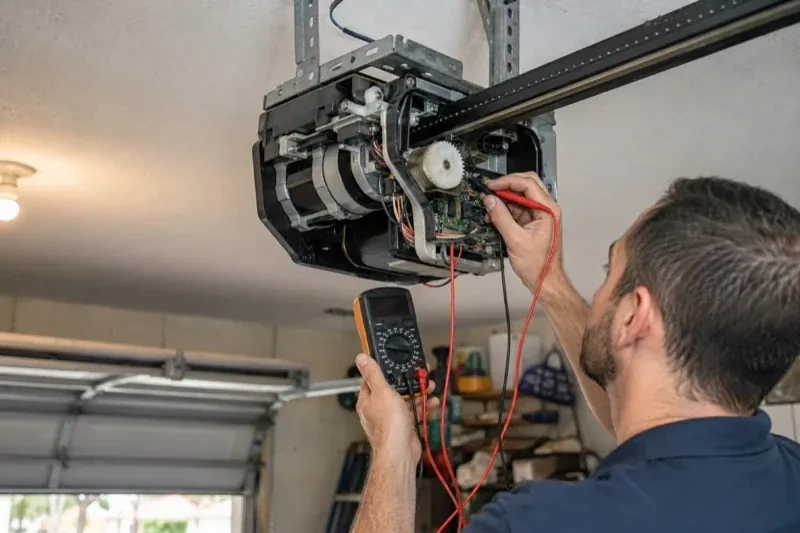
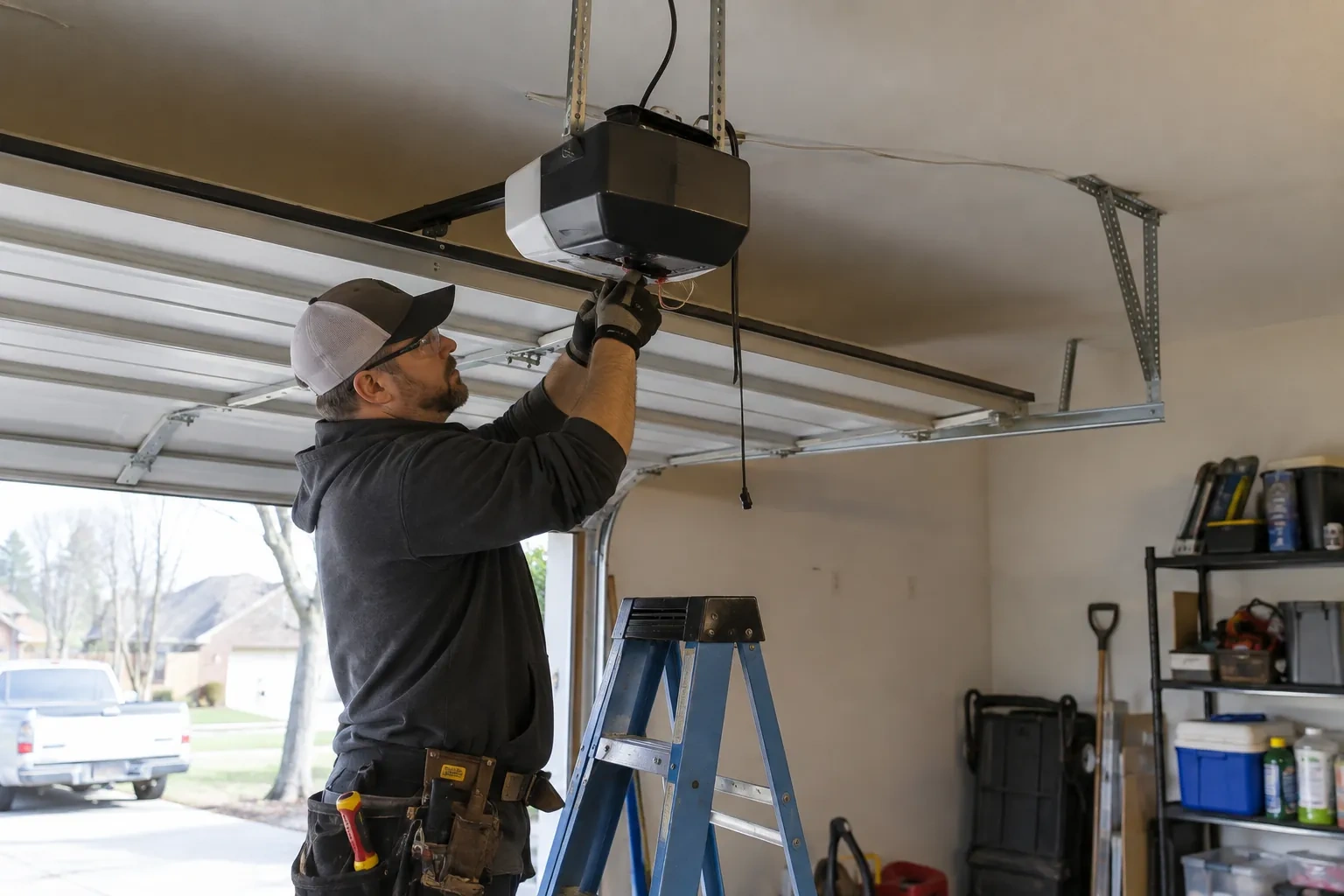
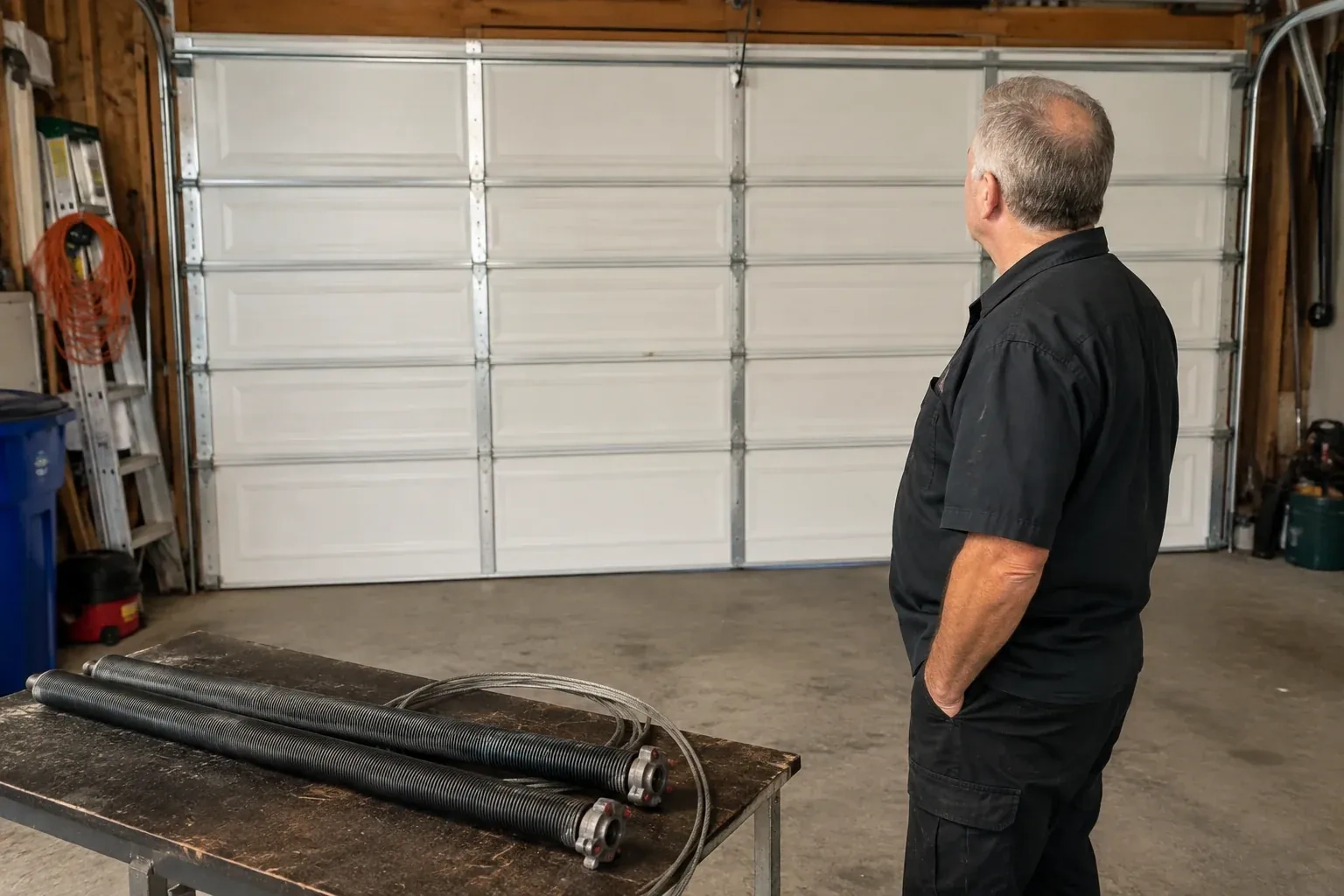
Our technicians arrive in Kawartha Lakes ready for the everyday repairs: torsion and extension springs, lifting cables and drums, rollers, hinges, bottom seals, photo-eyes and opener gears. For bigger decisions, such as a new insulated door or a modern opener, we measure, advise and install as a separate service.
About 56% of homes in Kawartha Lakes were built in 1980 or earlier, according to the 2021 Census.
Older homes
Older garages are frequently used as workshops or storage as much as parking, which means the door opens many times a day and collects dust on the sensors. Sealed rollers, protected photo-eyes and a tune-up schedule suit that pattern well.
Single-detached houses make up about 84% of homes in Kawartha Lakes (2021 Census).
Mostly houses
Where most homes are single-detached, nearly every property has its own garage door and its own opener, and the homeowner makes every decision about it. That makes for straightforward visits: one door, one owner, and a repair or replacement chosen at the house without anyone else to consult.
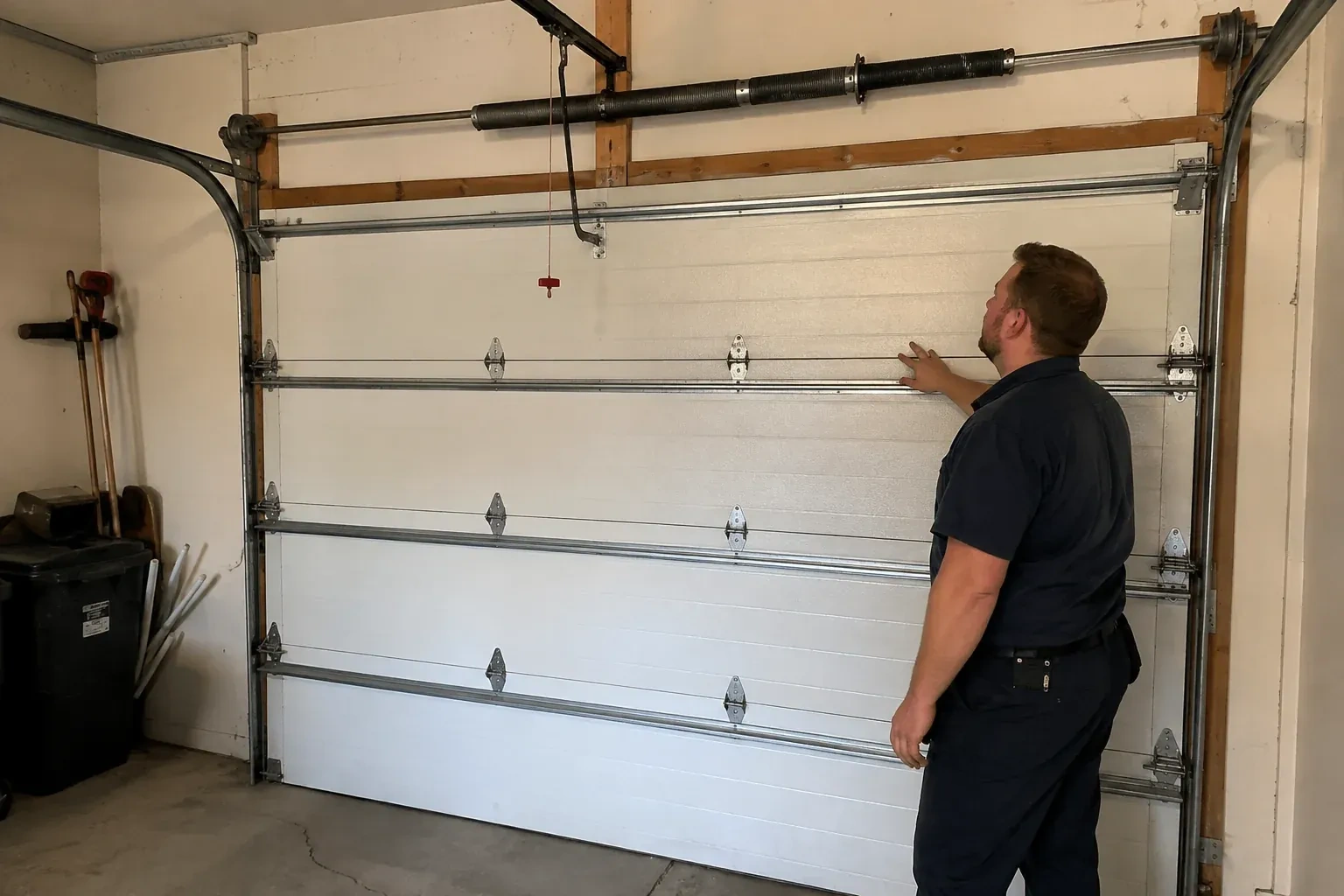
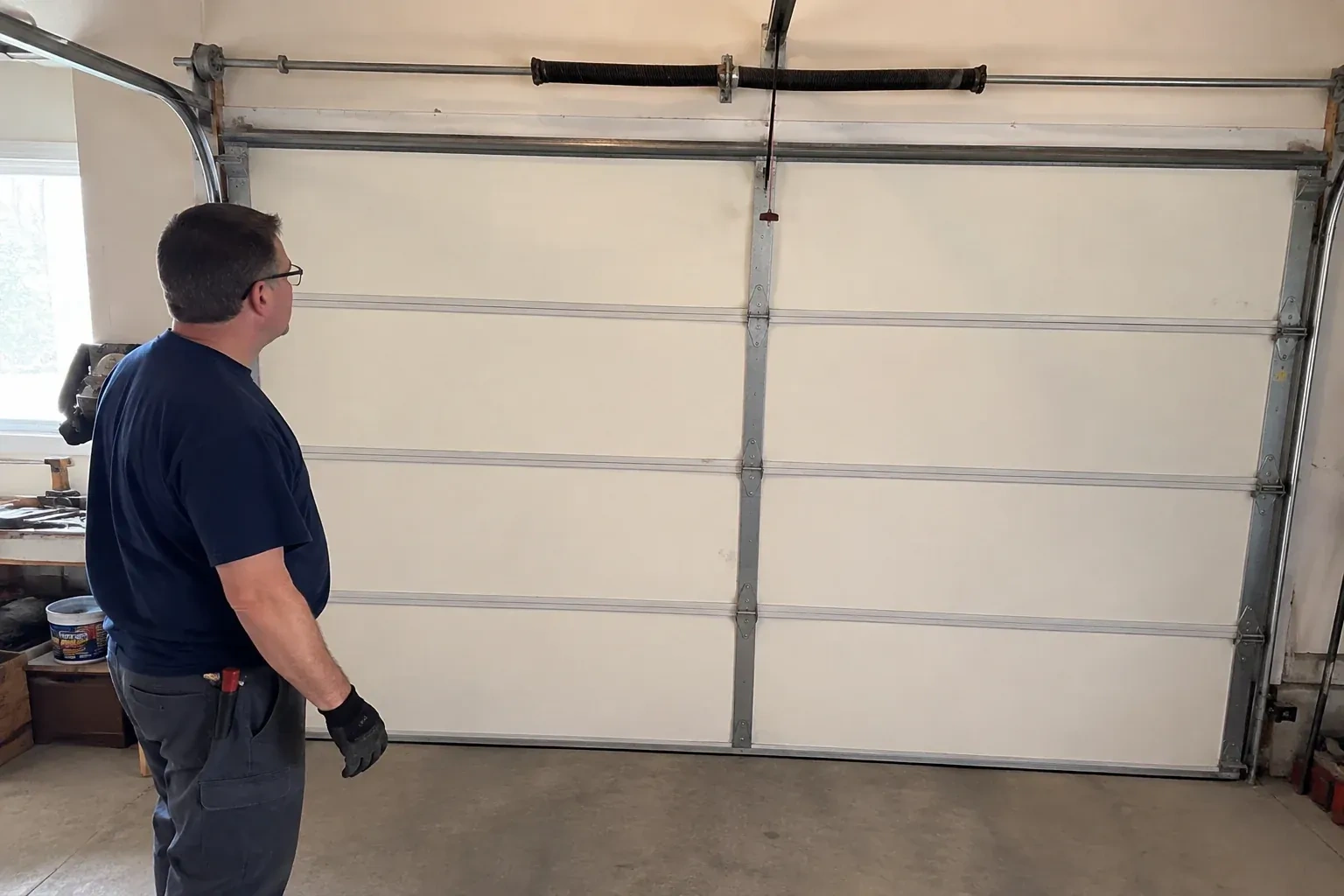
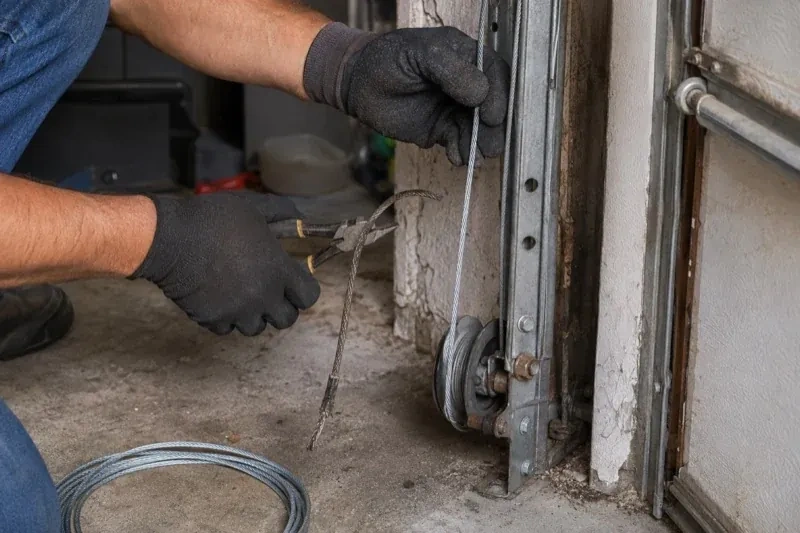
Springs have a working life measured in cycles, and most doors reach it eventually. We fit replacements sized for your door, install safety cables where they belong, and test the balance by hand.
Every morning the door announces itself: a rattle on the way up, a grinding squeal on the way down, loud enough that the neighbours know when you leave.
Choosing a door means weighing insulation, windows, panel style, colour and how quiet you want it. We walk through the choices in plain language and install what you settle on.
Press the button and the opener hums for a second, then quits. The trolley is jammed hard against a bolt at the very end of the rail near the motor and will not budge in either direction.
Someone tightened the belt last month to stop the sag. Now the opener sounds like a chain drive, the motor labours on the way up, and the whole rail vibrates under the ceiling.
Press the button and the motor hums, but the door stays exactly where it is. Under the housing there is a dusting of white plastic shavings, the sign of a stripped drive gear, and this is the second time it has happened.
Someone backed the car in a little too far, a bin or a bicycle brushed the track, and since then the door starts to close and comes back up. One sensor now sits at a slightly different angle from the other.
Your daughter gets home from school an hour before anyone else. She has lost two house keys this year, and the garage keypad code has been shared with half her class.
A previous owner knotted the release cord around the rail and stacked storage shelves right beneath it. You only discovered this in the dark, with the power off, a flashlight in your teeth and a car that needed to be somewhere.
Which fix fits?
You misjudged the last metre of the driveway and felt the bumper meet the door.
WhyBy the end of the visit you have a door that closes from every control and reverses the instant the beam is broken, a sensor pair mounted level at the right height with steady indicator lights, wiring that is secured and out of harm's way, and a written note of what was found and what was changed.
You are combining two narrow garage bays into one broad opening.
WhyThis conversion is a measured redesign of an existing sectional-door system.
An entrance. Not an afterthought.
1/10Garage Door Panel Replacement
You misjudged the last metre of the driveway and felt the bumper meet the door. The bottom section now carries a crease across most of its width. The door still opens, but it shudders as that section reaches the curve in the track.
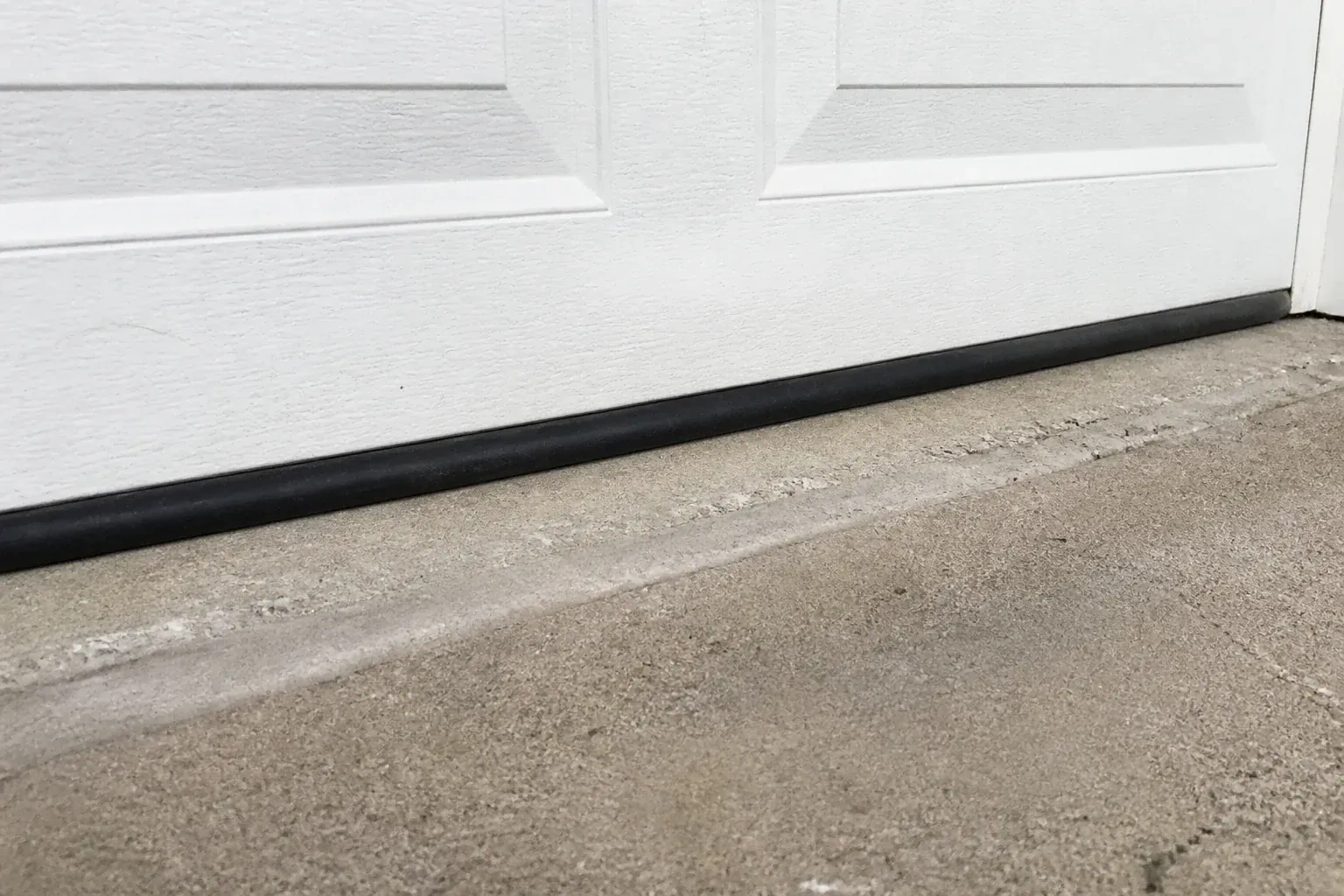
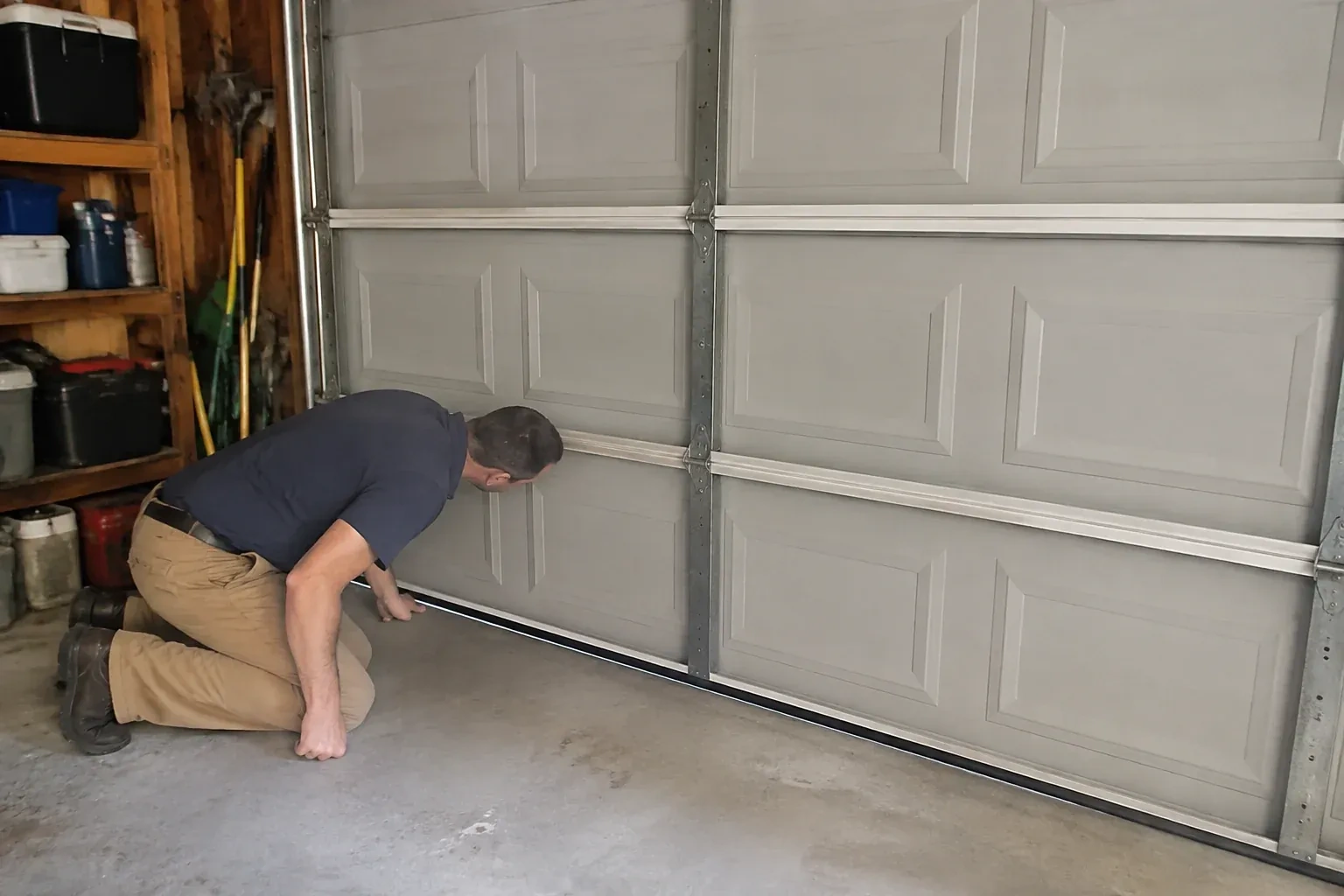
With the door closed and the lights off, a bright line of daylight runs along the floor from one side to the other. Leaves and grit have blown in under it and gathered in a neat drift against the back wall.
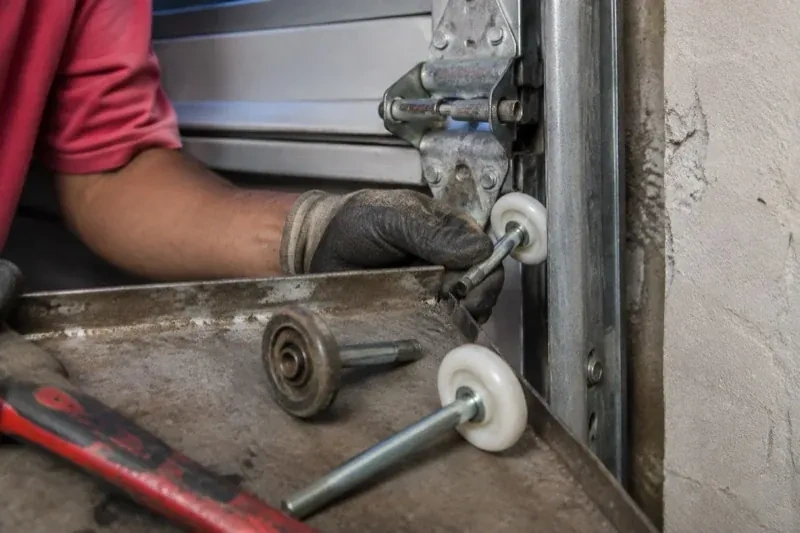
Since the cold snap the door has been stiff and noisy first thing, and after the last thaw the bottom corner began to judder. There is slush in the foot of the track and a bloom of rust on the lowest wheel.
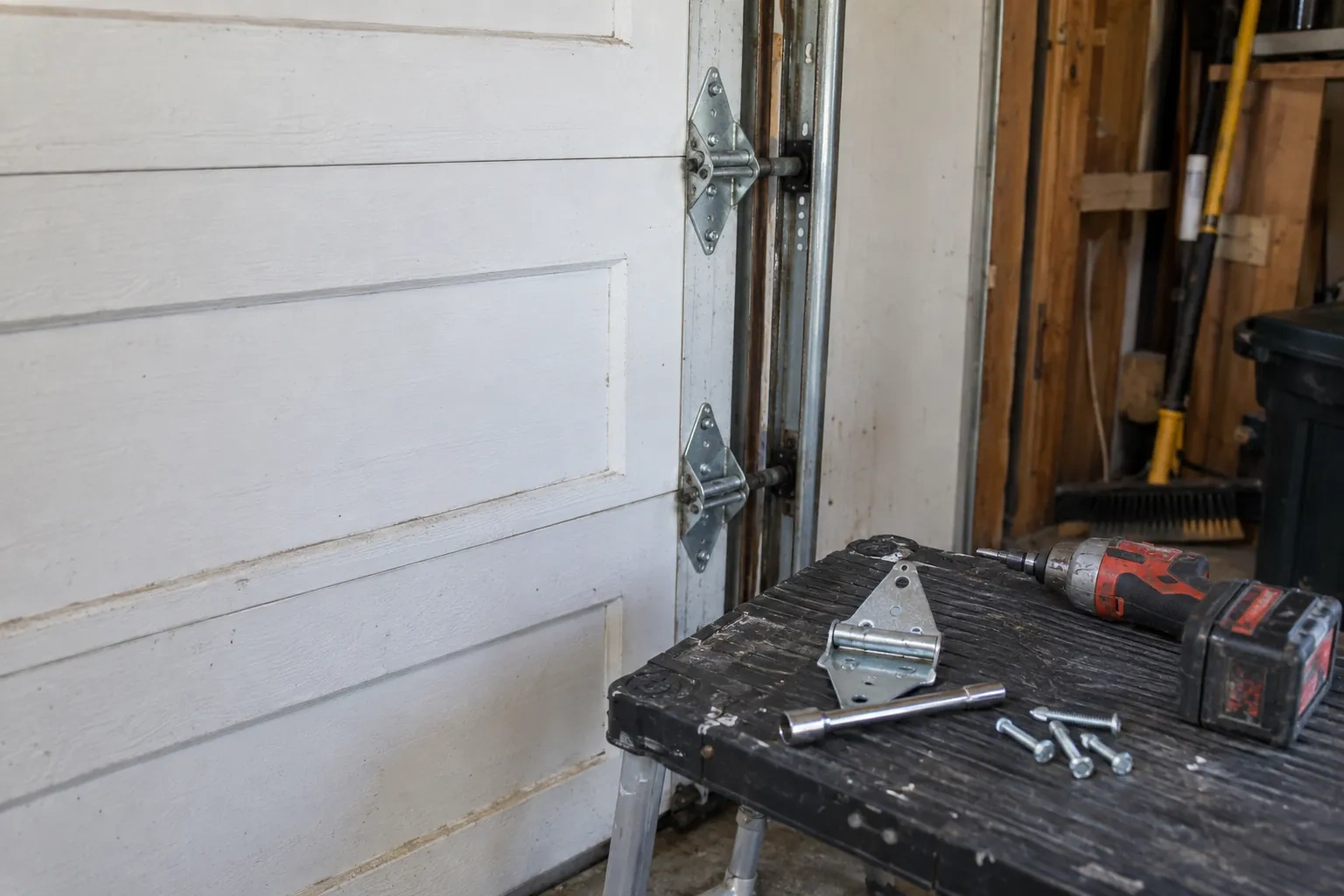
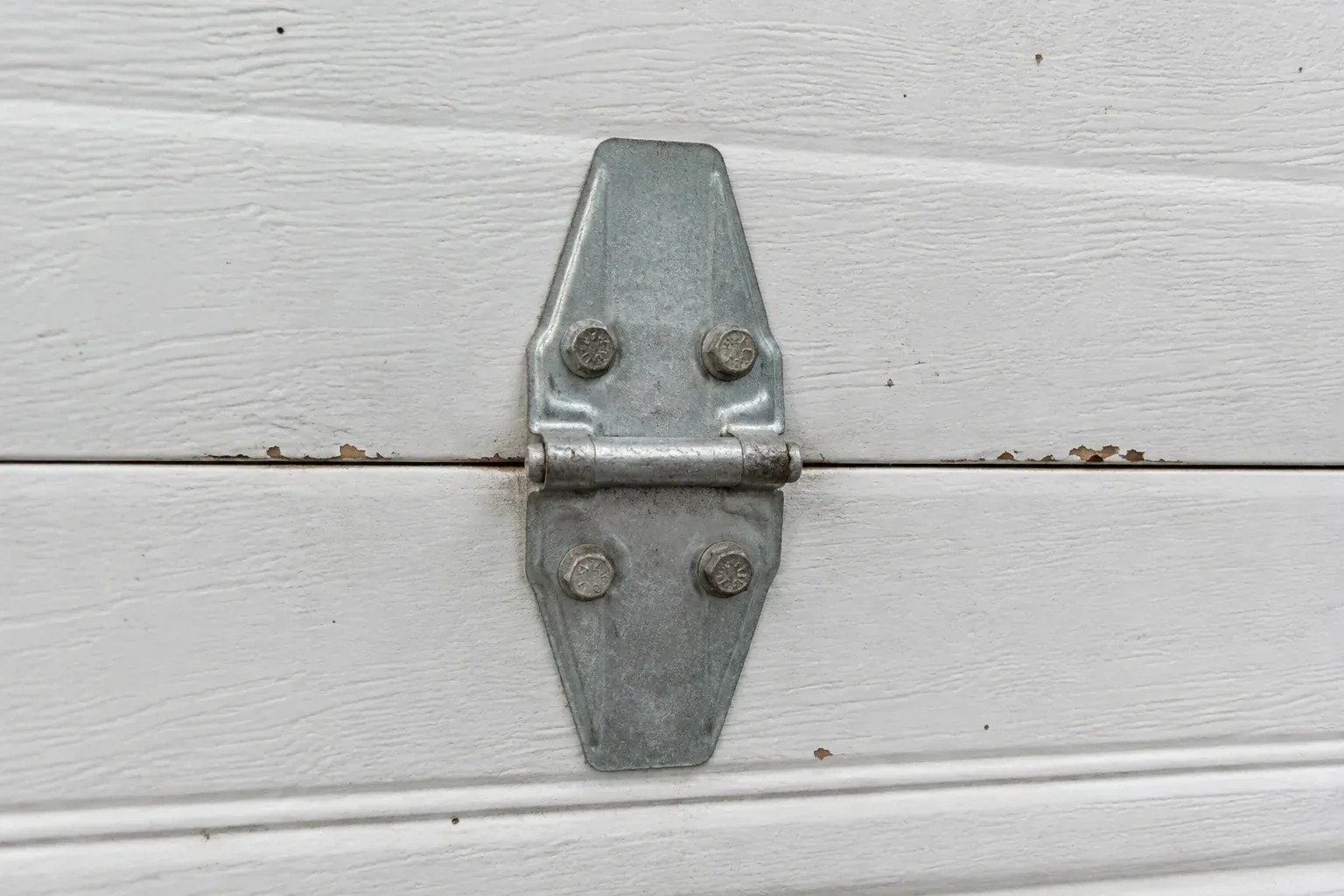
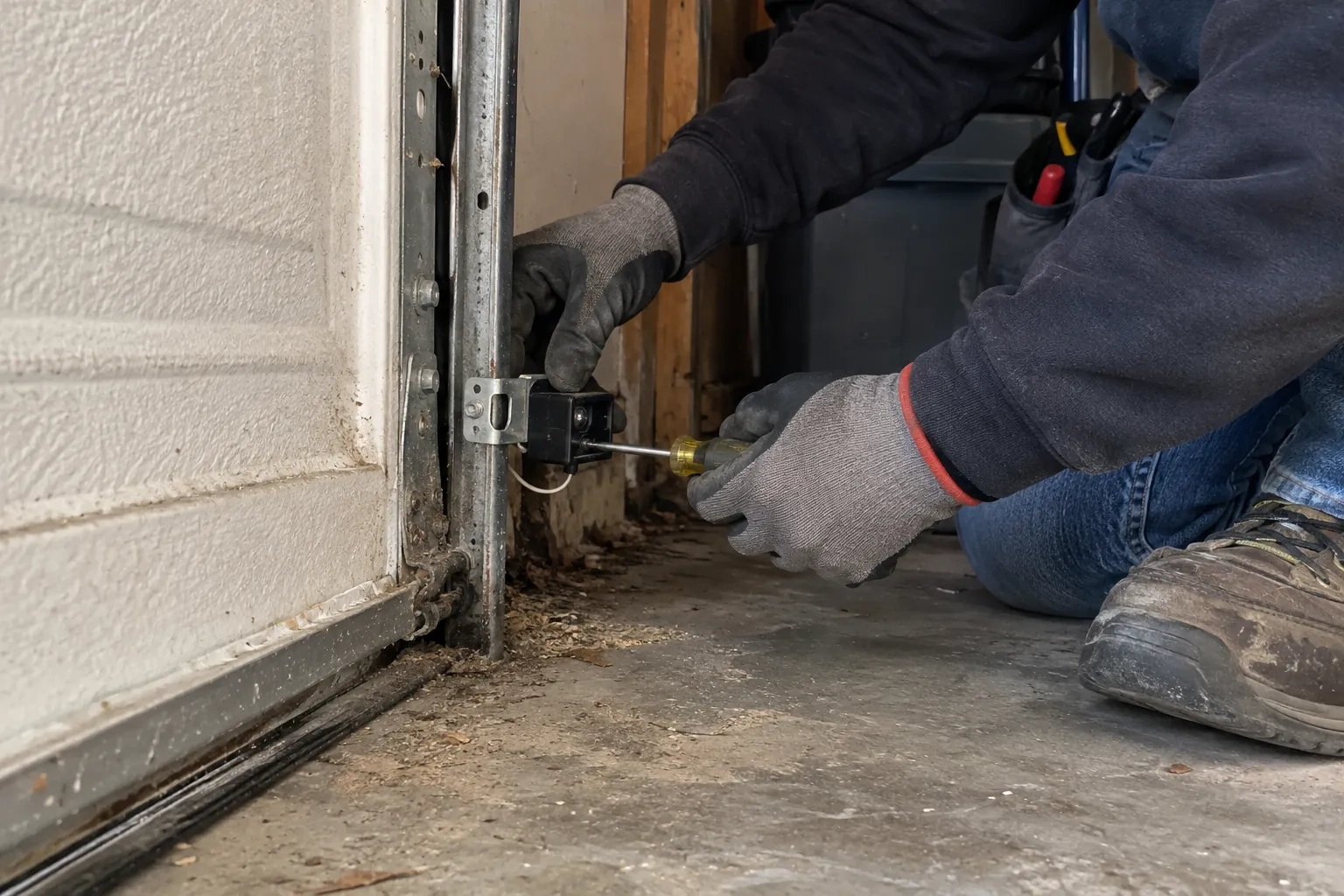
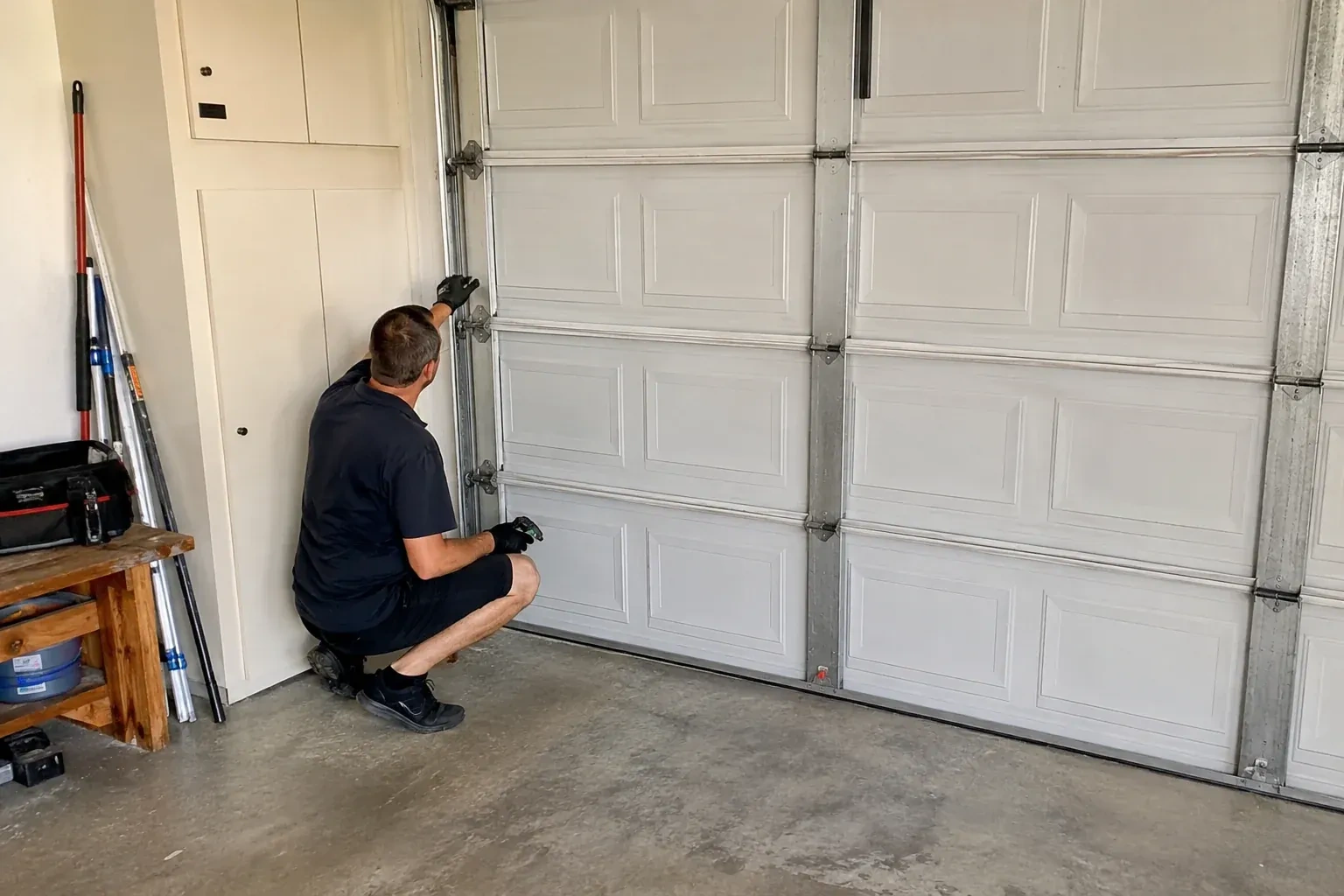
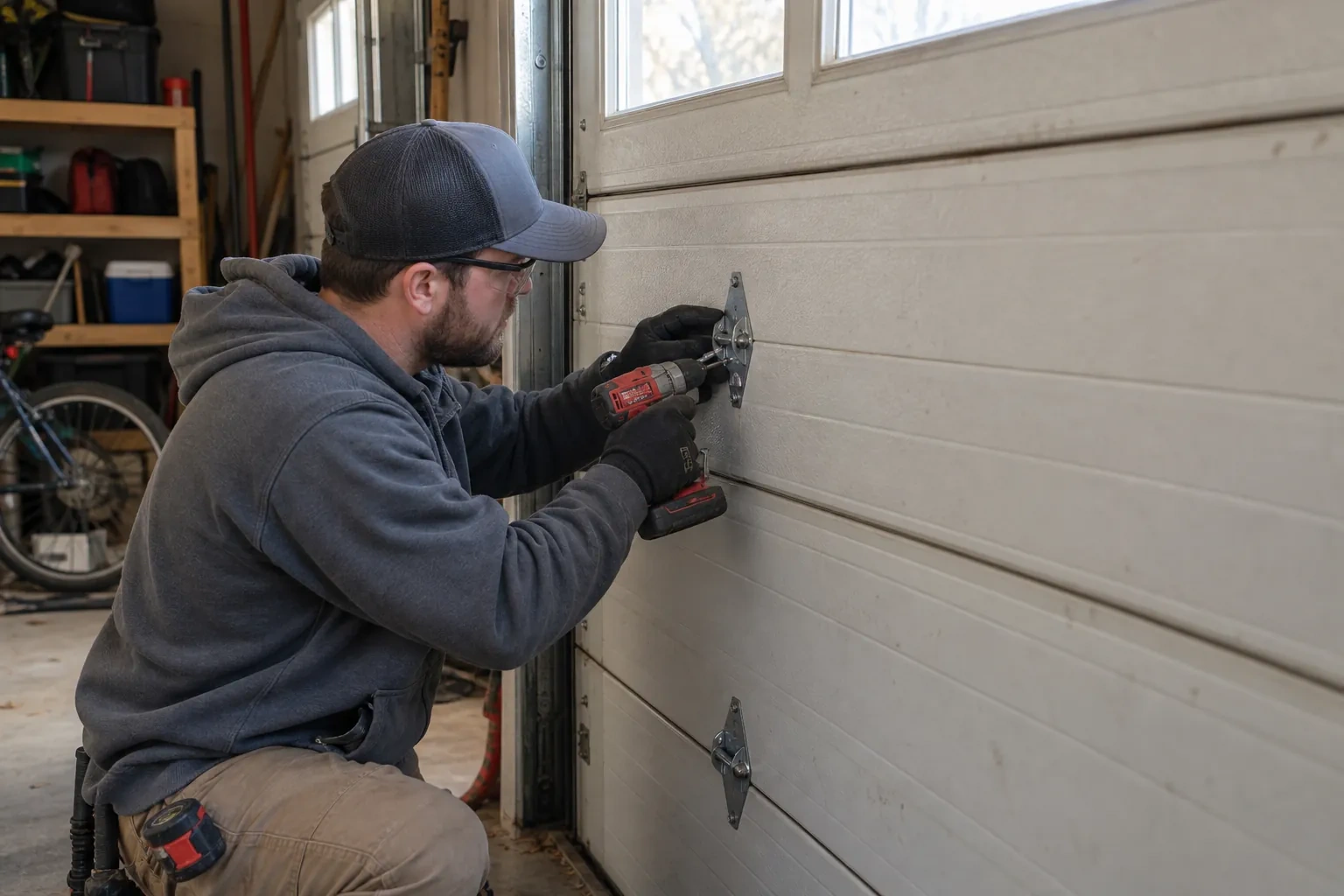
Pressing a hand against one of the middle hinges makes it rock on the panel. The screws turn and turn without ever tightening, and there is a rattle from that spot every time the door settles onto the floor.
With the door closed, daylight shows under one bottom corner and the seal is squashed flat at the other. As it rises, the left side leads by an inch or two, and the top section twists slightly as it turns into the horizontal track.
You press the remote, the door drops a few centimetres, then climbs straight back to the top while the opener light blinks. Nothing is under the door. It has done this every evening this week.
You are combining two narrow garage bays into one broad opening. The new door spans much farther than either old door, bringing section reinforcement, track strength, jamb attachment, and design pressure into the planning conversation.
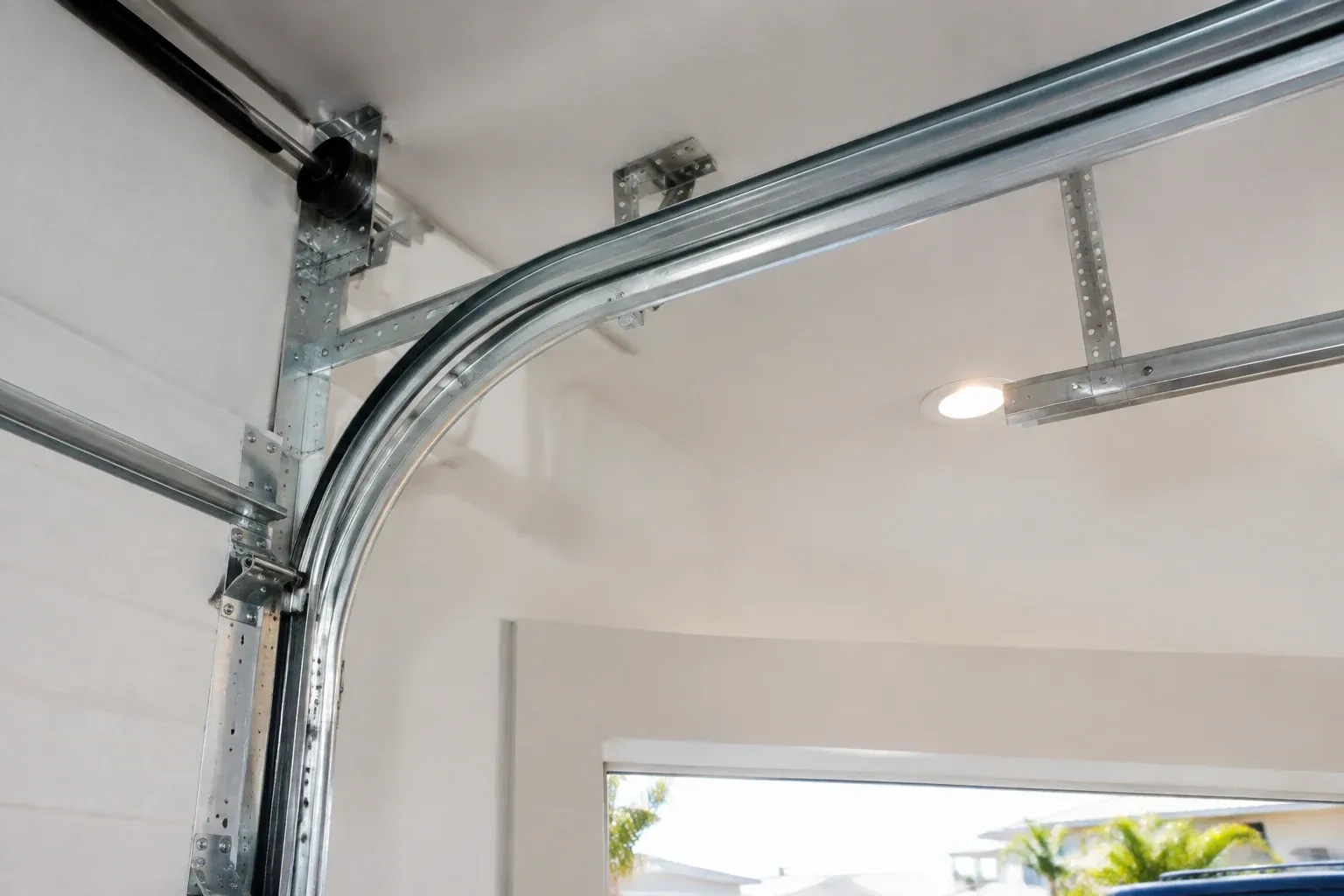
A beam, sloped ceiling or duct crosses the space above the new opening. The door still needs a clear path, which makes headroom, backroom and the right track arrangement central to the plan.
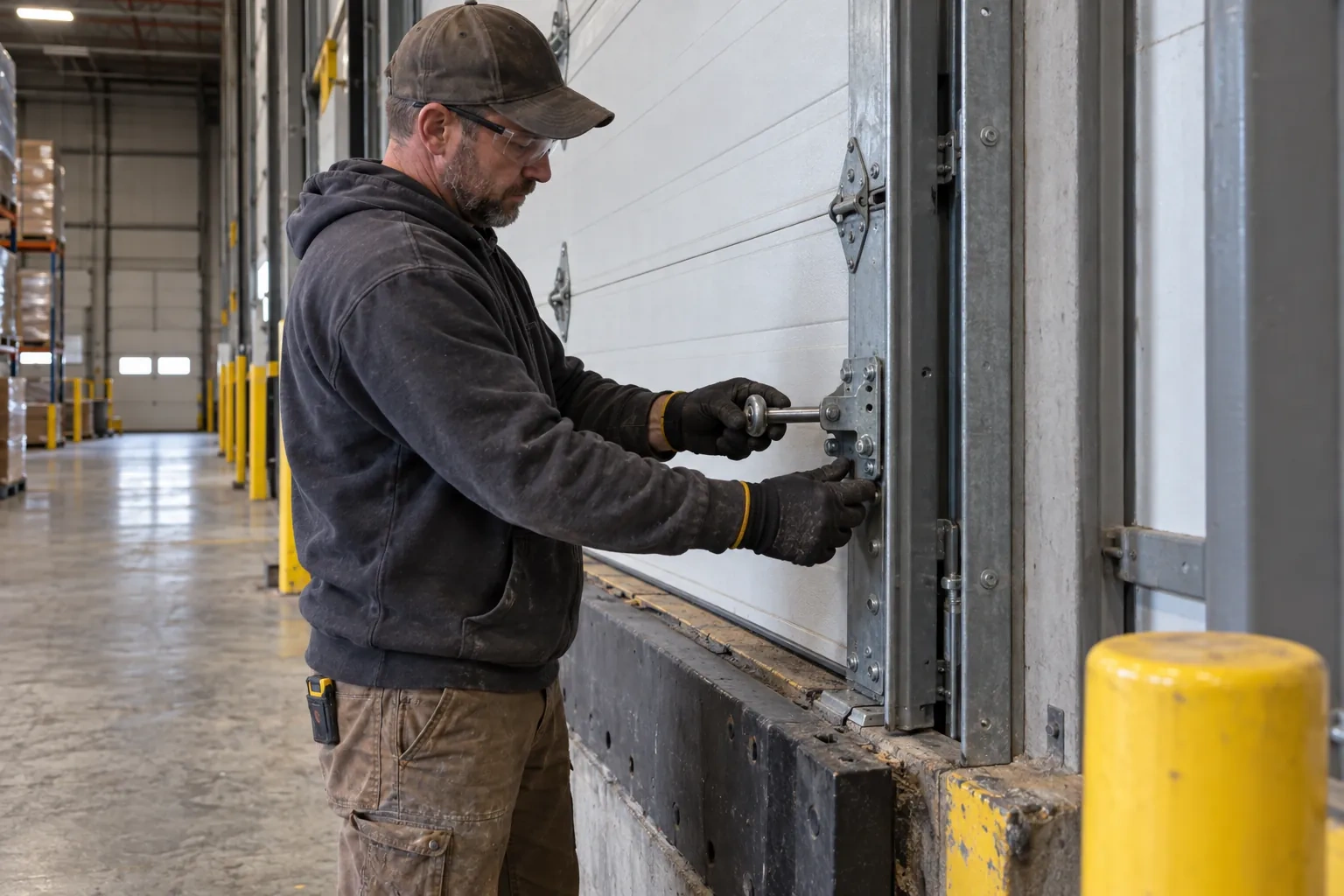
At closing time, the bottom bar reaches the floor on one end while daylight remains under the other. The slide bolts miss their keepers, leaving staff unable to secure the business opening in its usual way.
Storage racks were planned near the ceiling, but the existing tracks and centre-mounted opener divide the only practical zone. The wall above the door appears tall enough to move the turning point upward.
Can one damaged section be replaced without replacing the whole door?
Usually, yes. A sectional door is built from separate sections joined by hinges, so a single creased, rusted or cracked section can be unhinged and exchanged while the others stay in place. The conditions are that a section for your make, model and size is still available and that the rest of the door and its hardware are in good order. When damage spans several sections or the design is discontinued, a full door is compared alongside.
Why does the seal freeze to the floor, and what should I do when it does?
Snow melts off the car, runs to the low point at the door and refreezes overnight around the seal. When that happens, leave the remote alone, since the opener will tear the strip or pull the door out of level. Free the seal by hand with gentle warmth along the line or by working a plastic scraper under it, then run the door. A film of silicone on the seal each autumn largely prevents it.
What can I do before the technician arrives?
Move vehicles out of the garage and clear anything stored against the walls near the tracks so both sides are reachable from floor to ceiling. If it is safe to do so, note where in the travel the noise or hesitation happens and whether any wheel looks chipped, crooked or riding on the track edge. Have the door's make and the date of any spring work handy if you know them. Leave the door as it is; there is no need to lubricate or adjust anything first.
Is the bracket at the bottom corner a hinge too?
No, and it is the one piece of hardware on the door that stays untouched during hinge work. The bottom bracket in each lower corner holds the bottom roller and anchors the lift cable, so it carries spring tension whenever the springs are wound. Many manufacturers fit tamper-resistant fasteners there. Changing a bottom bracket means unloading the springs first, which is a separate job with its own method.
How many turns does a torsion spring need?
As a starting point, roughly one full turn for every foot of door height, so a seven-foot door carries a little over seven turns and an eight-foot door a little over eight. The exact figure depends on the drum size and the spring's rating, so the technician winds to the estimate and then fine-tunes by quarter turns until the hand test passes at every height.
Can any sensor pair be used with my opener?
Not any, no. Sensors are matched to the opener's make and generation, and a board from one era may ignore sensors from another even when the wires fit. The technician reads the model from the head unit label and fits the pair listed for it. Some operators accept a documented universal pair, and those are used where the maker lists them as suitable; on a very old unit with no compatible pair, a modern operator is the way forward.
Can a similar-looking hinge or roller be substituted later?
Appearance is not enough to establish equivalence. Metal thickness, strength, hole pattern, roller stem length, bearing design, and fastener placement can differ in ways that affect both movement and structural performance. Future service should use the door record and applicable component guidance to match parts, preserving the intended arrangement instead of relying on a visual comparison.
How can the installed door be protected during remaining construction?
Keep masonry, paint, plaster, floor coatings and abrasive dust away from sections, seals, tracks and rollers. Other trades should avoid leaning materials against the door or using horizontal tracks for storage or support. Controls can be managed so the system is operated only by authorized project personnel before handover. If protective covering is used, it should avoid trapping moisture or adhesive against the finished surface.
How should we prepare the loading area?
Move vehicles, pallets and loose packaging away from both faces of the opening, and identify an alternate route for staff and deliveries. Provide access to the control station, disconnect and any door records. A facility contact who understands normal operation and can authorise testing makes it easier to reproduce the complaint under controlled conditions.
How is the door tested after conversion?
Testing starts with controlled manual travel. Technicians observe balance at several positions, level movement, roller engagement, cable seating, clearances and transition through the curves. After the mechanical system performs properly, powered cycles verify open and closed limits, operator behaviour, emergency release and applicable protective functions. Fasteners, supports and component records receive a final review before demonstration.
Request a visit
Landlords and property managers in Kawartha Lakes get a written summary after every visit: the address, what was found, what was replaced, and what is likely to need attention next. Tenants get a door that works and remotes that behave. Everyone knows where things stand without a second phone call.